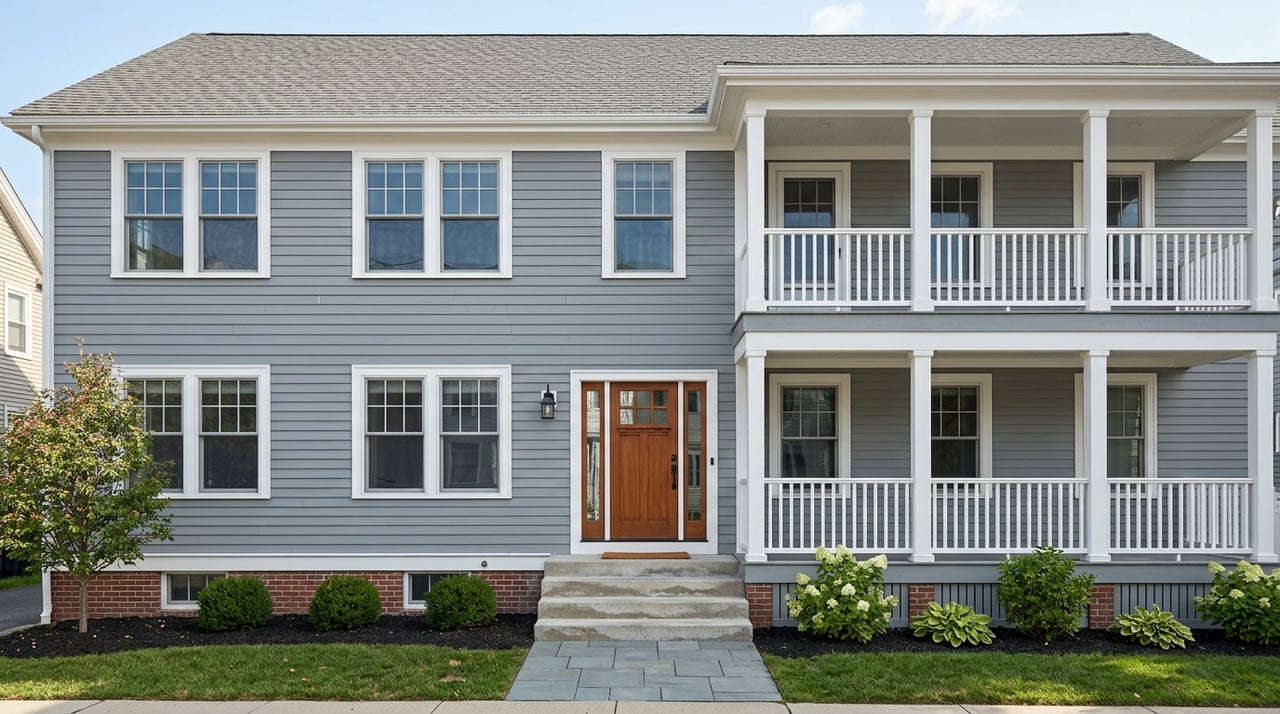
Feeling overwhelmed by everything it takes to sell a home in Longmeadow? You are not alone. Between timing the market, handling Massachusetts paperwork, and getting your house show-ready, the process can feel like a full-time job. This guide gives you a simple plan, clear checklists, and local context so you can sell with less stress and more confidence. Let’s dive in.
Longmeadow market at a glance
As of January 2026, the median sale price in Longmeadow was about $485,000. Typical days on market vary by month and source, with some reports showing faster averages and others showing longer timelines. The lesson is simple. Pricing and preparation should be tailored to your specific neighborhood, property type, and the week you list.
If you want a low-stress experience, start with an evidence-based pricing strategy and a current comparative market analysis. Market conditions change, and accuracy up front saves time and reduces renegotiations later.
Set a sane timeline
Plan 2 to 8 weeks for pre-listing prep. That window covers decluttering, targeted repairs, staging, photography, and gathering required documents. A smaller home in good condition might be ready in a couple of weeks. A larger property or an estate sale may take longer.
From Purchase and Sale to closing, financed deals in Massachusetts often take about 30 to 60 days. Massachusetts is an attorney-closing state, so build time in for attorney review and routine bank and title milestones. Ask your agent and attorney to map dates so you always know what is next.
Massachusetts seller checklist, simplified
Required disclosures and safety certificates
- Lead paint notification for pre-1978 homes. If your house was built before 1978, you must provide the Massachusetts Property Transfer Lead Paint Notification to buyers and share any known lead documents. Review the state’s guidance on the Property Transfer Lead Paint Notification.
- Smoke and carbon monoxide compliance. Most one- and two-family home sales require a smoke and CO detector certificate from your local fire department before closing. Learn the basics of smoke and carbon monoxide alarm requirements.
Septic and Title 5
If your property uses a private septic system, Massachusetts Title 5 rules require an inspection prior to sale or within an allowable look-back period. Weather can affect timing, and repairs or engineering can add weeks, so plan early. See state guidance on buying or selling property with a septic system.
Taxes and fees at closing
Massachusetts charges a deeds excise tax, generally $2.28 per $500 of sale price, which equals $4.56 per $1,000. This is usually a seller expense and is paid when the deed is recorded. You can review the excise standards in the Secretary of the Commonwealth’s registry guidance. You should also budget for prorated property taxes, municipal or recording fees, legal fees, and brokerage commissions per your listing agreement.
Low-stress pre-listing prep that pays off
Start with high-impact basics
- Deep clean, declutter, and depersonalize. You want buyers to see spacious rooms and focus on light, layout, and finishes. This simple step is the fastest way to improve photos and showings.
- Fresh neutral paint. Interior paint is one of the most cost-effective updates and can make an older space feel new again. See data-backed guidance on projects that hold value in Kiplinger’s roundup of home upgrades that pay off.
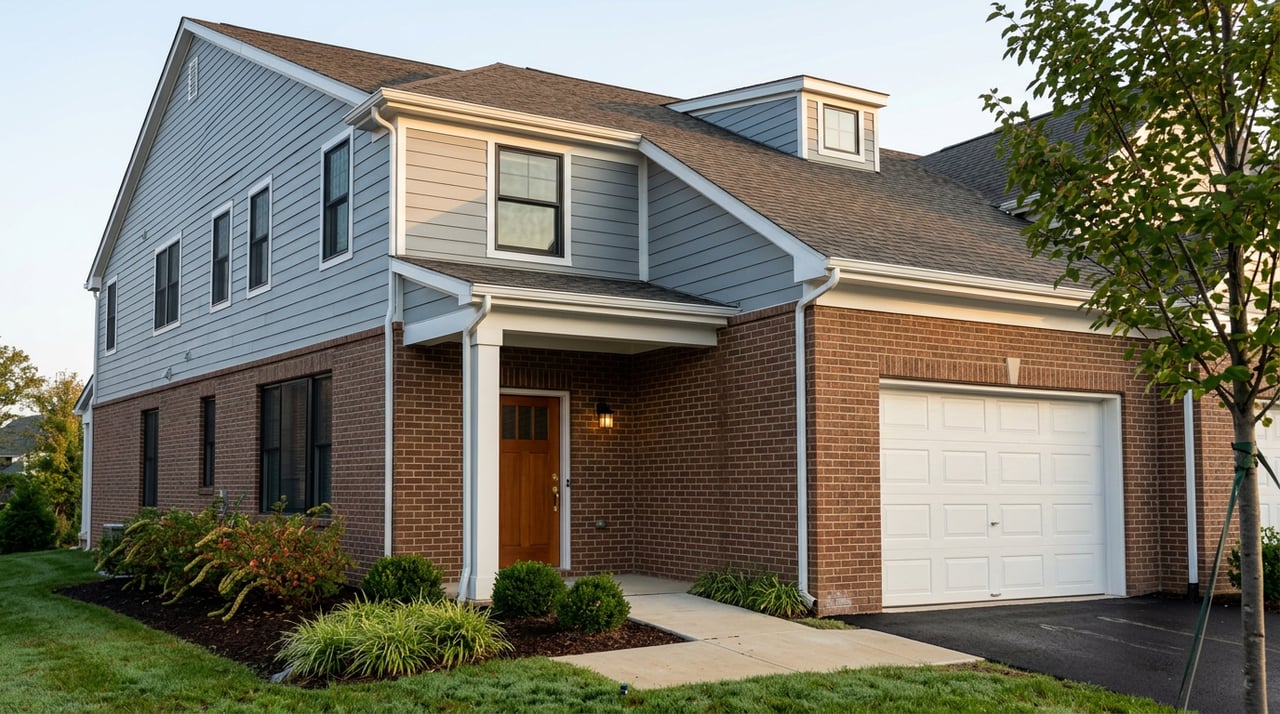
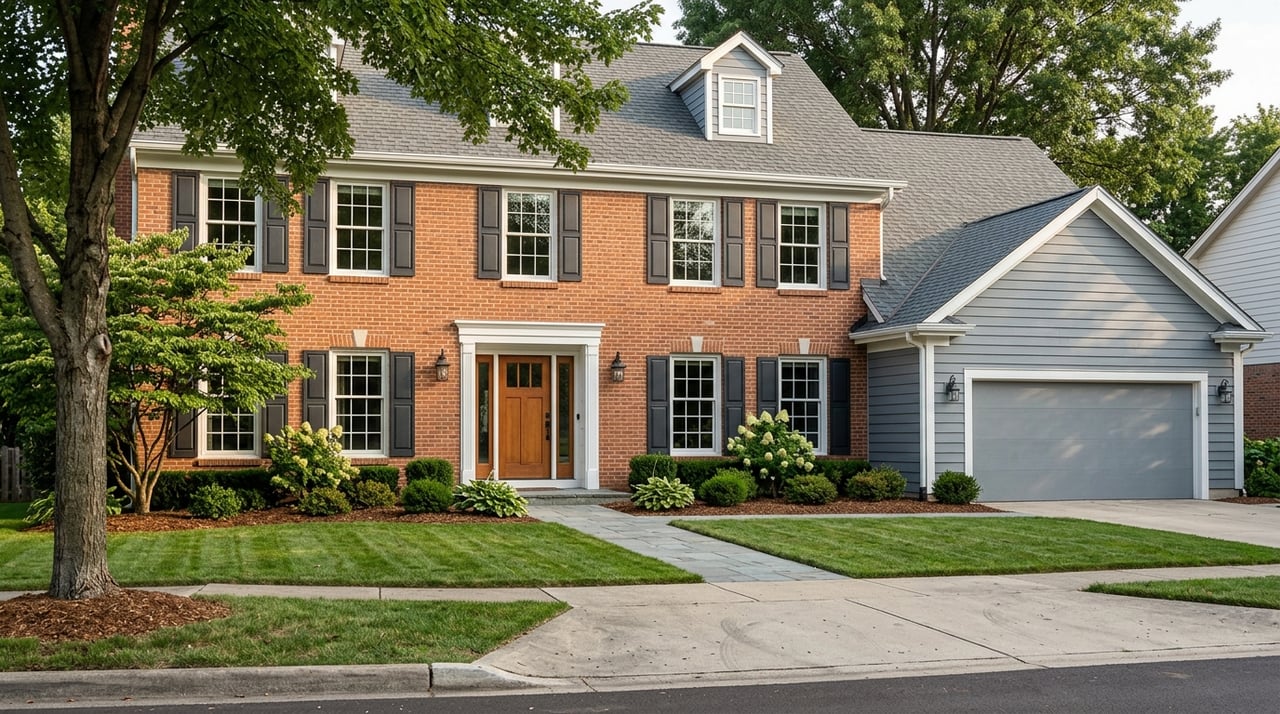
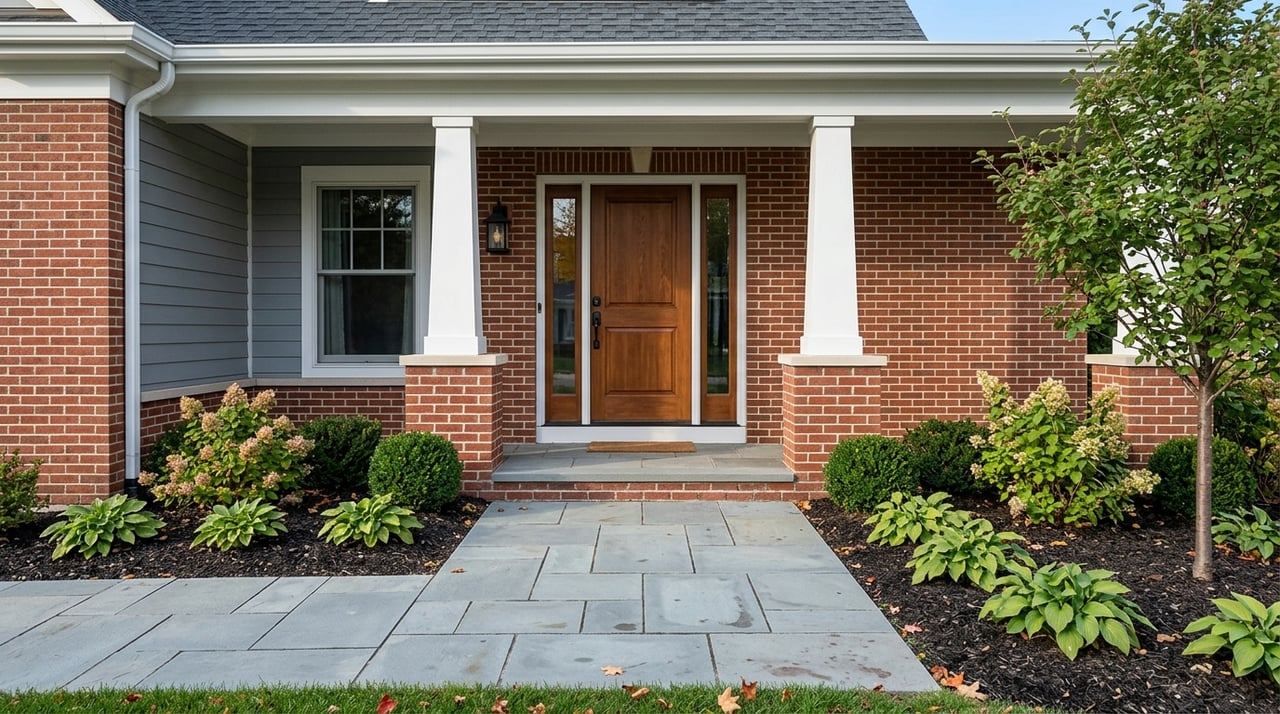
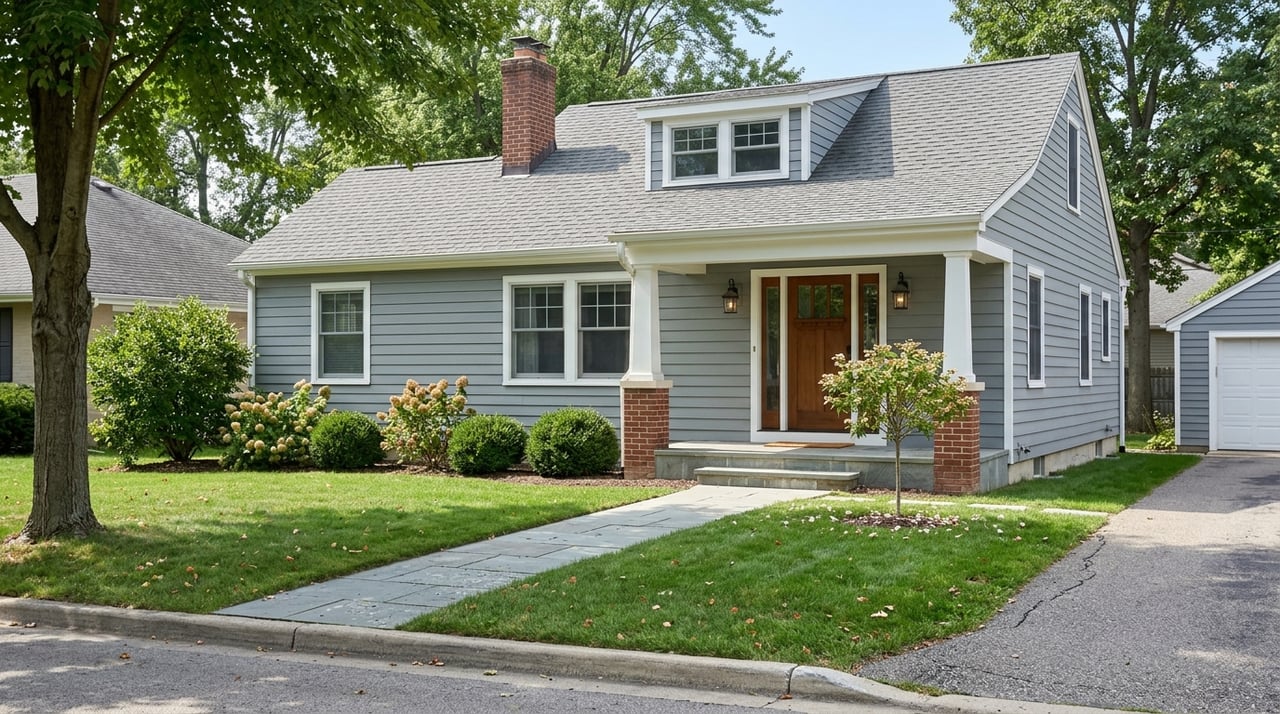
- Curb appeal tune-up. Mow, edge, prune, add seasonal planters, power-wash walkways, and refresh house numbers or the mailbox. Exterior improvements often carry strong perceived value and help your photos pop.
Professional photos and a virtual tour
Online photos are the first showing. Professional images and a simple virtual tour can increase showing traffic and help you earn stronger offers, especially from out-of-area buyers. Book this as soon as your prep work is done so you can launch on time.
Targeted updates only where it counts
If your kitchen or baths feel dated, consider small refreshes such as new cabinet hardware, updated lighting, refinished cabinets, or a modest counter update. Minor projects often recoup a large share of cost and boost buyer confidence. For perspective, review the value trends in Kiplinger’s guide to high-ROI home improvements.
Head off inspection surprises
Consider a seller-ordered pre-listing inspection. According to the American Society of Home Inspectors, a pre-inspection helps you discover issues early, prioritize repairs, and streamline negotiations. Learn more about why sellers choose this step from ASHI’s overview on pre-listing inspections. If you do a pre-inspection, remember you will need to disclose known defects.
Staging that fits your budget
Staging helps buyers visualize how rooms function and can reduce time on market. The National Association of REALTORS reports that many agents see faster sales and stronger offers when key rooms are staged. Explore the research in NAR’s Profile of Home Staging. Staging costs vary by house size and scope. Many sellers spend a few thousand dollars, while selective staging for occupied homes may cost less. For context on budgets and value, see this breakdown of staging cost vs. increased sale price.
A calm 4-week prep plan
Here is a simple four-week roadmap you can adapt to your home and schedule.
Week 1: Strategy and assessment
- Meet with your agent to review pricing, timeline, and your goals.
- Book a pre-listing inspection if you plan to do one.
- Gather paperwork, including any lead paint records for pre-1978 homes and utility or service histories.
- Schedule painter, landscaper, handyman, photographer, and stager as needed.
Week 2: Quick wins
- Declutter, deep clean, and start interior touch-ups or painting.
- Handle curb appeal: mow, edge, prune, and add planters.
- Order any safety items you need for smoke and CO compliance, then schedule your local fire department inspection for the right time.
Week 3: Finishing touches and media
- Complete small repairs and selective refreshes in the kitchen or baths.
- Stager installs or updates furnishings in key rooms.
- Professional photography and a virtual tour capture your finished look.
Week 4: Launch
- Final tidy and showing preparations.
- Listing goes live with a pricing strategy designed to attract the right buyer pool.
- Showings begin and feedback is reviewed to adjust if needed.
Many sellers prefer to hand off most of this timeline to a full-service team so they can focus on daily life. A transaction coordinator can track documents, dates, and contingencies from the moment your Purchase and Sale is signed to the day you close. That support keeps everyone aligned and reduces last-minute scrambling.
Marketing, showings, and your team
What a full-service REALTOR does for you
- Pricing and CMA. Your agent analyzes recent sales and market momentum so your list price is both competitive and strategic.
- Vendor coordination. Get vetted stagers, photographers, handymen, organizers, and movers without cold-calling.
- Marketing. MLS entry, professional photos, virtual tour, and targeted promotion that reaches qualified buyers.
- Offer management. Your agent vets terms beyond price, including closing date, rent-backs, and key contingencies, then negotiates to your advantage.
- Showings and safety. Your team controls access and collects feedback so you can keep life running smoothly.
Why a transaction coordinator lowers stress
A transaction coordinator manages the paperwork, deadlines, and communication between parties after your offer is accepted. They schedule inspections, track contingency dates, share updates with attorneys and lenders, and keep documents organized. That structure shortens your to-do list and helps your closing stay on time.
Attorneys are standard in Massachusetts
Sellers typically work with an attorney who reviews the Purchase and Sale, handles deed and closing documents, and coordinates the signing. Ask your agent to recommend local attorneys who communicate clearly and work well within your target timeline.
Plan your move without panic
- Sell first, then buy. You know your net proceeds, which strengthens your next purchase. If you need time to find or move into your new home, negotiate a short rent-back in your Purchase and Sale.
- Buy first, then sell. You move at your own pace, but you will need to qualify for two mortgages or secure bridge financing or a HELOC. Discuss options with your lender.
- Contingent offers. In competitive moments, sellers prefer fewer strings. If you use a home sale contingency, make the timeline clear and lean on your agent and attorney for strong language.
- Downsizing tips. Start early. Inventory what goes with you, sell or donate the rest, book movers and storage, and consider a professional organizer or estate sale partner to keep the process manageable.
Health and safety note: Radon
Radon is a naturally occurring gas that can be present in any home. The EPA advises that all homes can be tested and that county radon zone maps are only a screening tool. If you want to be proactive, consider testing before you list so you can address questions with data. Learn more from the EPA’s radon guidance and maps.
Ready to get started?
You deserve a calmer sale and a clear plan. With education-first guidance, vetted vendors, and a transaction coordinator handling the details, you can keep living your life while your home changes hands. If you are considering a move in Longmeadow, connect with Suzi Buzzee for a step-by-step plan and your free home valuation.
FAQs
How long does it take to sell a home in Longmeadow?
- Timing varies by season and price point. As of January 2026, some sources showed a median around four weeks on market, while others showed longer averages. Your actual timeline depends on pricing, condition, and current inventory, so ask your agent for a fresh CMA.
What paperwork and inspections are required to sell in Massachusetts?
- Common items include the Property Transfer Lead Paint Notification for pre-1978 homes, a smoke and carbon monoxide detector compliance certificate from the fire department, and a Title 5 septic inspection if the home has a private system. Closing typically involves an attorney who prepares and reviews documents.
How much is the Massachusetts deeds excise tax for sellers?
- The deeds excise is generally $2.28 per $500 of sale price, which equals $4.56 per $1,000. See the state’s registry guidance for details on the deeds excise standard.
Is staging worth it when selling in Longmeadow?
- Often yes. NAR reports that staging helps buyers visualize a property, can reduce time on market, and may increase offer amounts. Start with high-impact rooms such as the living room, kitchen, and the primary bedroom. Review NAR’s staging insights here.
Should I order a pre-listing inspection?
- It is optional, but many sellers find it helpful to identify issues early and avoid surprise negotiations later. If you do a pre-inspection, you will need to disclose known defects. See ASHI’s overview of pre-listing inspections.
What is a transaction coordinator and do I need one?
- A transaction coordinator tracks deadlines and documents from contract to close. They schedule inspections, monitor contingencies, share updates with attorneys and lenders, and keep everyone aligned. If you prefer a hands-off experience, this role can lower stress and reduce delays.