Thinking about buying a duplex or three-family in Springfield? You are not alone. Small multifamily properties are a familiar part of Springfield’s housing market, but getting started takes more than spotting a building with extra units and hoping the rent will cover everything. If you want a clearer way to evaluate the opportunity, this guide will walk you through the local market, the numbers that matter, and the risks to plan for before you buy. Let’s dive in.
Why Springfield Fits Multi Family Investing
Springfield is a practical place to learn small multifamily investing because the city has a large renter base and relatively modest housing values compared with many other Massachusetts markets. According to the U.S. Census QuickFacts for Springfield, the city had 154,888 residents in 2024, a 49.6% owner-occupied housing unit rate, a median household income of $52,656, a median gross rent of $1,144, and a median value of owner-occupied homes of $245,000.
Those numbers tell you something important. Demand for rental housing is real, but affordability matters. That means successful investing in Springfield usually depends on buying carefully, setting realistic rent expectations, and leaving room in your budget for repairs and vacancies.
Small Multifamily Is Common Here
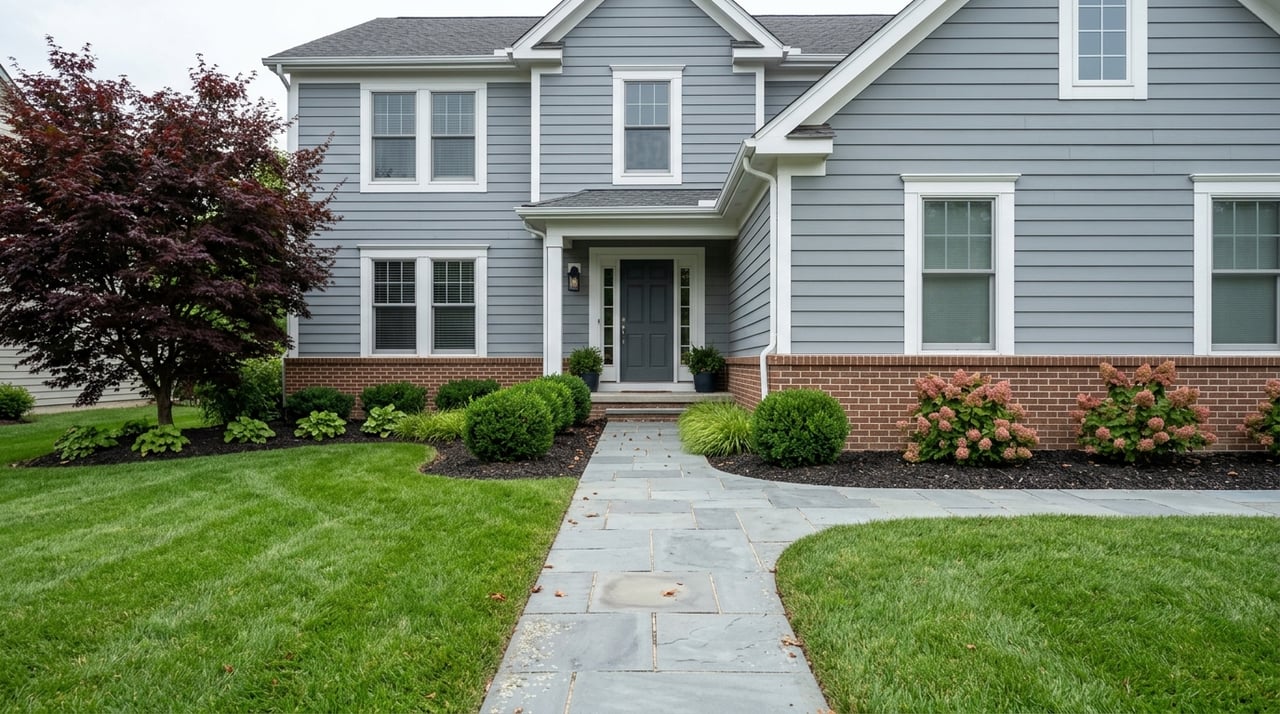
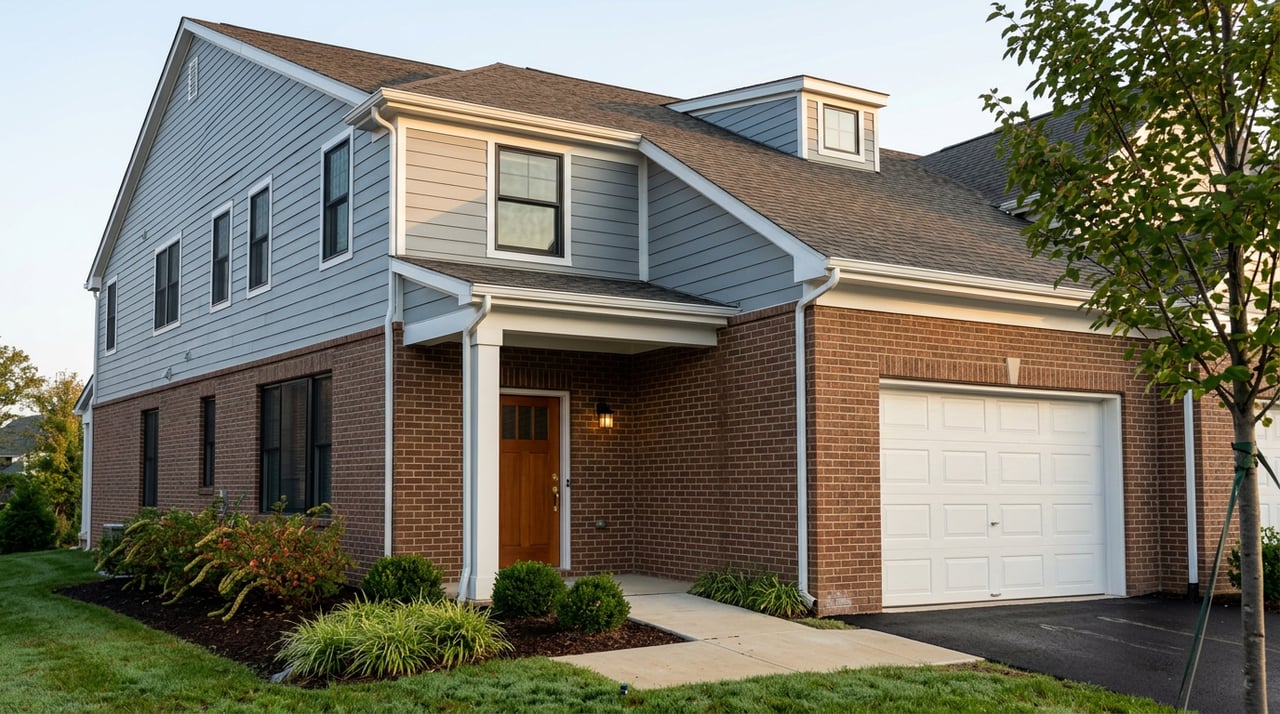
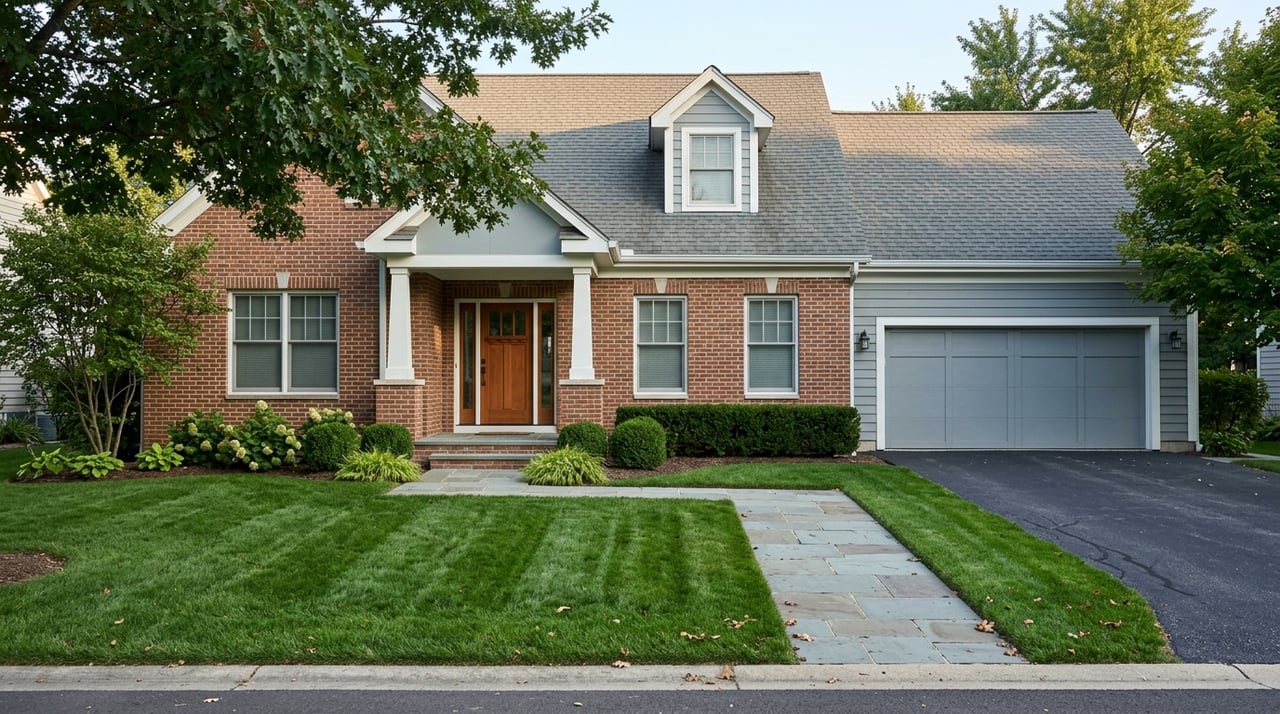
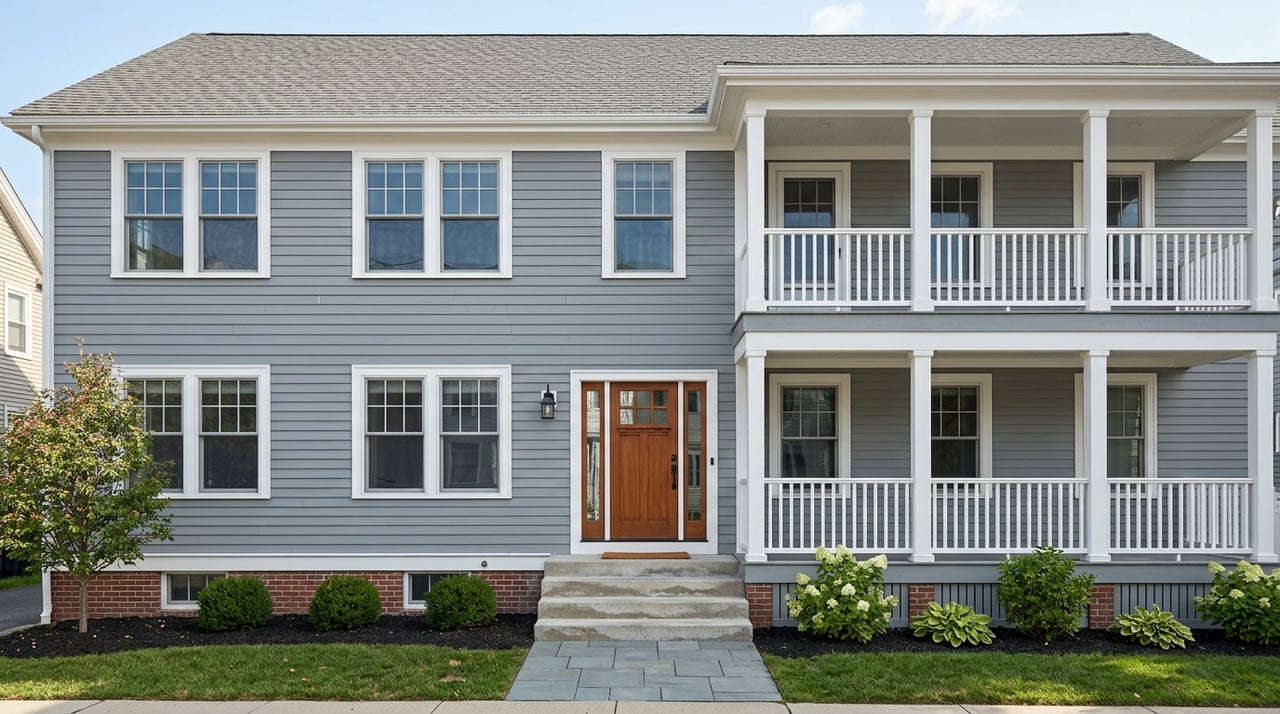
In Springfield, duplexes, triple-deckers, and other small multifamily buildings are not unusual property types. They are a normal part of the local housing mix. The city’s 2020 Consolidated Plan reported that 2- to 4-unit buildings made up 30% of the housing stock.
That matters if you are new to investing. In some markets, small multifamily can feel niche or hard to find. In Springfield, it is a familiar housing type, which can create more opportunities for both owner-occupants and investors looking for steady, smaller-scale properties.
What Properties You Will Likely See
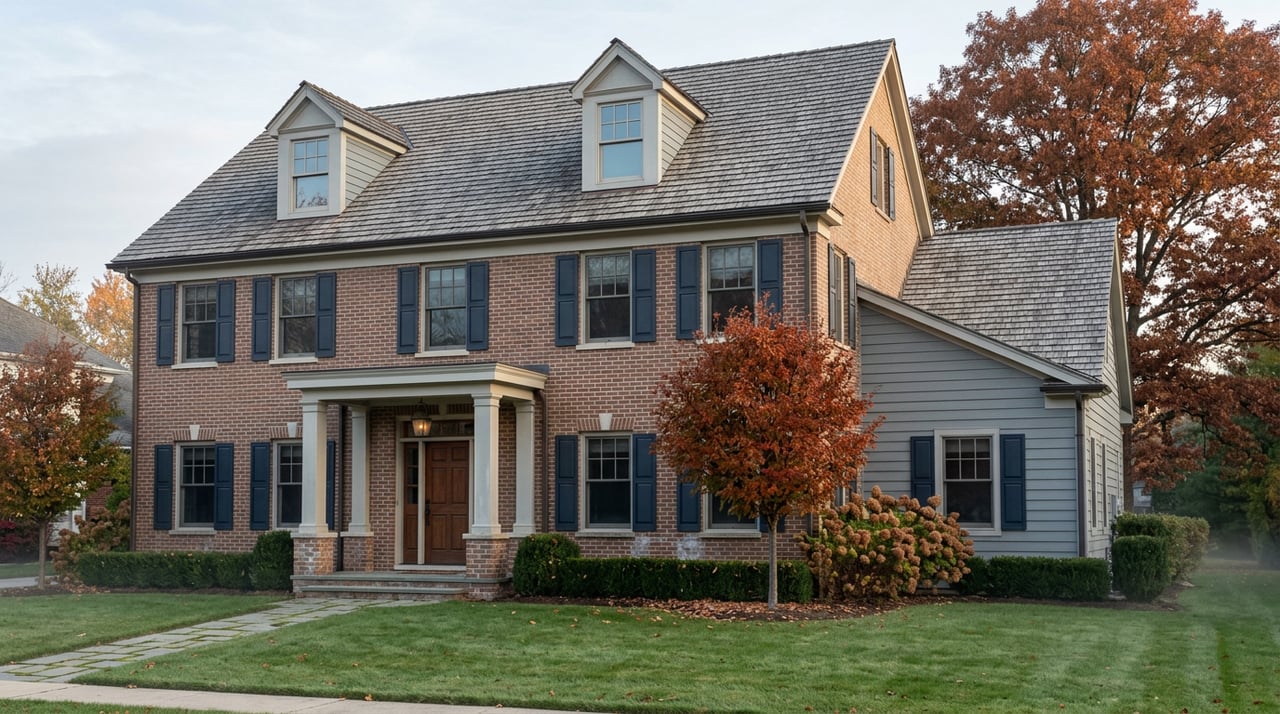
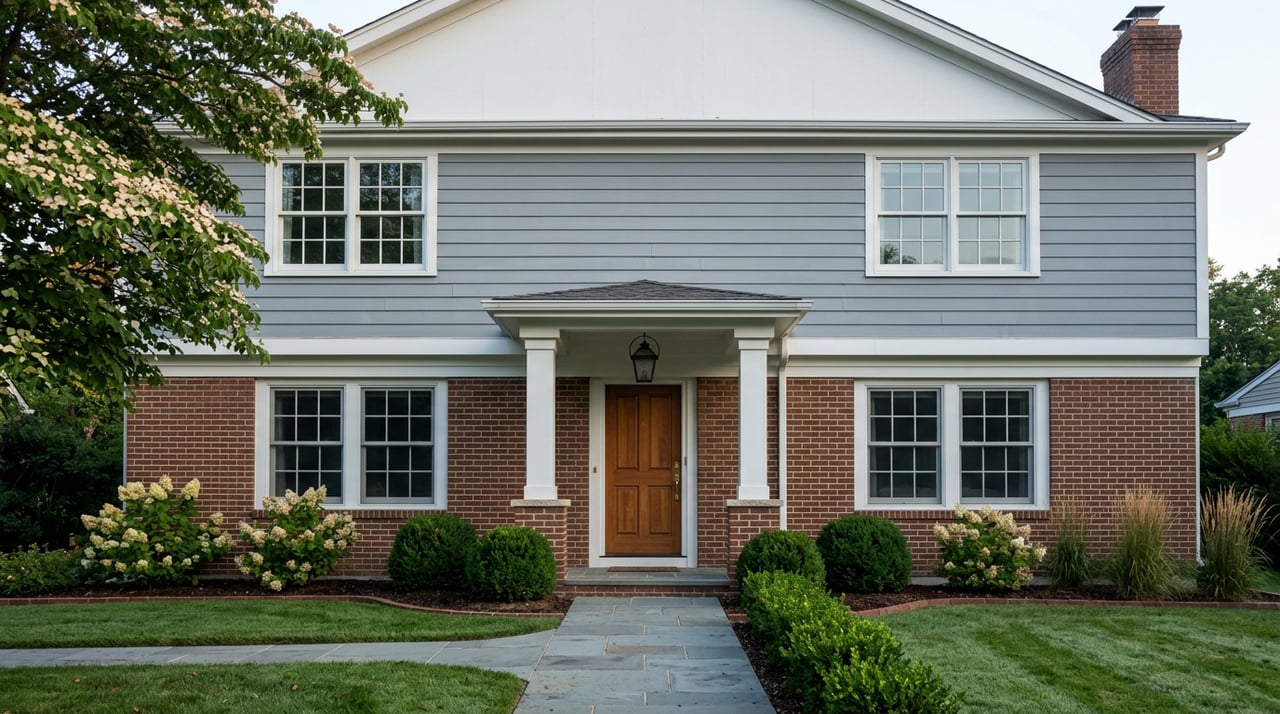
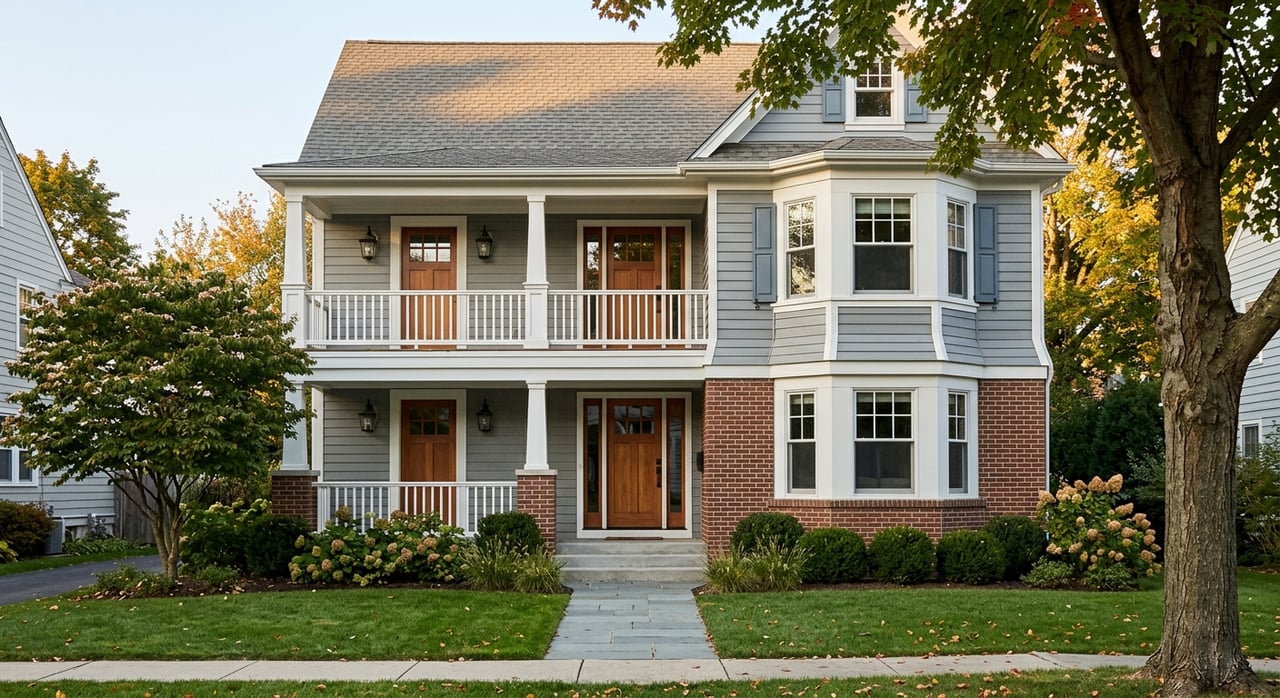
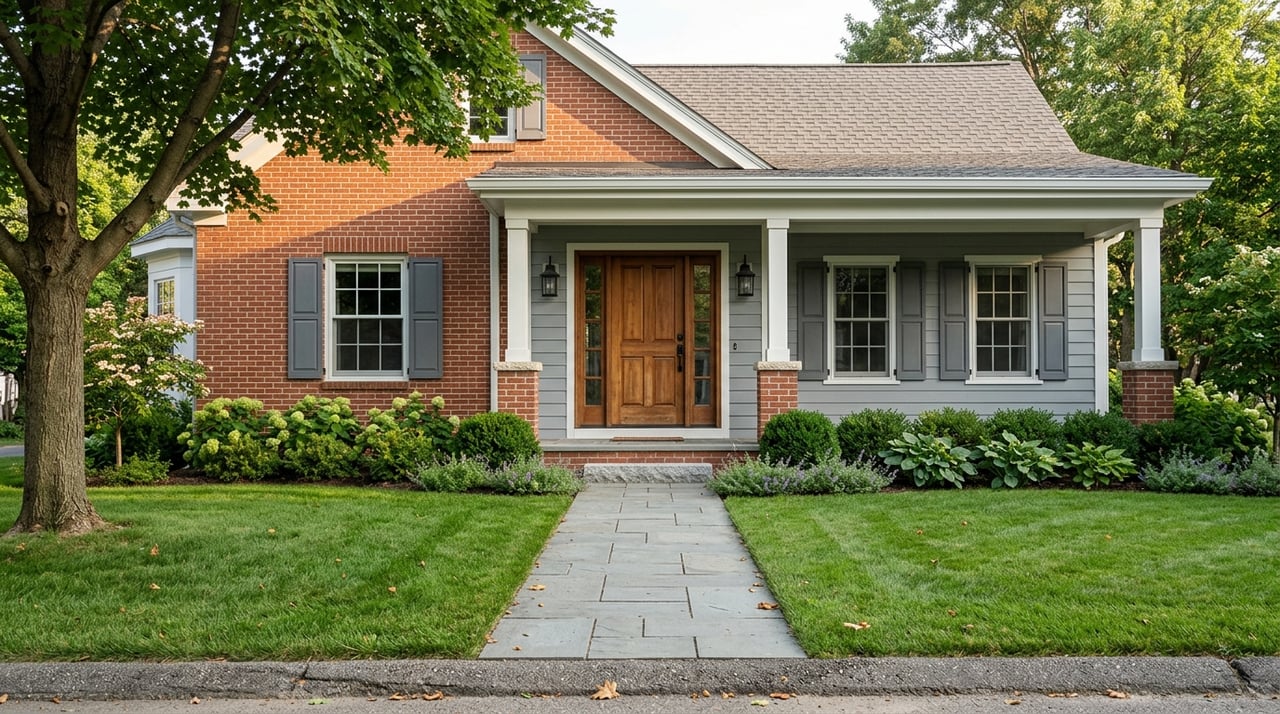
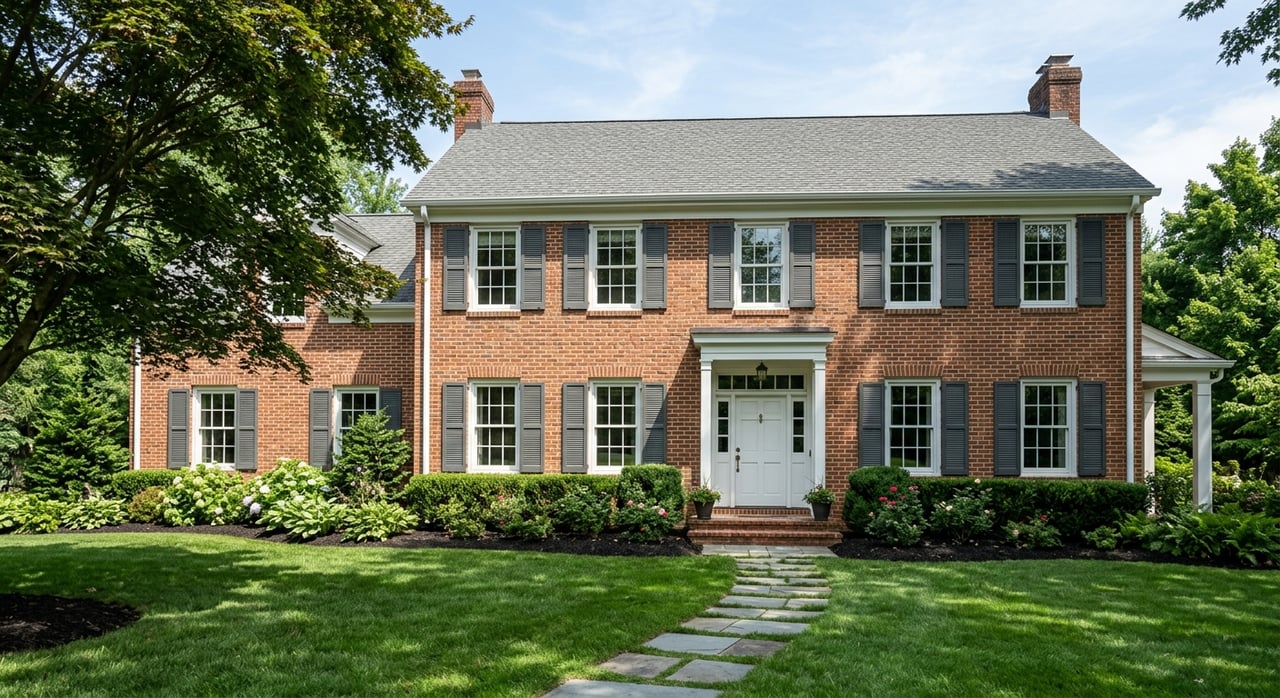
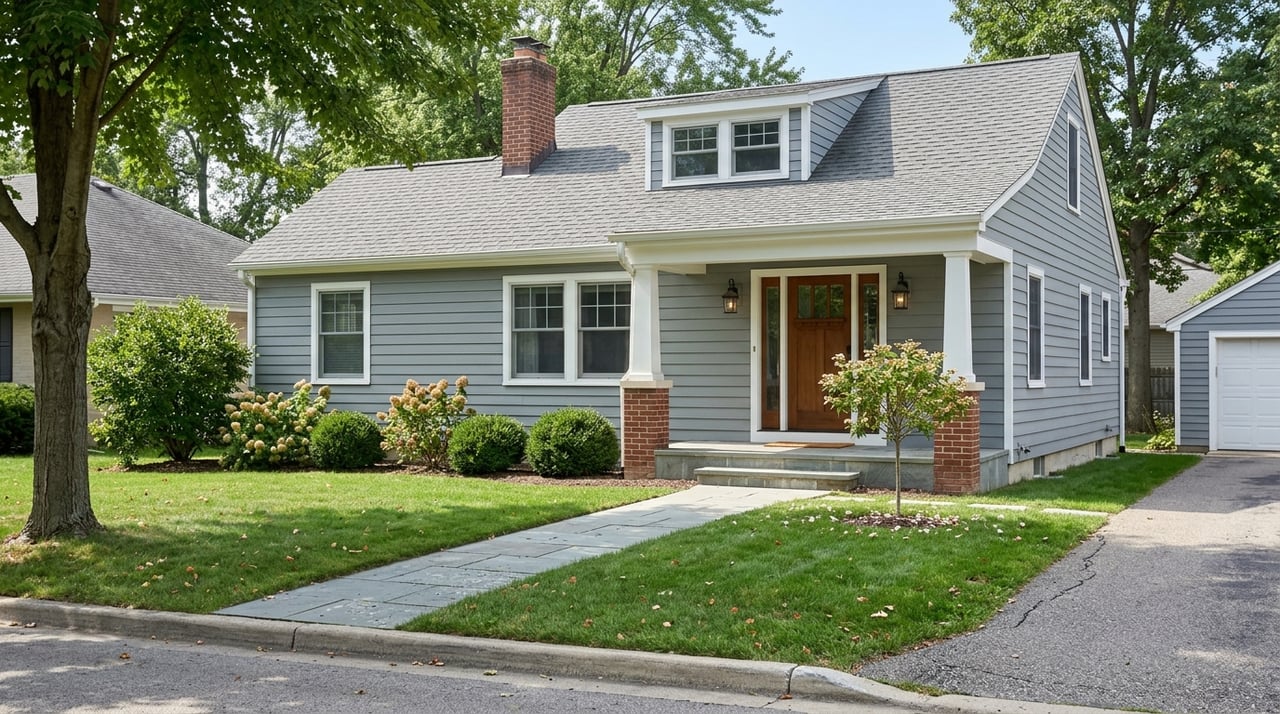
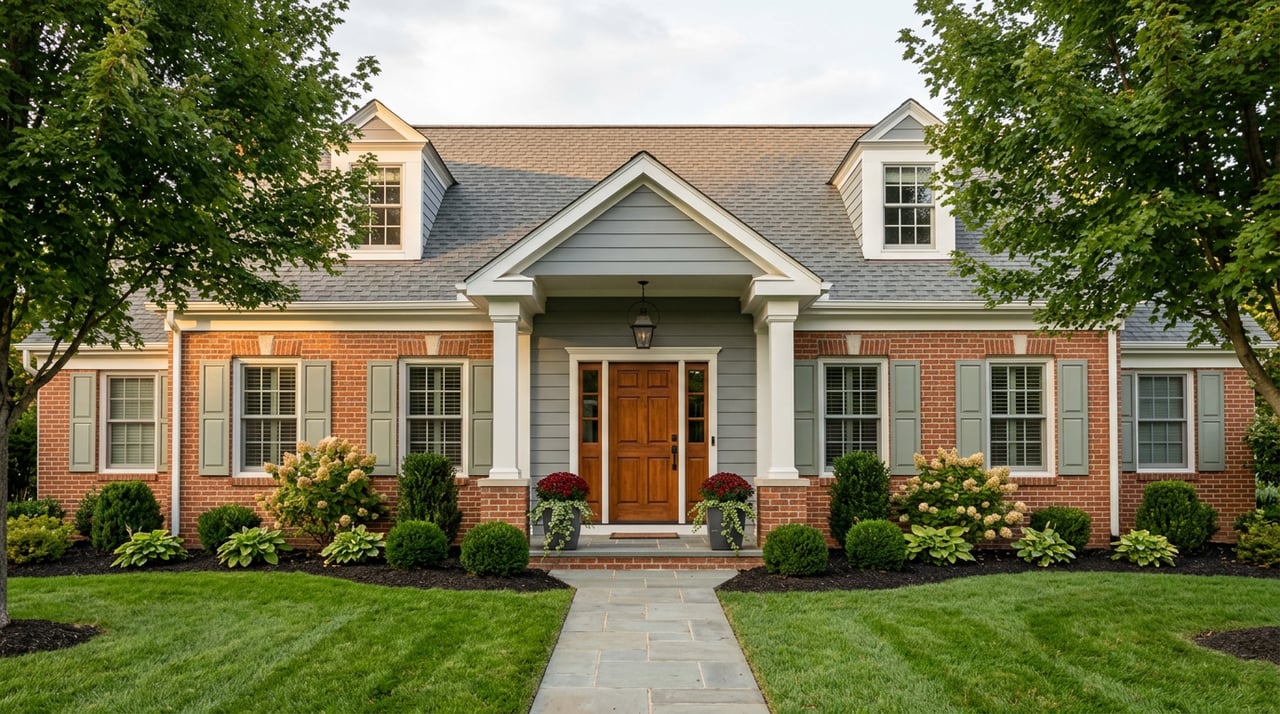
Most first-time multifamily buyers in Springfield will be looking at older duplexes, three-family homes, and small walk-up buildings. Springfield’s identity as the City of Homes reflects its older housing stock, historic architecture, and long-established neighborhood fabric.
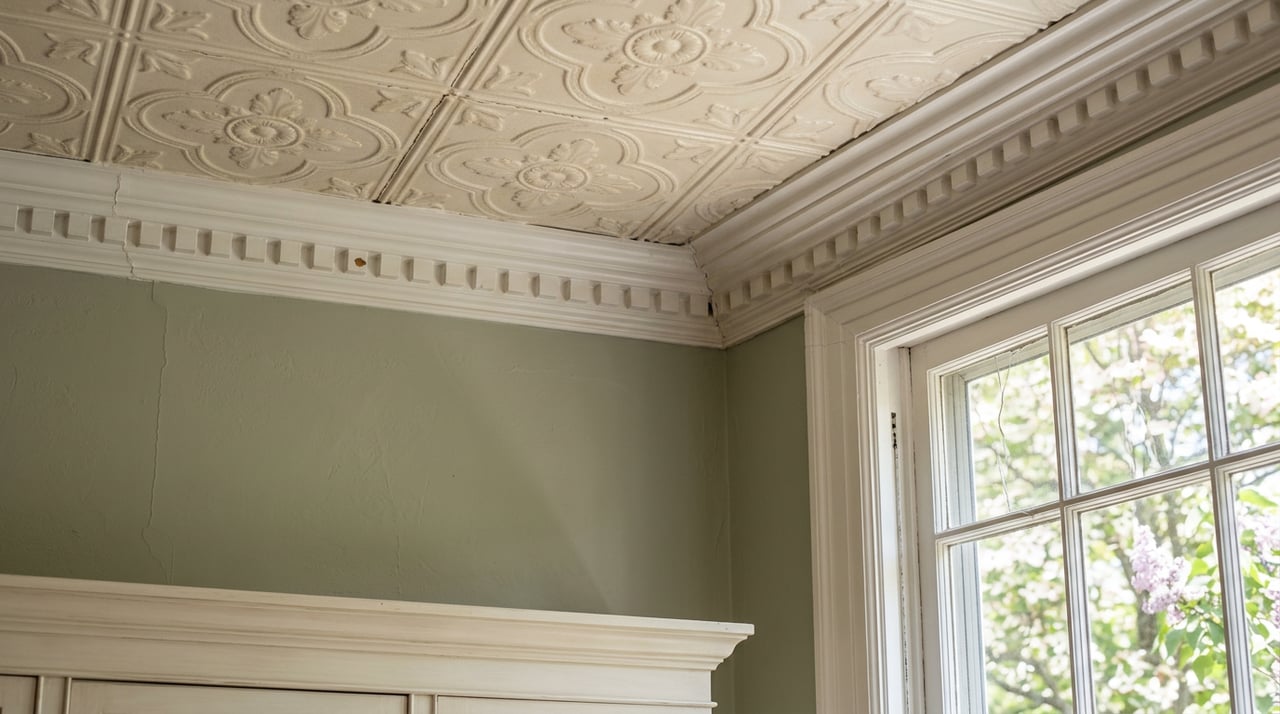
That older character can be part of the appeal, but it also comes with responsibility. The city’s housing studies show that a large share of homes were built decades ago, which means many properties need more careful review than a newer building in a suburban setting.
Age Matters More Than You Think
If you are buying multifamily in Springfield, the age of the building should be one of your first filters. The city’s 2018 housing study said 41% of units were built before 1940, and the 2020 Consolidated Plan said 53% of units were built before 1950.
In plain terms, many Springfield multifamily properties are older assets. You may need to budget for roofing, porches, windows, plumbing, electrical work, and interior updates over time. A property can still be a good investment, but only if your numbers account for the building’s age and likely repair cycle.
Start With Conservative Rent Estimates
One of the biggest mistakes new investors make is overestimating rent. Springfield has seen tight rental conditions in recent years, but the city’s 2024 HOME-ARP amendment noted that after a sharp run-up in rents, availability had improved by 2024 and rents were leveling off.
That is a good reminder to stay grounded. When you underwrite a deal, use current, supportable rents rather than assuming big future increases. Citywide optimism is not a strategy.
Local Rent Benchmarks
A helpful benchmark comes from the 2025 Springfield MSA Fair Market Rent schedule from MassHousing. It lists these rent figures:
- Studio: $1,044
- 1-bedroom: $1,205
- 2-bedroom: $1,496
- 3-bedroom: $1,823
- 4-bedroom: $2,037
These are not guarantees of what your property will rent for. They are better used as a reference point while you compare actual unit size, condition, and location.
Know the Main Expenses
Rent is only half the story. To understand whether a Springfield multifamily property works, you need to subtract the costs of operating it.
Your review should include:
- Vacancy and credit loss
- Property taxes
- Insurance
- Repairs and maintenance
- Utilities you may pay as owner
- Property management, if applicable
- Capital reserves for larger future repairs
Springfield property taxes are a meaningful part of the budget. The city’s FY26 tax-rate announcement said the recommended residential rate was $15.46 per $1,000 of valuation, and Springfield uses quarterly tax billing. That means both your annual tax load and your cash-flow timing deserve attention.
Why Reserves Matter Here
Because Springfield has so much older housing stock, reserve planning is especially important. The city’s housing studies connect older homes with higher repair needs and potential lead-paint risk. A Springfield duplex may offer value-add potential, but it is rarely a set-it-and-forget-it property.
If your budget only works when nothing goes wrong, the numbers probably are not strong enough yet. A better plan is to build in room for phased repairs and normal surprises.
A Simple Way to Evaluate a Deal
You do not need a complicated spreadsheet to get started, but you do need a clear process. A basic framework can help you compare one property to another without getting distracted by cosmetic upgrades or best-case assumptions.
Step 1: Estimate Gross Rent
Start with realistic rent for each unit based on bedroom count, condition, and current market evidence. Use benchmarks carefully and avoid assuming top-of-market rents unless the property truly supports them.
Step 2: Subtract Vacancy
Even strong rental markets have turnover, missed payments, or leasing delays. Springfield’s recent market conditions support a cautious approach rather than assuming every unit will stay full at all times.
Step 3: Subtract Operating Costs
Include taxes, insurance, repairs, maintenance, utilities, and management if needed. Then add a real capital reserve for larger items that may come up over time.
Step 4: Stress-Test the Numbers
Ask yourself what happens if rents come in lower than expected, repairs cost more, or one unit sits vacant longer than planned. A deal that still looks reasonable under pressure is usually safer than one that only works on paper.
Check Legal and Property Details Early
Before you get too far into a purchase, verify the legal and physical status of the building. This includes zoning, unit count, property use, and whether any special review or district rules may apply.
Springfield notes that some areas have historic review considerations, and the city also highlights its Housing Development Incentive Program. Even if a property looks straightforward, early verification can help you avoid costly surprises later.
House Hacking Can Be a Smart Entry Point
If you plan to live in one unit and rent the others, Springfield offers a realistic setting for house hacking. This can lower your housing costs while giving you hands-on experience as an owner.
The city’s homebuyer assistance program may also help some income-qualified first-time buyers purchasing a 1- to 4-unit primary residence, with assistance ranging from $7,500 to $35,000. For the right buyer, that can make a duplex or three-family purchase more reachable.
Rehab Help for Owner-Occupants
If you buy and live in a 1- to 4-unit property, Springfield’s Emergency Home Repair Program is another local detail worth knowing. The program offers a 0% interest deferred-payment loan for eligible owner-occupants, and it may be forgiven over five years if the home remains your principal residence.
Programs like this do not remove the need for a careful inspection or a solid budget. Still, they can make an older multifamily property more manageable for an owner-occupant who is planning repairs thoughtfully.
What Makes Springfield Attractive
Springfield’s appeal for small multifamily investing comes from a clear mix of factors. The city has real rental demand, a large base of small multifamily housing, relatively moderate home values, and public programs that support housing improvement and supply.
At the same time, this is not a market where loose assumptions usually end well. Older buildings, maintenance needs, taxes, and repair costs all make discipline important. If you buy well, budget carefully, and stay realistic, Springfield can be a strong place to begin or grow your multifamily portfolio.
If you want help sorting through Springfield duplexes, triple-deckers, or owner-occupied multifamily options, Suzi Buzzee offers the calm, education-first guidance that helps you make smart moves without unnecessary stress.
FAQs
What types of multi family properties are common in Springfield, MA?
- In Springfield, small multifamily properties such as duplexes, three-family homes, and other 2- to 4-unit buildings are common and make up a meaningful part of the local housing stock.
What should you budget for when buying a Springfield multi family property?
- You should budget for vacancy, property taxes, insurance, maintenance, utilities, and strong capital reserves, especially because many Springfield properties are older and may need phased repairs.
Is Springfield, MA a good place for first-time multi family investors?
- Springfield can be a practical market for first-time investors because small multifamily housing is common and home values are relatively moderate, but success depends on conservative underwriting and careful property review.
Can you house hack a duplex or three-family in Springfield, MA?
- Yes, Springfield can be a realistic place to house hack, and some income-qualified first-time buyers may be eligible for local down payment assistance on a 1- to 4-unit primary residence.
Why is building age so important for Springfield multi family investing?
- Building age matters because a large share of Springfield’s housing stock was built before 1950, which can mean higher repair needs, older systems, and more need for reserves during ownership.