Dreaming of a home with more elbow room in Southampton? Extra acreage can be a real draw, but in this town, land is not always as simple as it looks on a listing. If you are hoping for gardens, a barn, a future addition, or just more privacy, it helps to understand how zoning, access, wetlands, and septic can shape what that land actually does for you. Let’s dive in.
Why Southampton land feels different
Southampton’s zoning is designed to maintain the town’s agricultural and rural character and conserve natural resources. The town’s Conservation Commission also stewards more than 600 acres of conservation properties, which gives you a sense of how closely land use and stewardship are tied together here.
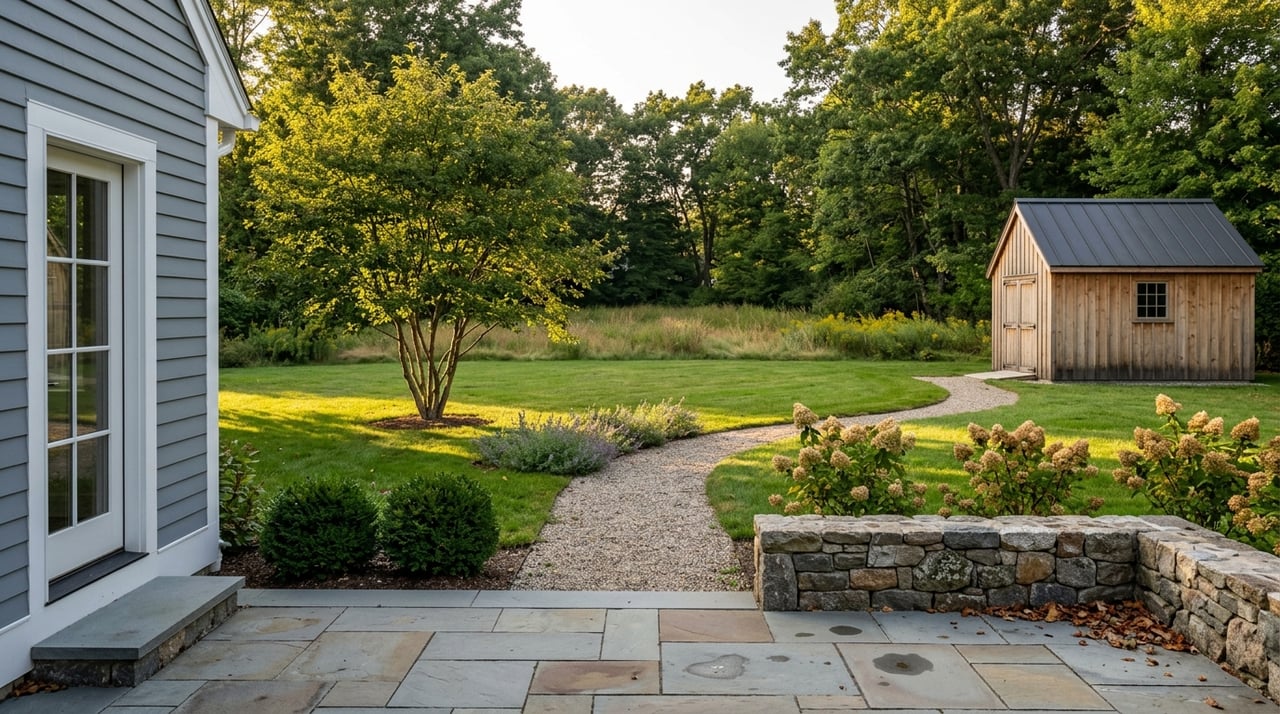
That means buying a home with land in Southampton often involves more than picking out a large backyard. You may be looking at woods, natural edges, drainage areas, or protected features that affect how the property can be used over time.
How lot size works in Southampton
A big number on a listing sheet can be helpful, but it does not tell the whole story. Southampton already has relatively large residential lot minimums in many districts, including 60,000 square feet in R-R, 40,000 square feet in R-N, and 30,000 square feet in R-V.
In plain terms, a lot can sound expansive and still be typical for the area. That is why it is smart to look past total acreage and ask how much of the land is actually usable for your goals.
Open space is not the same as acreage
Southampton defines open space broadly, but driveways and parking lots do not count. So if a property has a long driveway or a large parking area, the site may feel smaller in practice than the acreage suggests.
This matters if you are picturing outdoor entertaining, gardening, play space, outbuildings, or room for future improvements. What looks generous on paper may have a more limited functional footprint.
What acreage really means on the ground
One of the most important things to know is that not all land counts the same way under the bylaw. Southampton says minimum lot area does not include permanent water bodies, bordering vegetated wetlands, public ways, or private ways and rights-of-way with public vehicle access.
The bylaw also says the required lot area must be contiguous and cannot be made up mostly of steep slope under the town’s slope test. So a parcel can be large while still offering less buildable or usable space than you expect.
Buildable land matters more than total land
If you are buying with specific plans in mind, focus on the part of the lot that can realistically support them. A future garden, garage, barn, or addition may depend more on topography, wetlands, and layout than on the total acreage listed.
This is where local due diligence becomes critical. In Southampton, usable acreage matters more than headline acreage.
Frontage and access can change everything
Frontage is not just a technical detail. Southampton requires frontage to provide practicable access to the buildable portion of the lot, and the lot still has to meet frontage standards for its zoning district.
If you want a home set farther back from the road, or you are thinking about a future outbuilding or lot split, the shape of the lot matters just as much as the amount of land. A narrow parcel, awkward access point, or unusual frontage can affect what is possible.
Shared driveways need extra attention
Southampton allows common driveways for residential uses by special permit. The town is not responsible for building or maintaining them, and shared owners must handle repairs and maintenance through recorded covenants.
If a property has a flag-lot layout, a long private drive, or shared access with another home, ask detailed questions early. You will want to understand maintenance responsibility, legal access, and how that setup could affect your plans.
Overlays and permits can limit use
Some of the most important restrictions are not obvious when you first walk a property. Southampton’s Floodplain Overlay District requires permits for a wide range of work, including new construction, changes to existing buildings, fences, sheds, storage facilities, drilling, mining, and paving.
That means land that looks wide open may still come with meaningful limits if it sits in or near a flood-prone area. Depending on the project, reviews may involve the Planning Board, Board of Health, and Conservation Commission.
Water supply rules may affect workshops or storage
Southampton’s Water Supply Protection District includes primary recharge areas and the Manhan Reservoir watershed. In that district, the town restricts certain uses that could threaten water quality, including hazardous-material businesses, car washes, auto repair, outdoor storage of pesticides or herbicides, and some dumping or disposal practices.
For buyers considering a workshop, equipment storage, or hobby-style land use, this is important to review up front. The lot may be large, but the allowed uses may be narrower than you expect.
Accessory apartments have specific rules
If you are hoping a larger lot could support multigenerational living or added flexibility, Southampton does allow accessory apartments, but the rules are specific. Detached accessory apartments require a special permit, while attached units require site plan approval.
The owner must occupy one of the units, and the accessory apartment is limited to 600 square feet and one bedroom. On septic-served properties, a disposal works construction permit is also required before the apartment permit is issued.
This does not mean the option is off the table. It simply means you should verify zoning and site conditions before assuming extra land creates an easy path.
Septic and water should be top priorities
On land-heavy properties, septic and water questions deserve your attention early in the process. The Southampton Board of Health has local regulations for on-lot septic systems, and the town provides applications for Title V inspections, percolation tests, disposal-system construction permits, and well construction or closure permits.
Massachusetts also generally requires a septic inspection within two years before a sale, with limited exceptions. For you as a buyer, that makes septic due diligence a core part of evaluating the property.
Land does not reduce maintenance
It is easy to think more land means more freedom with fewer tradeoffs. In reality, larger properties often come with more maintenance and more systems to manage.
EPA guidance notes that owners are responsible for septic upkeep and recommends routine inspections every three years and pumping every three to five years. Even if the home feels private and spacious, the systems that support it still need regular care and budgeting.
Don’t overlook cleanup and disposal
More land often means more leaves, branches, brush, and seasonal cleanup. Southampton does not provide curbside trash pickup, and residents use the Moosebrook Road Transfer Station for yard waste, leaves, and certain bulky items under town rules, permit requirements, and PAYT fees.
If you are excited about gardens, mature trees, or outdoor projects, factor in the practical side too. Cleanup, hauling, and disposal can become part of your normal routine on a larger parcel.
Why surveys matter in Southampton
The Assessor’s Office offers tax maps, GIS maps, and property cards, which are useful starting points. But the town clearly states that tax maps are not a survey and do not have legal bearing on the true shape, size, location, or property lines of a parcel.
If you care about a fence line, a future addition, a barn location, or potential subdivision, a professional survey is the right tool. This is one of the smartest investments you can make when buying a property with significant land.
Ask about current-use tax status
Southampton’s Assessors’ Office keeps Chapter 61, 61A, and 61B forms. These Massachusetts current-use programs can provide preferential tax treatment for forest land, agricultural land, and recreational or open-space land.
If you are buying a wooded or farm-like parcel, ask whether the property is enrolled or may be eligible. Tax status can affect both your costs and your future planning.
Planning ahead can save stress
If you think you may want to divide the property, add another dwelling, or reshape the site later, check that possibility before you fall in love with the land. In Southampton, the Planning Board reviews subdivision plans, ANR plans, and related filings.
That does not mean every big lot can be split or improved the way a buyer imagines. It means you will be better protected if you confirm the zoning map, access, site limits, and approval path before closing.
A smart buying checklist for land in Southampton
Before you move forward on a Southampton property with acreage, it helps to ask:
- How much of the land is truly usable versus wet, steep, or restricted?
- Does the lot have practical frontage and access to the buildable area?
- Is any part of the parcel in a floodplain or water supply protection district?
- Will septic, well, or permit issues affect your plans?
- Is there a shared driveway or recorded access agreement?
- Are you relying on tax maps when you really need a survey?
- Is the land enrolled in Chapter 61, 61A, or 61B?
- If you want future changes, has the Planning Board path been reviewed?
Buying with land in Southampton can be incredibly rewarding, especially if you want breathing room and a more rural setting. The key is going in with clear eyes, good local guidance, and a plan for understanding what the land can actually do for you. If you want calm, step-by-step help evaluating a Southampton property, connect with Suzi Buzzee.
FAQs
What does acreage really mean when buying land in Southampton?
- In Southampton, acreage is only part of the story. Wetlands, water bodies, steep slopes, rights-of-way, frontage, and access can all affect how much of the lot is actually usable.
What lot sizes are common for homes in Southampton?
- Southampton uses relatively large residential lot minimums, including 60,000 square feet in R-R, 40,000 square feet in R-N, and 30,000 square feet in R-V, depending on the district.
Do I need a survey for a Southampton property with land?
- If property lines, future improvements, fences, barns, or possible subdivision matter to you, a survey is the best reference point because tax maps are not a legal survey.
How do wetlands or floodplain rules affect Southampton land?
- Floodplain and wetland-related rules can limit construction and site changes, and some projects may require review by town boards or commissions before work can move forward.
What should I know about septic when buying in Southampton?
- Septic should be treated as a major due diligence item. Southampton has local Board of Health regulations, and Massachusetts generally requires a septic inspection within two years before a sale.
Can a larger lot in Southampton support an accessory apartment?
- Possibly, but accessory apartments have specific local rules. Detached units require a special permit, attached units require site plan approval, and septic-served properties may need additional permitting.
Are shared driveways common on larger Southampton lots?
- They can be, especially on flag lots or properties set back from the road. In Southampton, common driveways require a special permit and recorded agreements for maintenance and repairs.