Wondering what daily life in Longmeadow really feels like when you are raising a family and juggling work, school, and everything in between? That question matters just as much as square footage or lot size, because the right town needs to fit your routine, not just your budget. If you are considering a move here, it helps to understand how parks, commuting, housing, and school logistics shape everyday living. Let’s dive in.
Longmeadow at a glance
Longmeadow has the feel of an established residential suburb with deep New England roots. Local and regional sources describe it as a primarily residential town with tree-lined streets, a strong historic identity, and a preserved civic core around the Town Green.
Current Census estimates put Longmeadow at 15,688 residents. The same data shows a 90.1% owner-occupied housing rate, a median owner-occupied home value of $454,100, a median household income of $149,601, and a mean travel time to work of 24.8 minutes.
For many buyers, that points to a community that feels settled and largely owner-occupied rather than fast-changing or rental-heavy. If your goal is a classic suburban setting with a strong local identity, Longmeadow often stands out for exactly that reason.
What everyday family life looks like
In Longmeadow, daily life often centers on home, school, parks, and town activities. It is not a place defined by a dense commercial entertainment scene. Instead, the rhythm tends to come from local recreation, outdoor space, and community events.
That can be a real plus if you want weekends that feel simple and close to home. Rather than planning every outing around a major destination, you may find that much of what you need for downtime is already built into the town.
Parks and open space matter here
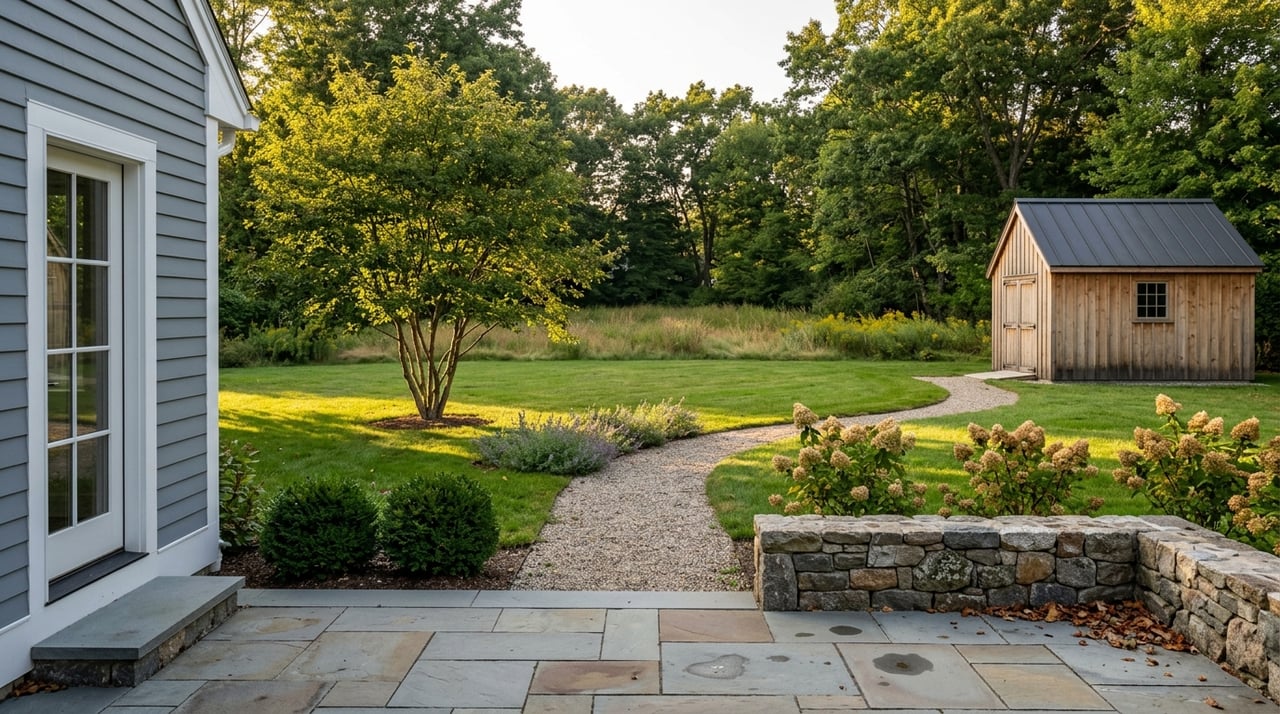
One of Longmeadow’s biggest lifestyle features is how much room it preserves for recreation and nature. Town materials say more than 30% of the town is permanent open space, including more than 750 acres of conservation land on the west side along the Connecticut River.
That amount of open space can change how your week feels. It gives you more options for a quick walk, time outdoors with your kids, or a low-key Saturday that does not require a long drive.
Bliss Park is a local hub
Bliss Park serves as the town’s central all-purpose park. According to the town, it includes walking trails, an outdoor swimming pool, a baseball field, a playground, a basketball court, and clay tennis courts.
For growing families, that kind of all-in-one park can be especially helpful. It supports the kind of everyday flexibility that makes life easier, whether you are meeting friends at the playground, heading to swim lessons, or fitting in a walk before dinner.
Wilson Boundless Playground adds flexibility
Inside Bliss Park, the Wilson Boundless Playground is ADA accessible. The town says it is the only Boundless Playground in Western Massachusetts.
For families, accessible recreation spaces can make outings more practical and more inclusive. It is one more example of how town amenities can support daily life, not just special occasions.
Nature is part of the routine
Longmeadow’s open-space network also includes the 320-acre Fannie Stebbins Memorial Wildlife Refuge. Town materials highlight activities such as hiking, kayaking, bird watching, and nature study.
If you value outdoor time, this adds another layer to the town’s appeal. It means nature is not something you only plan for on vacations or long weekends. It can be part of your regular routine.
Recreation supports busy schedules
The Recreation Department offers a wide range of youth and adult programming, including sports, swim lessons, arts, and fitness activities. That matters because it gives families ways to stay active without depending only on private clubs or traveling out of town.
When you are comparing towns, this kind of convenience is easy to overlook. But once you live somewhere, nearby programming can make a big difference in how manageable your afternoons, evenings, and weekends feel.
The Town Green shapes community life
The Town Green is more than a landmark. It functions as a civic gathering space for events such as Pride Festival, Memorial Day services, summer concerts, and school activities.
The town profile also points to Long Meddowe Days, an annual festival that includes a parade, arts and crafts, music and dance, and a Revolutionary brigade reenactment on the Green. Events like these can give your family a stronger sense of local rhythm and tradition over time.
For many buyers, this is part of what makes Longmeadow feel distinctive. The center of town is not just a pass-through area. It is a place where community life visibly happens.
Small details can say a lot
Sometimes the clearest signs of a town’s lifestyle come from smaller programs. In Longmeadow, Community Gardens are reserved for residents and sit at the south end of Longmeadow Street, with no plot fee and only an annual charge for tilling and irrigation.
That may sound like a minor detail, but it reflects a town where outdoor projects and resident-centered amenities are part of the local culture. If your family enjoys gardening or hands-on activities, it is another small piece of the bigger picture.
School logistics affect your routine
If you have children, school logistics are part of everyday living, not just a line item in your home search. Longmeadow Public Schools says it served about 2,800 students in 2023-2024 and includes six schools: one high school, two middle schools, and three elementary-level schools.
That structure helps shape everything from morning timing to after-school pickup planning. When you tour homes, it is worth thinking about how the location fits the routines you already have.
Transportation is worth checking early
For 2025-2026, the district says bus transportation is available through annual registration. K-6 students who live two miles or more from their assigned school ride free, while other students who live more than one mile away may be offered paid transportation if space allows.
The district also notes that Blueberry Hill Elementary and Center Elementary do not offer busing. For parents, that is the kind of detail that can affect your daily schedule in a very real way.
If you are narrowing down homes, it helps to look at school transportation details early in the process. A house can check every box on paper, but your day-to-day experience may feel very different depending on the school commute.
Commuting in Longmeadow
Longmeadow is a road-first community for most people. The town is accessible from I-91 via Route 5, also known as Longmeadow Street, which connects to the highway on both the north and south ends of town.
That setup can be convenient for regional travel. At the same time, the town’s Route 5 and Converse Street reconstruction information notes heavy commuter traffic demand, especially during weekday peak hours, because of the corridor’s proximity to I-91.
Expect convenience and traffic
This is one of the most practical things to understand before you move. Longmeadow can offer a manageable regional commute, but peak-hour traffic along the Route 5 and I-91 corridor is part of daily life.
If you are used to timing school drop-off, work travel, and after-school activities carefully, this may already feel familiar. Still, it is smart to test drive key routes during real commute windows when you are exploring the area.
Transit exists, but roads lead the way
PVTA serves Longmeadow as one of its member communities and operates fixed-route and demand-response service across the Springfield area. That gives residents a regional public transit option.
Still, the overall picture is more suburban than urban. For most households, road access is likely to shape daily movement more than transit does.
Housing character for growing families
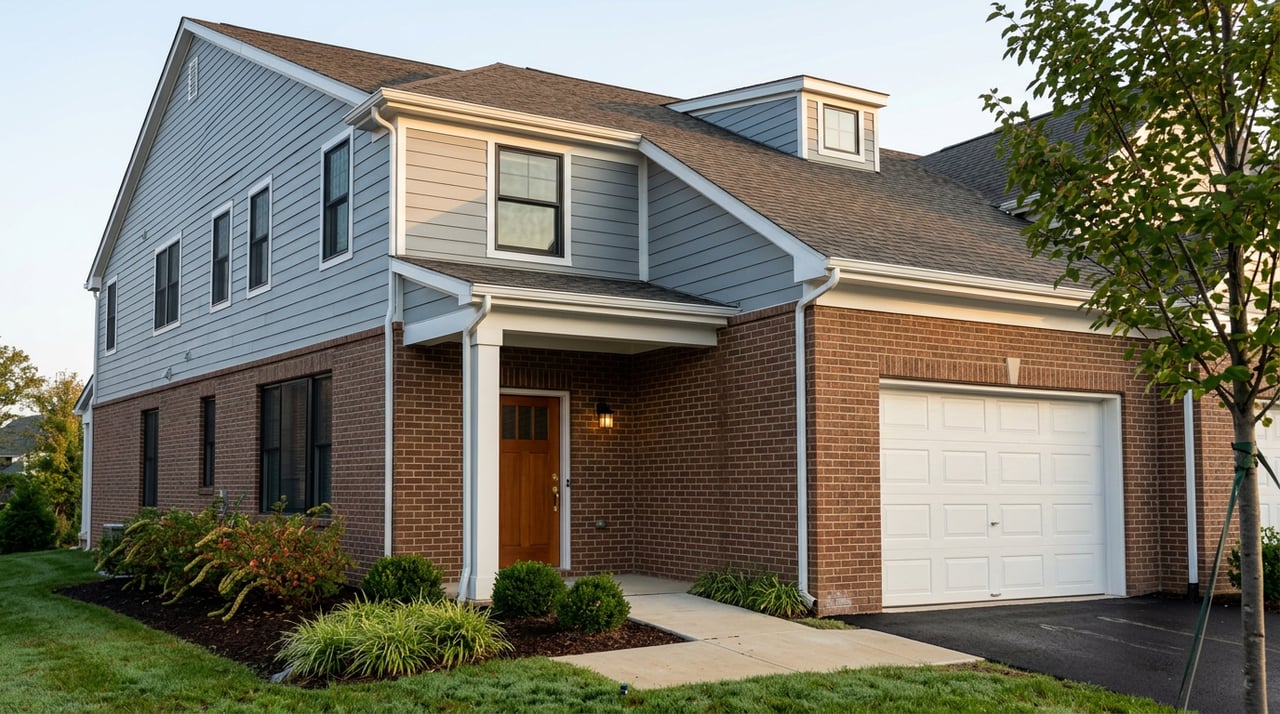
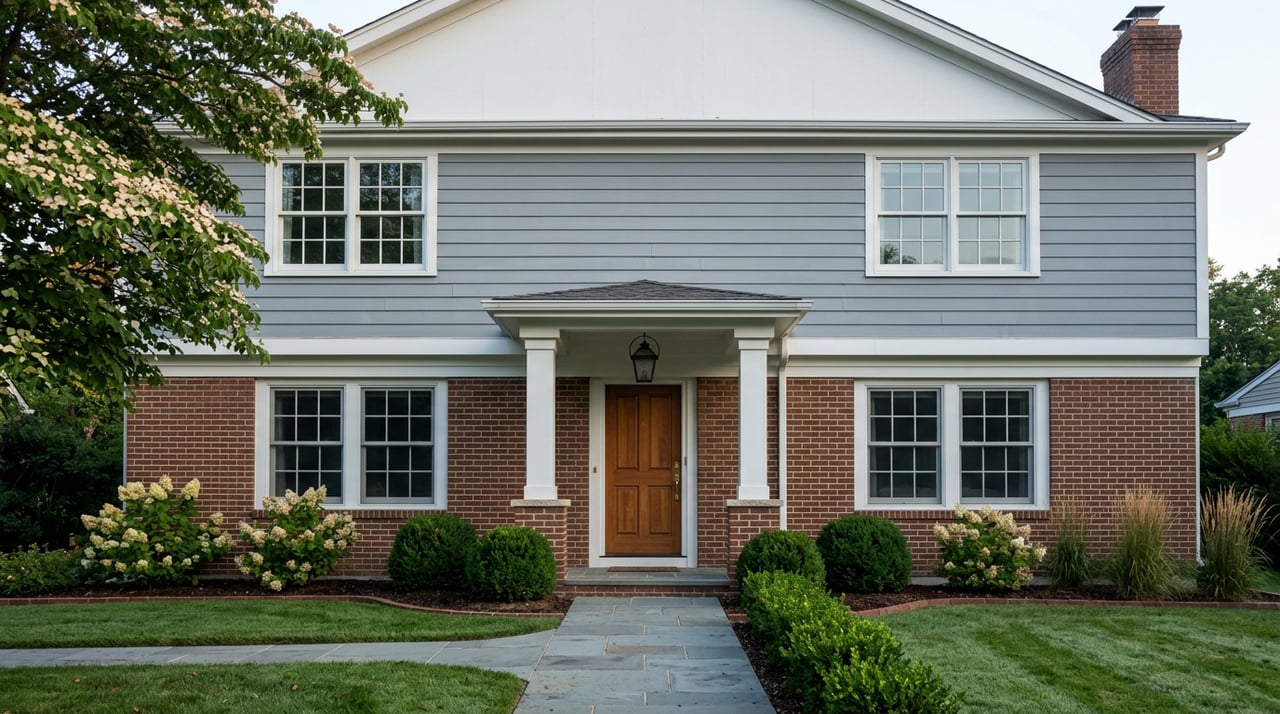
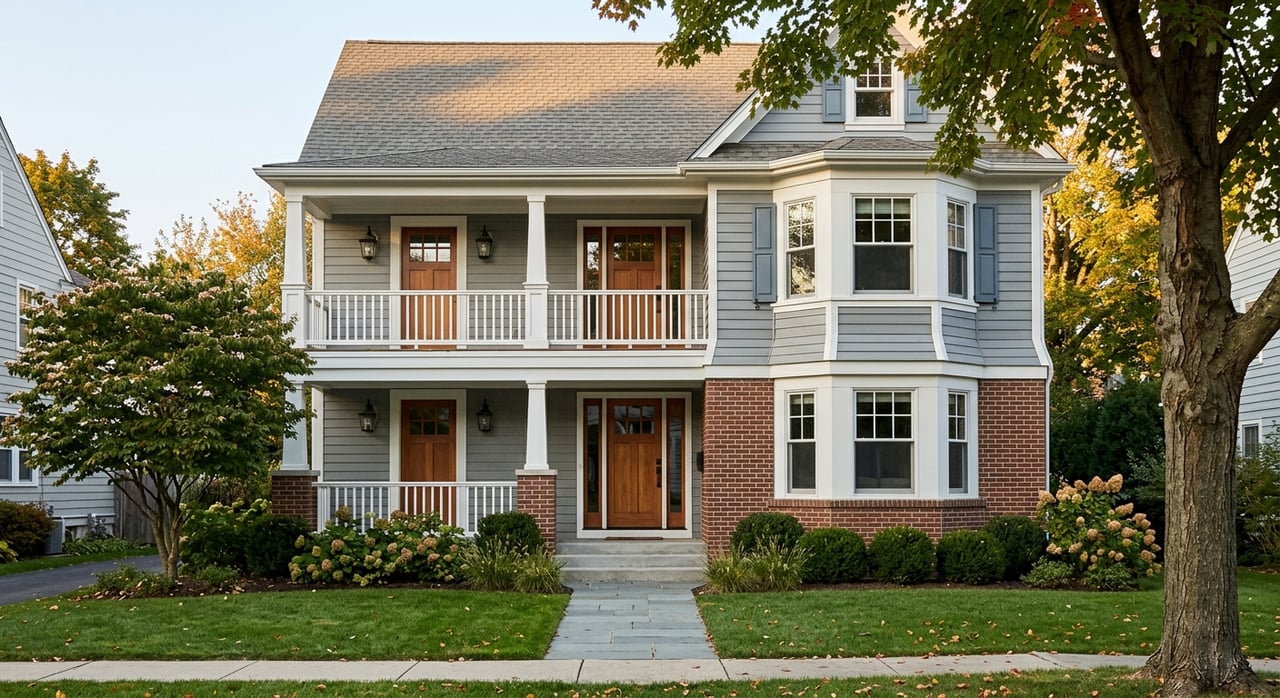
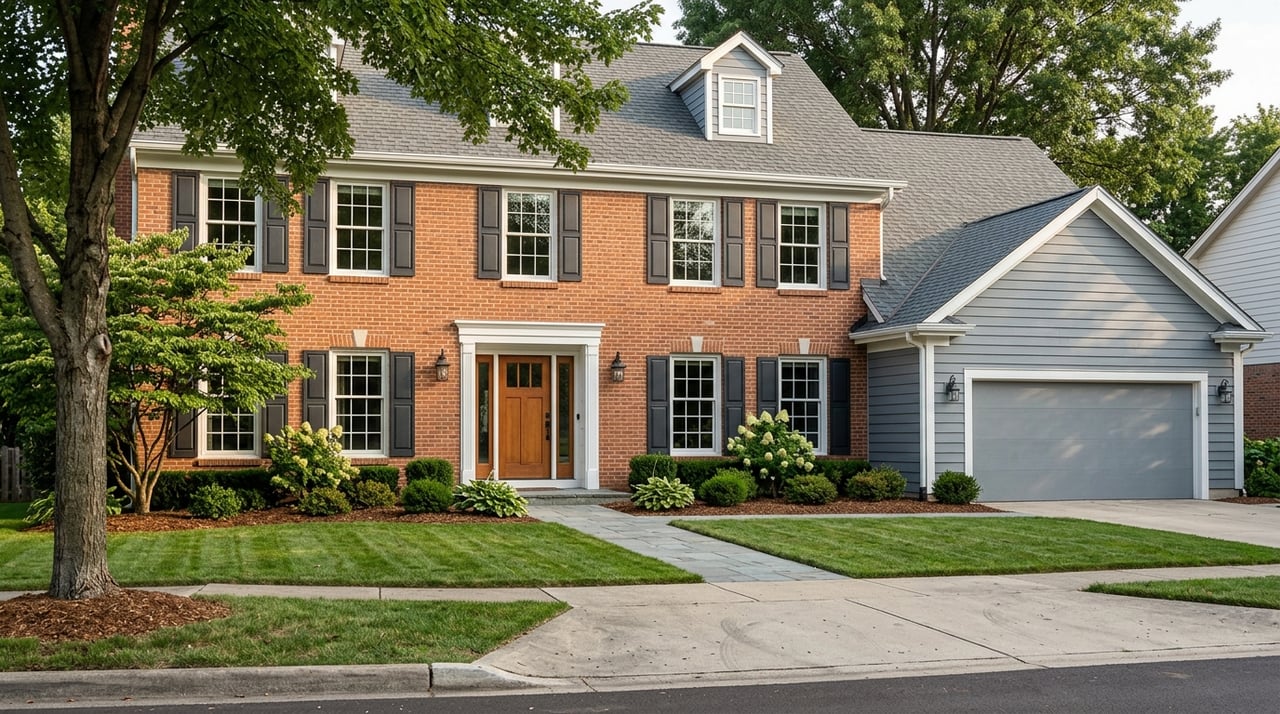
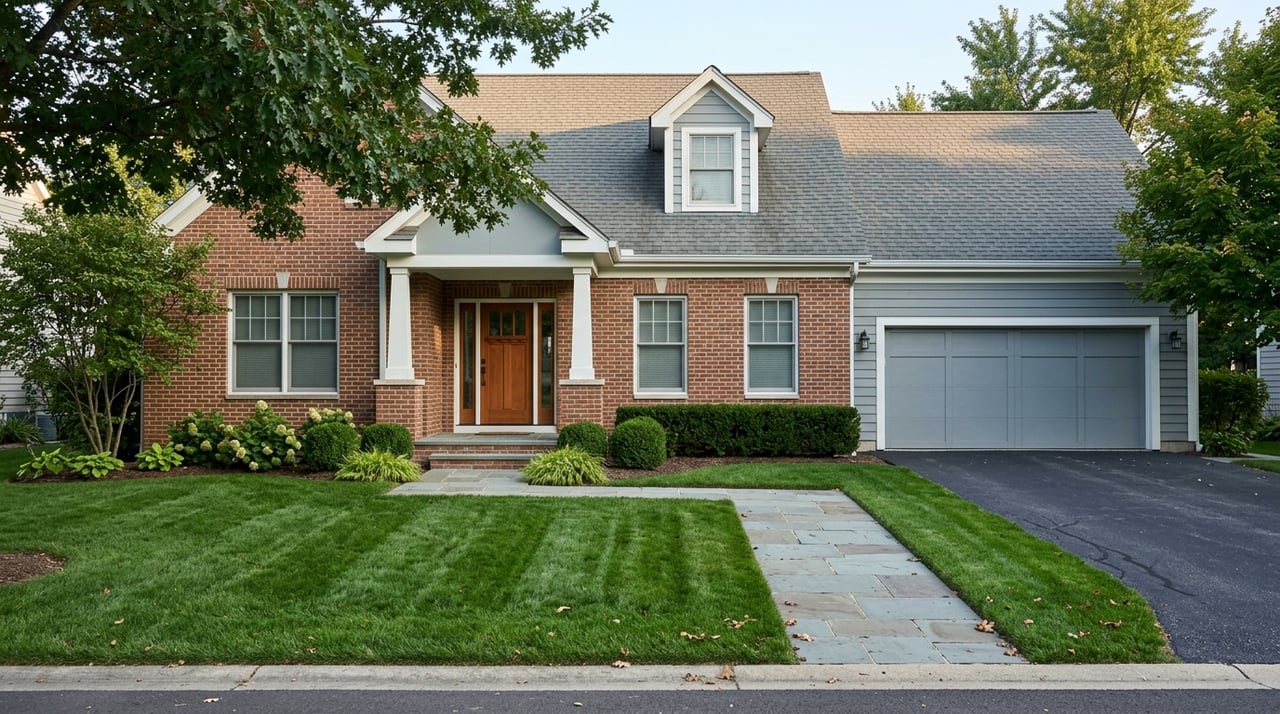
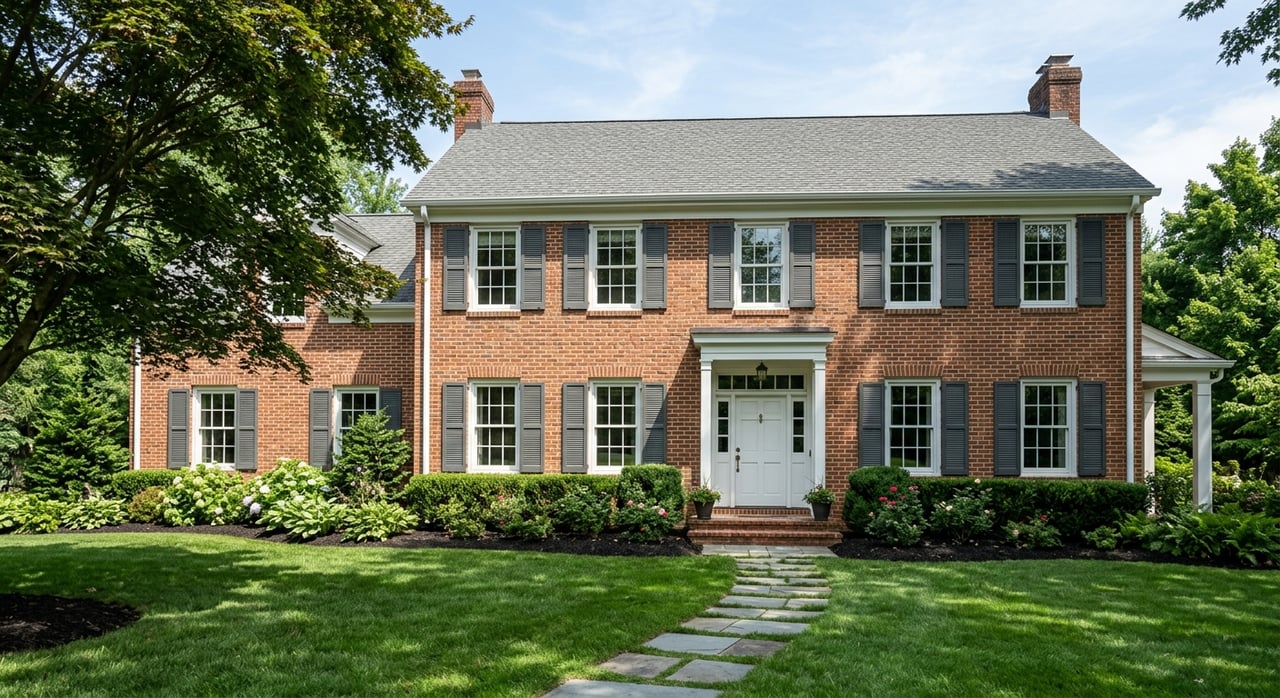
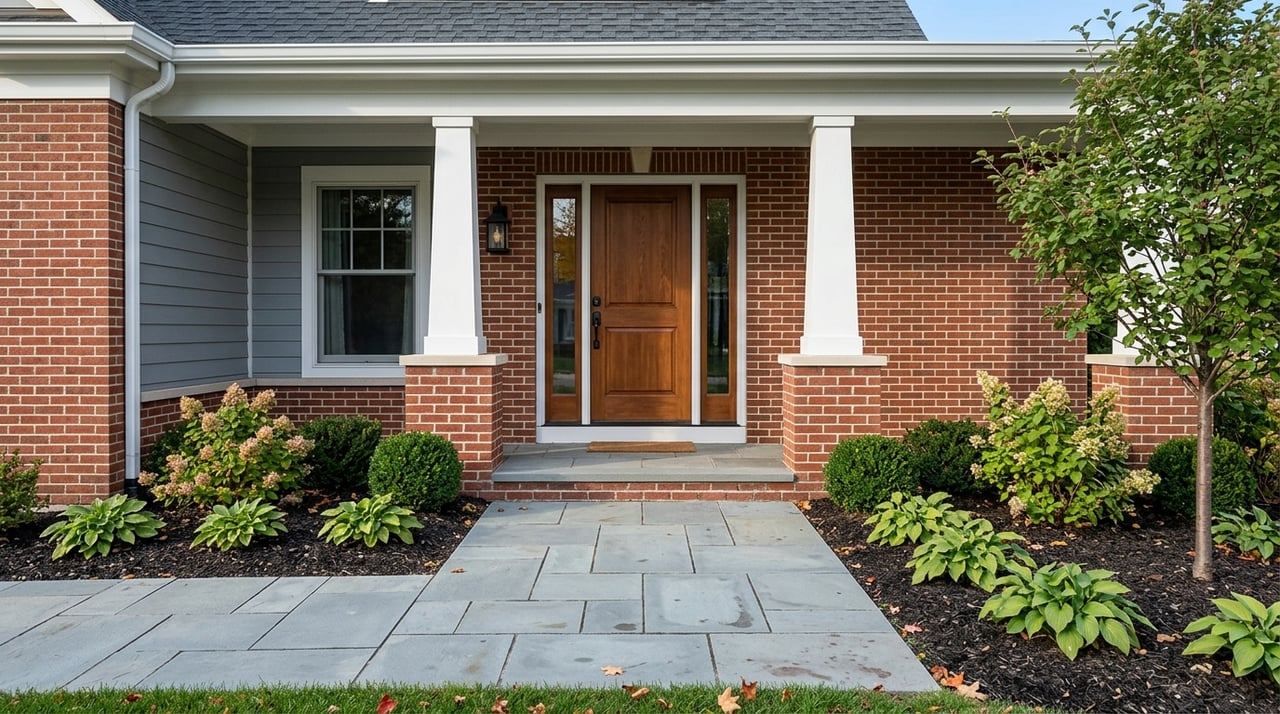
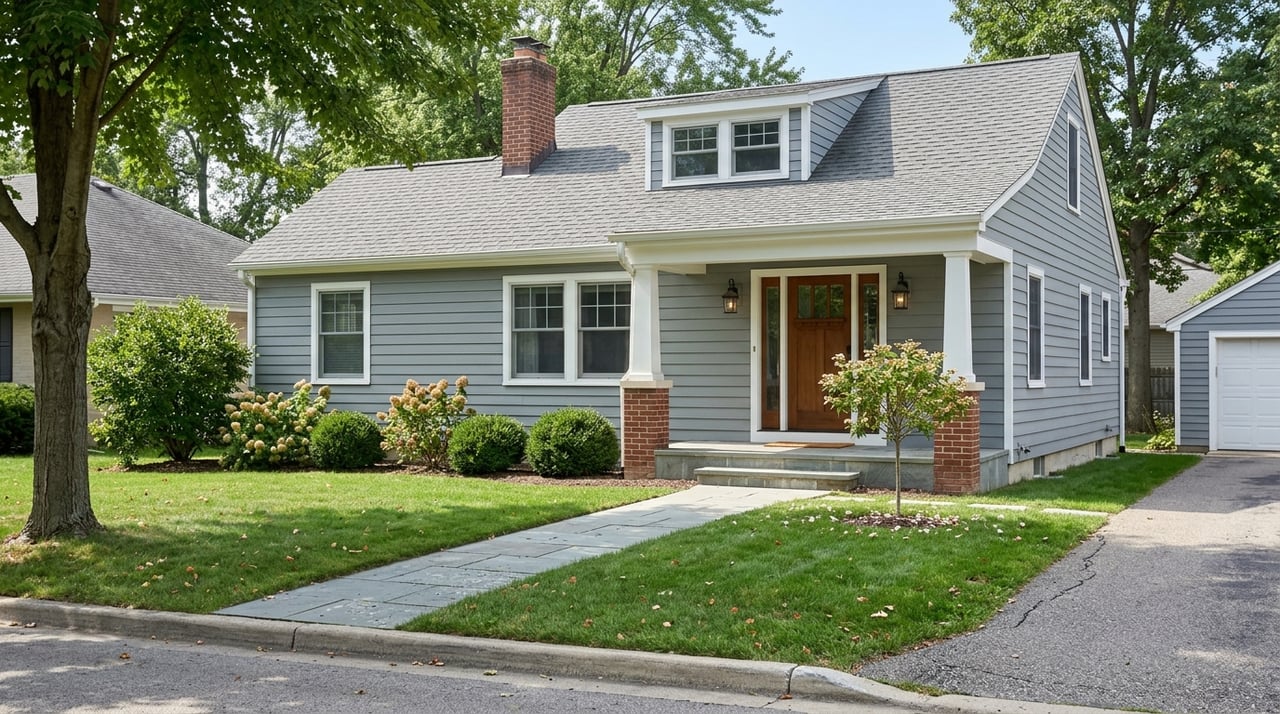
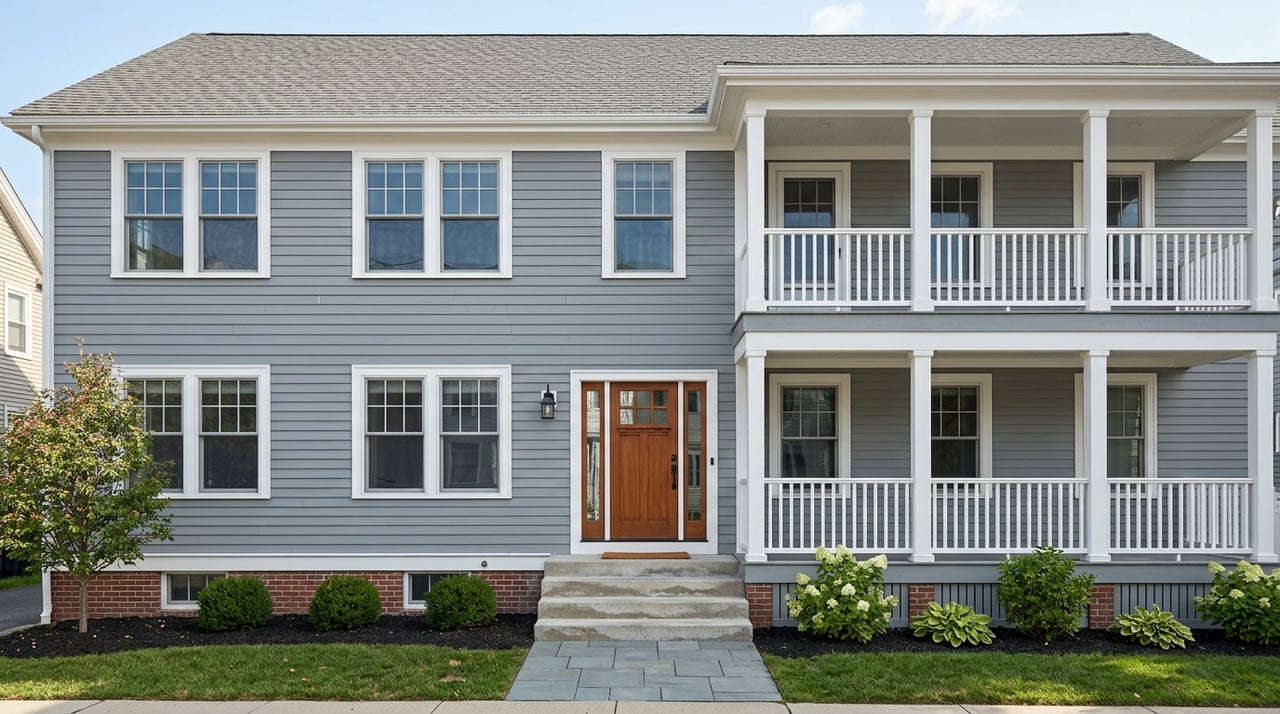
Longmeadow’s housing stock is a big part of its identity. The town profile says most residential construction has been single-family, with much of it built after World War II.
Around the Town Green, you will also find 18th- and 19th-century homes connected to a local historic district. That creates a housing mix that feels established and varied, especially when compared with newer master-planned communities.
A settled residential feel
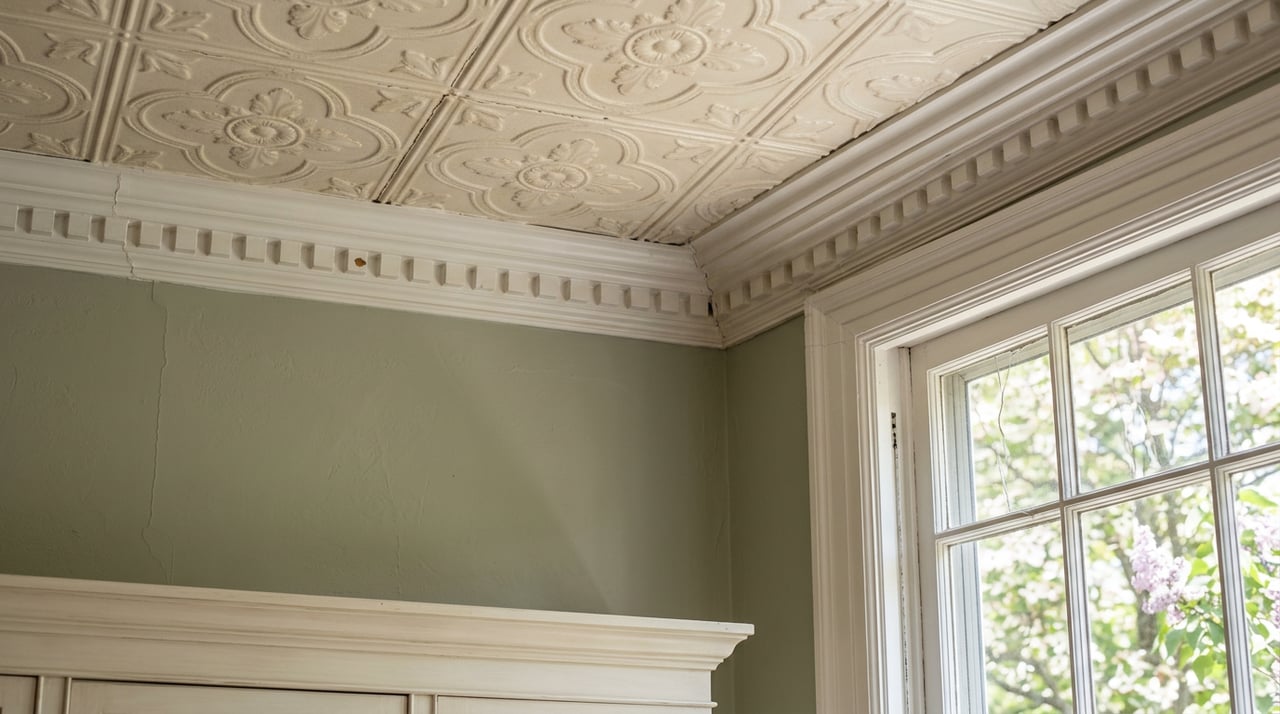
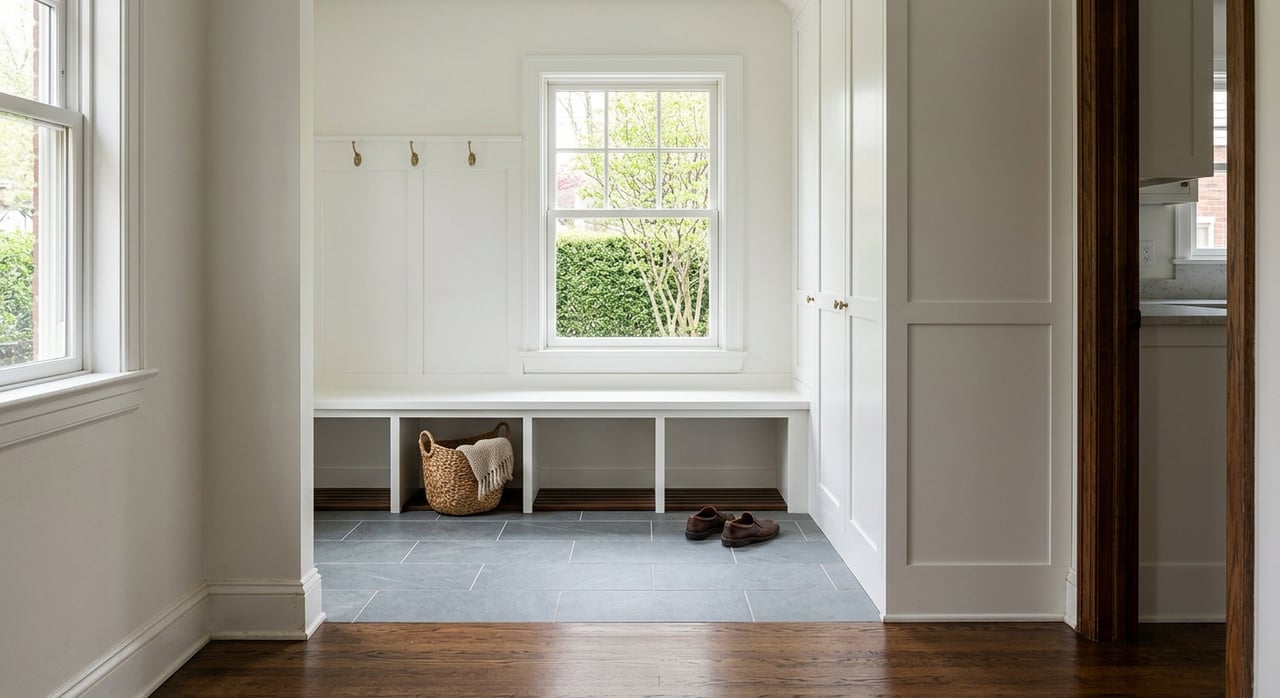
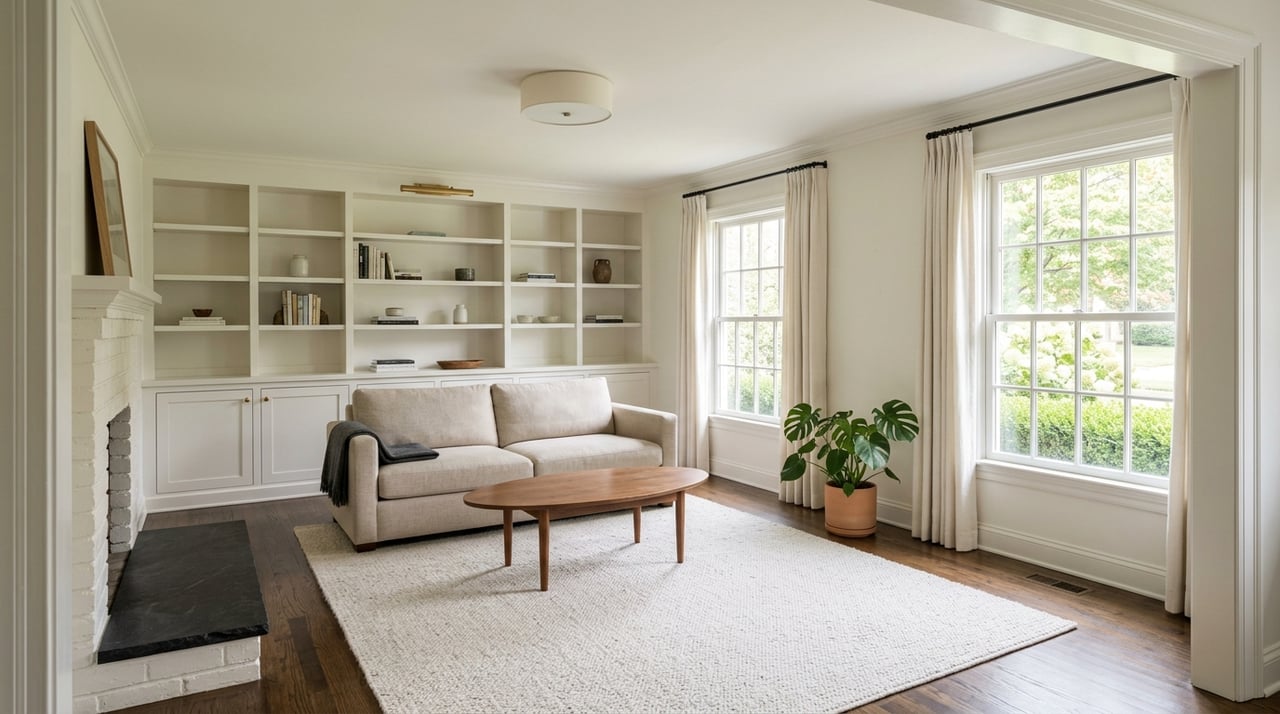
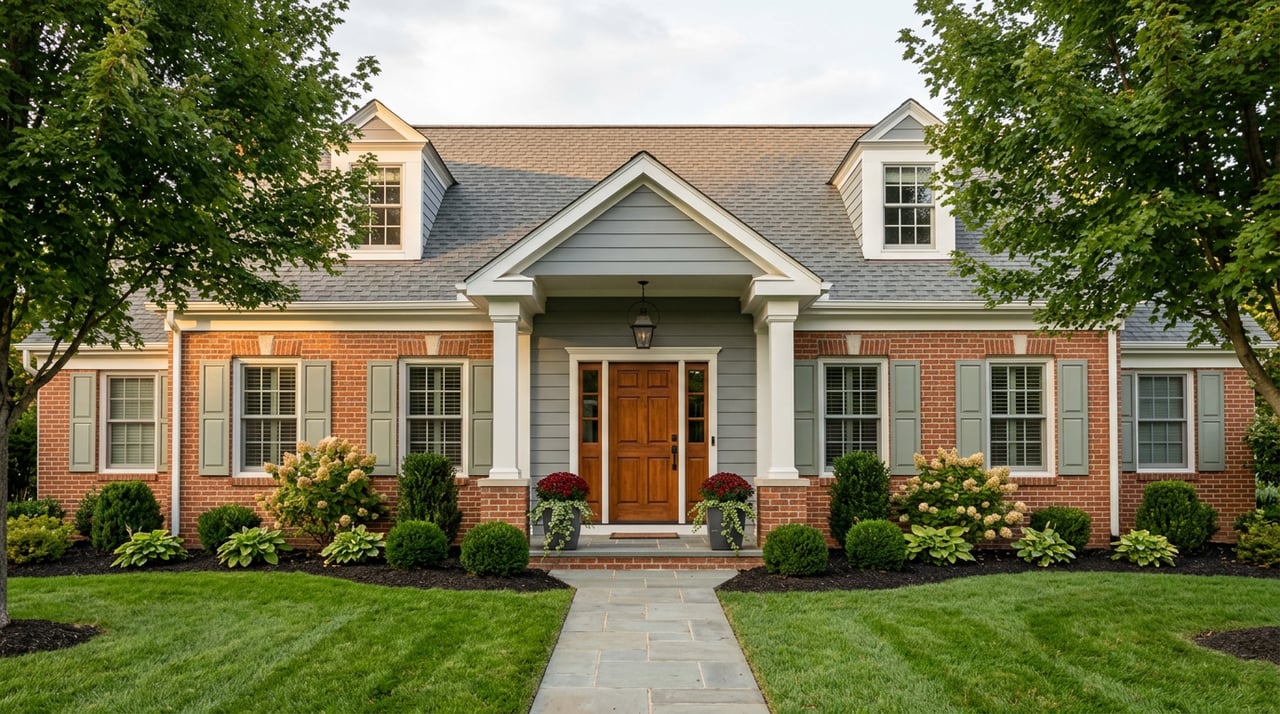
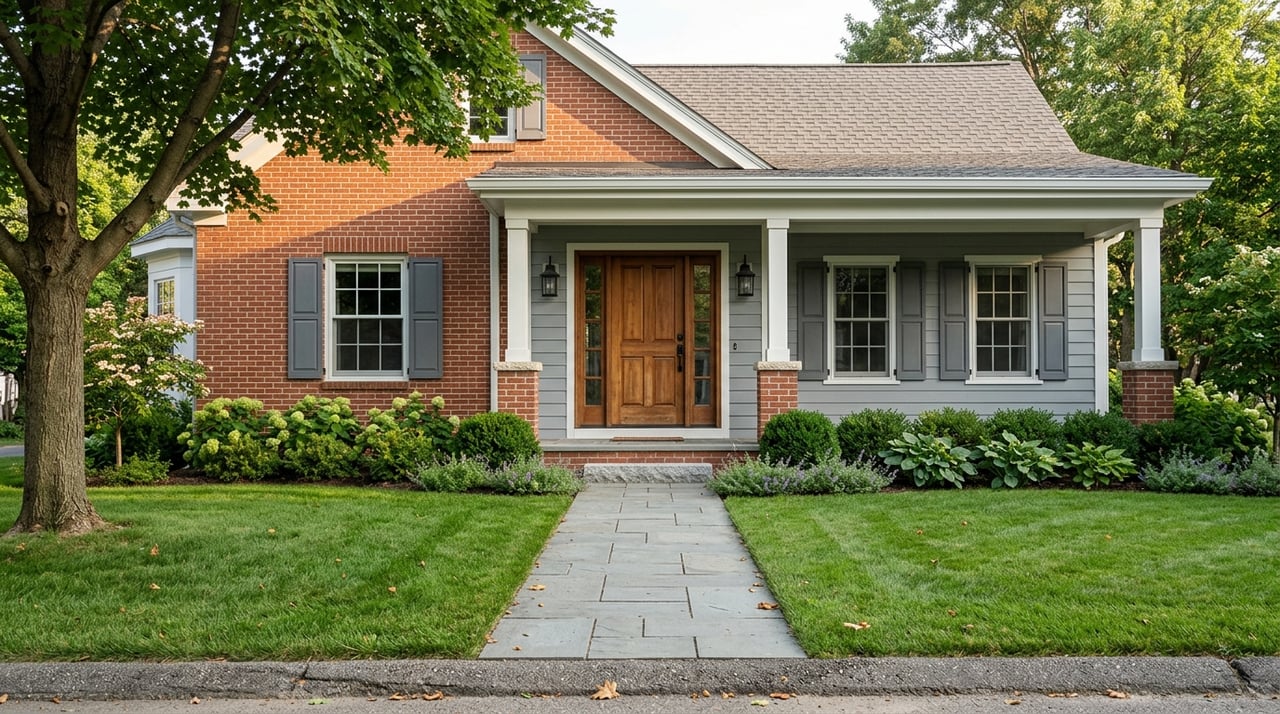
For growing families, the biggest housing takeaway may be the overall character of the town. Longmeadow is likely to appeal to buyers who want a settled residential environment, classic architecture, and close proximity to parks and schools.
Town materials also emphasize historic preservation, open space, and tree care. Longmeadow has been recognized as a Tree City USA community for 21 years, which supports the image of a leafy, established suburb with long-term neighborhood identity.
Ownership is a major theme
With 90.1% owner-occupied housing, Longmeadow shows a strong ownership pattern. While every buyer’s goals are different, that statistic suggests a market where long-term homeownership plays a major role in the town’s overall feel.
If you are looking for a place that feels stable and primarily residential, that may align well with what you want. It is one reason Longmeadow often attracts buyers focused on putting down roots.
Why Longmeadow appeals to many families
Longmeadow’s appeal is not just one feature. It is the combination of established neighborhoods, open space, practical recreation, civic traditions, and a housing stock that leans strongly single-family and owner-occupied.
For some buyers, that adds up to a town where daily life feels predictable in a good way. You can picture weekday routines, weekend park time, town events, and the kind of neighborhood setting that supports a steady family rhythm.
If you are weighing a move to Longmeadow, the most helpful next step is to look beyond listings and think about logistics. Parks, school transportation, commute timing, and housing style all play a major role in whether a town truly fits your life.
When you want calm, informed guidance on finding the right fit in the Pioneer Valley, Suzi Buzzee can help you move with clarity and less stress.
FAQs
What is everyday life in Longmeadow like for families?
- Everyday life in Longmeadow often centers on home, school, parks, recreation programs, and town events, with a more residential suburban feel than a dense entertainment-driven one.
What parks and outdoor options does Longmeadow offer?
- Longmeadow offers Bliss Park, conservation land, and access to the 320-acre Fannie Stebbins Memorial Wildlife Refuge, with options for walking, hiking, kayaking, bird watching, and playground time.
What should parents know about Longmeadow school transportation?
- Longmeadow Public Schools offers bus transportation through annual registration for certain students based on distance, and the district notes that Blueberry Hill Elementary and Center Elementary do not offer busing.
What is commuting from Longmeadow like?
- Commuting in Longmeadow is shaped mainly by Route 5 and I-91 access, with convenience for regional travel but notable weekday peak traffic along that corridor.
What types of homes are common in Longmeadow?
- Longmeadow housing is mostly single-family, with much of it built after World War II, plus older 18th- and 19th-century homes near the Town Green in the local historic district.
Is Longmeadow a good fit if you want an established neighborhood feel?
- Longmeadow may appeal to buyers who want a settled, owner-occupied suburban setting with tree-lined streets, open space, historic character, and strong day-to-day community amenities.