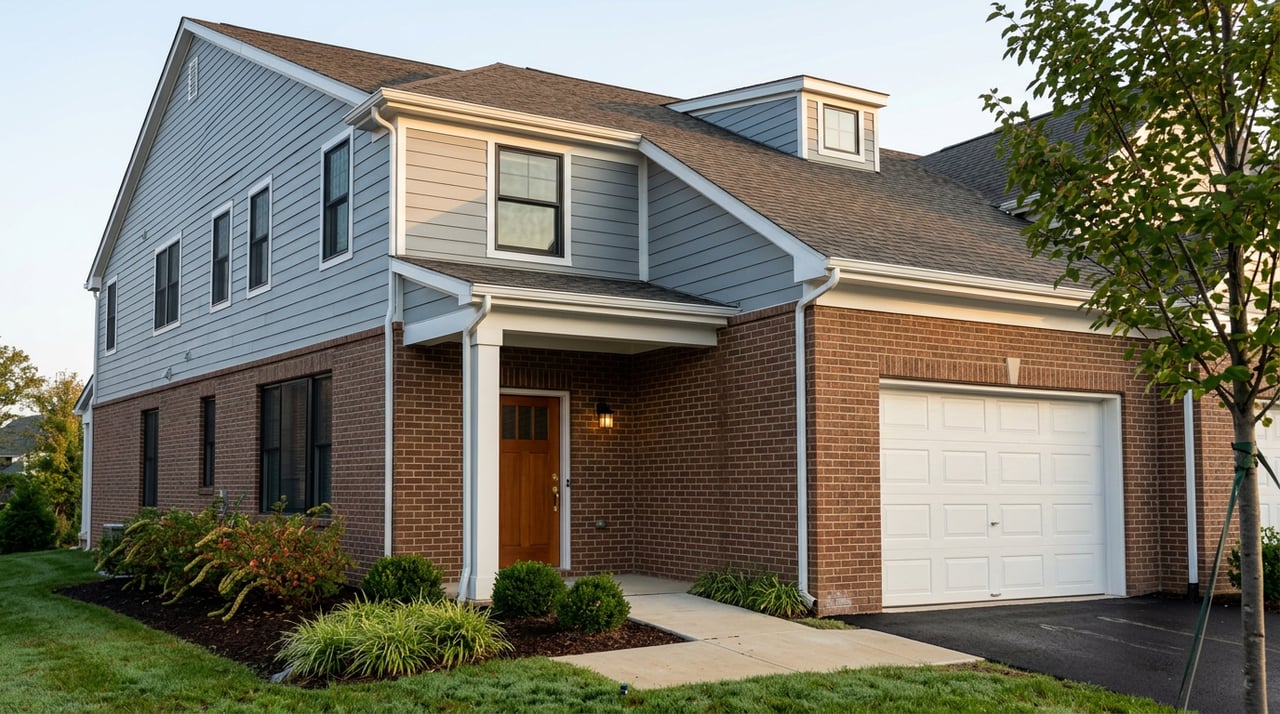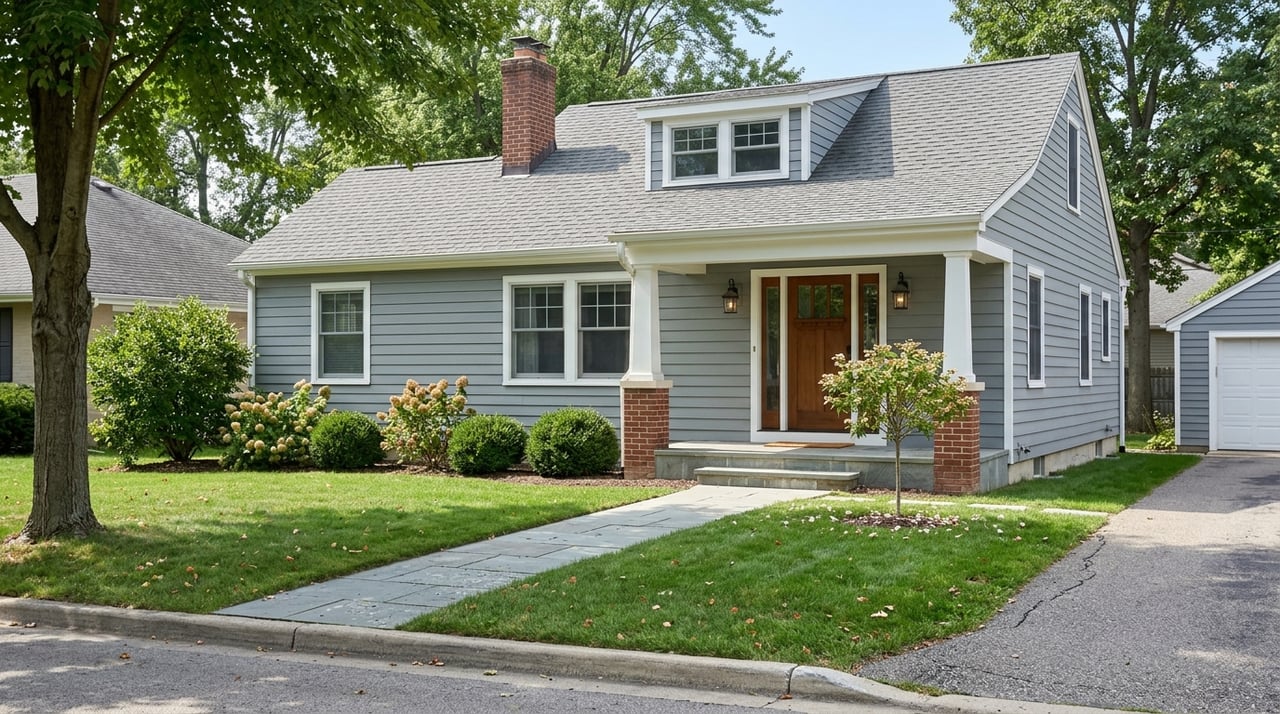
Are you wondering whether now is the right time to hold, refinance, or sell your Springfield multi-family? If you own a two-family, three-family, or small multi-unit property, that choice can feel especially complicated when rents are active, buyers are still shopping, and older buildings keep asking for more attention. The good news is that you can make a smart decision by focusing on your numbers, your property’s condition, and your goals. Let’s dive in.
Springfield Multi-Family Market Basics
Springfield is not a niche market for small multi-family properties. According to city planning data, two- to four-unit structures make up a meaningful share of the housing stock, and the city still has more than 13,000 units in two-family houses. That matters because it shows small multi-family ownership is a core part of the local housing landscape.
Demand also appears steady for smaller rental units. Springfield’s 2025-2029 Consolidated Plan says 33% of households are single-person households, and 60% are one- or two-person households. The same city plan identifies the biggest housing gap in studio and one-bedroom units, which suggests compact, updated units may stay useful in this market.
Current market pace is also worth noting. Recent citywide data show home values near $300,000, homes going pending in about 11 days, and average asking rents above $1,700. For many owners, the real question is not whether demand exists, but whether the building can keep producing a return after its next round of repairs.
When Holding Makes Sense
Holding a Springfield multi-family often makes the most sense when the property already cash flows and the building is in manageable condition. If your units are consistently leased, your expenses are predictable, and you are not staring at several major repairs at once, keeping the property may be the most practical move. In a city with steady renter demand and a large base of small multi-family housing, well-maintained buildings can continue to serve a clear purpose.
The local policy backdrop also supports preservation and rehabilitation. Springfield’s Community Preservation Committee has identified housing priorities that include rehabilitating deteriorated homes, supporting owner-occupancy in two- and three-family properties, and helping income-eligible owner-occupants with repairs. While that does not guarantee anything for every owner, it does reflect a city-level focus on maintaining older housing rather than letting it decline.
A strong hold scenario often includes a few clear signs:
- Your rents are close to market, with room for careful increases
- Your roof, heating, plumbing, and electrical systems are not all due soon
- You have reserves for vacancies and repairs
- Your property continues to attract renters without long vacancies
If that sounds like your building, holding may give you ongoing income and more time to build equity.
When Refinancing Deserves a Look
Refinancing is usually less about timing the market and more about improving the math. If a refinance lowers your monthly payment, gives you more stability, or helps you fund needed work, it may be worth exploring. It can be especially useful if you want to keep the property but need a better financial structure.
Freddie Mac reported an average 30-year fixed rate of 6.49% and a 15-year fixed rate of 5.84% for the week ending June 25, 2026. That rate environment will not work for every owner, but refinance activity has picked up recently, which suggests some owners are still finding useful opportunities.
Before refinancing, it helps to remember that lower payments do not always mean a better long-term result. The CFPB notes that refinancing often comes with many of the same costs as the original mortgage, and a lower payment can sometimes come from stretching the loan over a longer term rather than getting a meaningfully better loan overall.
Refinancing may be worth a closer look if your goal is to:
- Improve monthly cash flow
- Move from an adjustable-rate loan to a fixed-rate loan
- Shorten your loan term while keeping the property
- Use built-up equity to fund repairs or stabilize the building
If your property value has held up, your credit is strong, and you do not plan to give up the property soon, refinancing may support a hold strategy.
When Selling May Be Smarter
Sometimes the strongest decision is to sell before the next big expense hits. Springfield has an older housing stock, and that matters a lot for multi-family owners. The city says about 75% of housing was built before 1970, and 44% was built before World War II.
Older buildings can absolutely perform well, but they can also demand serious capital. Roofs, boilers, windows, porches, plumbing, electrical updates, and code-related issues can all show up around the same time. When repair costs start to exceed the value you expect to gain from holding, selling may be the cleaner and safer move.
Selling can make particular sense if:
- Major systems will need replacement in the next 12 to 36 months
- The property no longer produces enough net income after reserves and repairs
- Managing tenants and maintenance feels like too much operational burden
- You would rather free up equity than fund another round of updates
Springfield’s current market gives sellers something to work with. Recent data show active buyer interest, including dozens of duplex and triplex listings in the city. That does not promise a top-dollar outcome for every property, but it does suggest buyers are still paying attention to this asset type.
The Real Decision Comes Down to Capital Costs
For many Springfield owners, this decision is really about one thing: Can your building absorb its next round of capital costs and still deliver a return? If the answer is yes, holding may make sense. If the answer is maybe, refinancing might help. If the answer is no, selling deserves serious consideration.
This is especially important in Springfield because older multi-family properties can be both valuable and demanding. A building with stable tenants and manageable systems can remain a useful long-term asset. A building with deferred maintenance and tightening margins can become a drain quickly.
Questions to Ask Before You Decide
Before you choose a path, step back and review the property like a business decision. A calm, methodical review often makes the answer much clearer.
Ask yourself these five questions:
- What is the property’s true net income after reserves and repairs?
- Are your rents actually below market, or are they already close to the ceiling?
- What major systems will likely need replacement in the next 12 to 36 months?
- Would refinancing improve cash flow enough to justify the closing costs?
- Would selling now free up enough equity to outweigh future rental income and appreciation?
If you can answer those honestly, you will be in a much better position to choose the right move for your situation.
A Simple Way to Think About It
If your building is stable, leased, and not facing major immediate repairs, holding may be the right move. If the property works but the financing does not, refinancing may help improve the picture. If the building needs major investment and the return no longer justifies the stress or expense, selling may protect your time and capital.
There is no one-size-fits-all answer for every Springfield multi-family owner. The right choice depends on your numbers, your timeline, and your tolerance for upcoming work. A local, property-specific review is often what turns a hard decision into a confident one.
If you want a clear, low-stress conversation about your Springfield multi-family and what your options look like in today’s market, Suzi Buzzee can help you weigh the numbers, the condition, and the likely next steps with a calm, practical approach.
FAQs
Should you hold or sell a Springfield multi-family if rents are strong?
- Strong rents help, but the bigger question is whether the property still performs well after reserves, repairs, and upcoming capital costs.
When does refinancing a Springfield multi-family make sense?
- Refinancing may make sense when it improves cash flow, creates more payment stability, shortens your term, or helps fund needed repairs with built-up equity.
Why are repairs such a big factor for Springfield multi-family owners?
- Springfield has an older housing stock, so owners of small multi-family properties may face larger repair cycles involving roofs, boilers, windows, porches, plumbing, or electrical systems.
Is there buyer demand for Springfield two-family and three-family properties?
- Current market activity suggests buyers are still actively shopping small multi-family properties in Springfield, including duplexes and triplexes.
What should you review before deciding to sell a Springfield investment property?
- You should review true net income, current rent position, likely repair costs over the next 12 to 36 months, refinance options, and how much equity a sale would actually free up.