Open any portal and Holyoke reads as a single number. In February 2026 that number was a median sale price of $289K, down 11.2% compared to last year, and by late spring Zillow's index put the typical Holyoke home value at $297,295, up 5.1% over the past year. Those two figures point in opposite directions in the same city during the same season. That is the first clue.
The second clue is that the citywide median is an average of two housing markets that have almost nothing in common, and a Massachusetts statute quietly reprices one of them at the closing table. If you are comparing Holyoke to Easthampton, South Hadley, or Chicopee on price alone, you are comparing the wrong thing.
Two Holyokes under one line on the chart
Holyoke is not one housing market. It is a Highlands market and a downtown market stitched together on a spreadsheet.
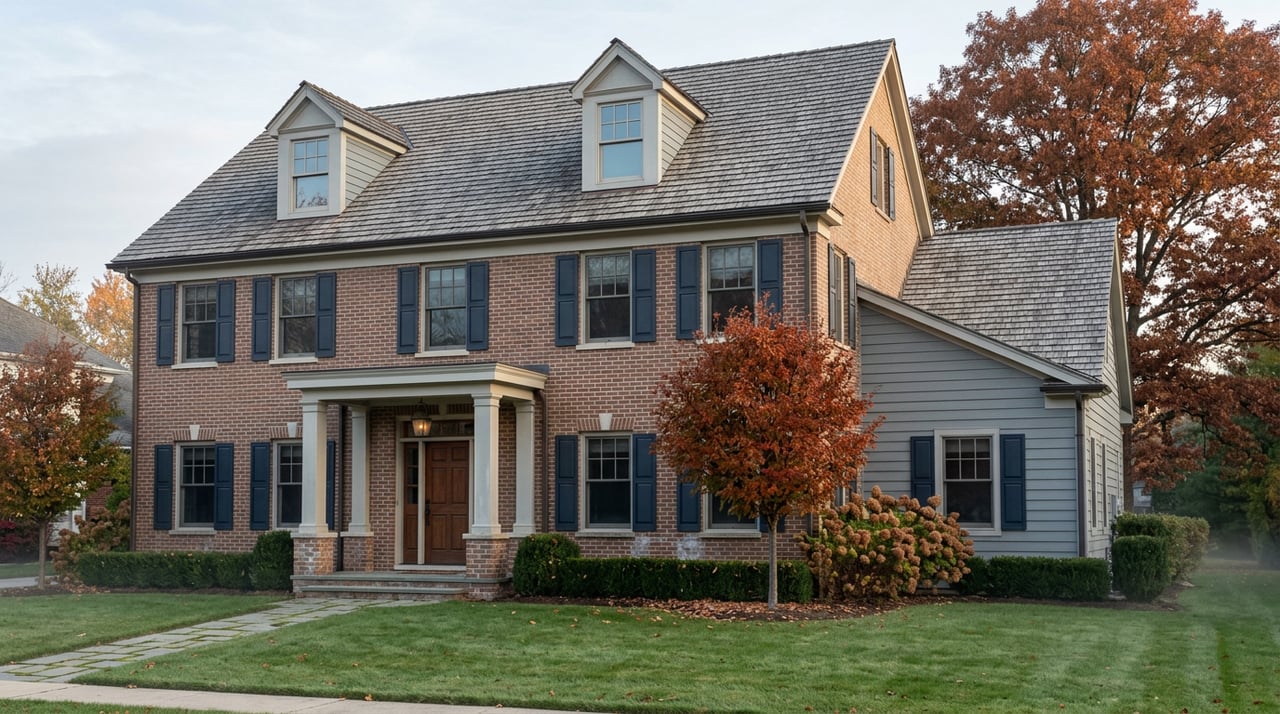
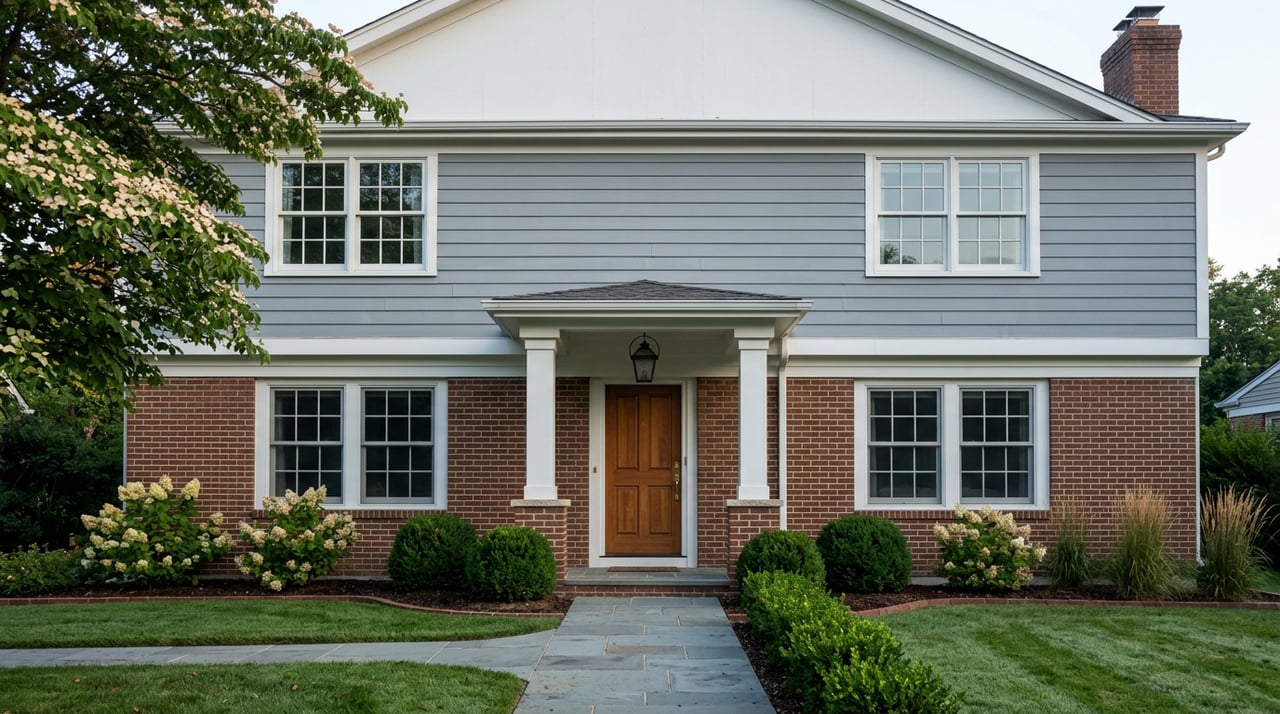
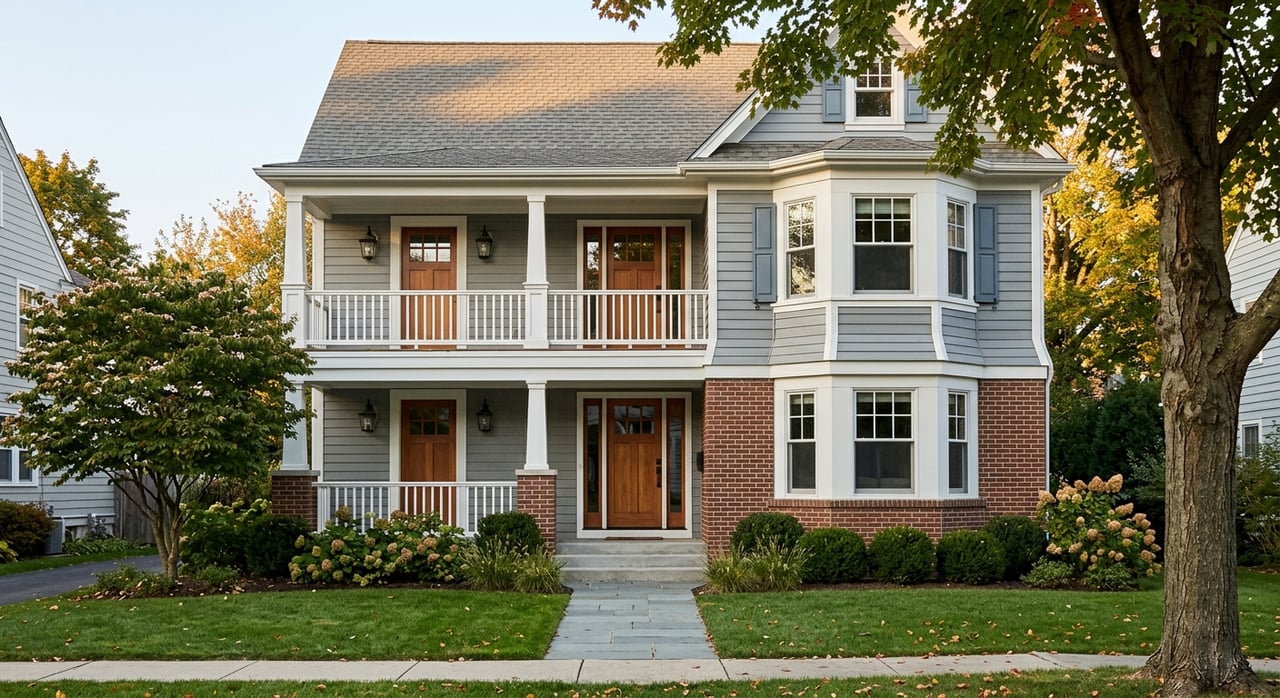
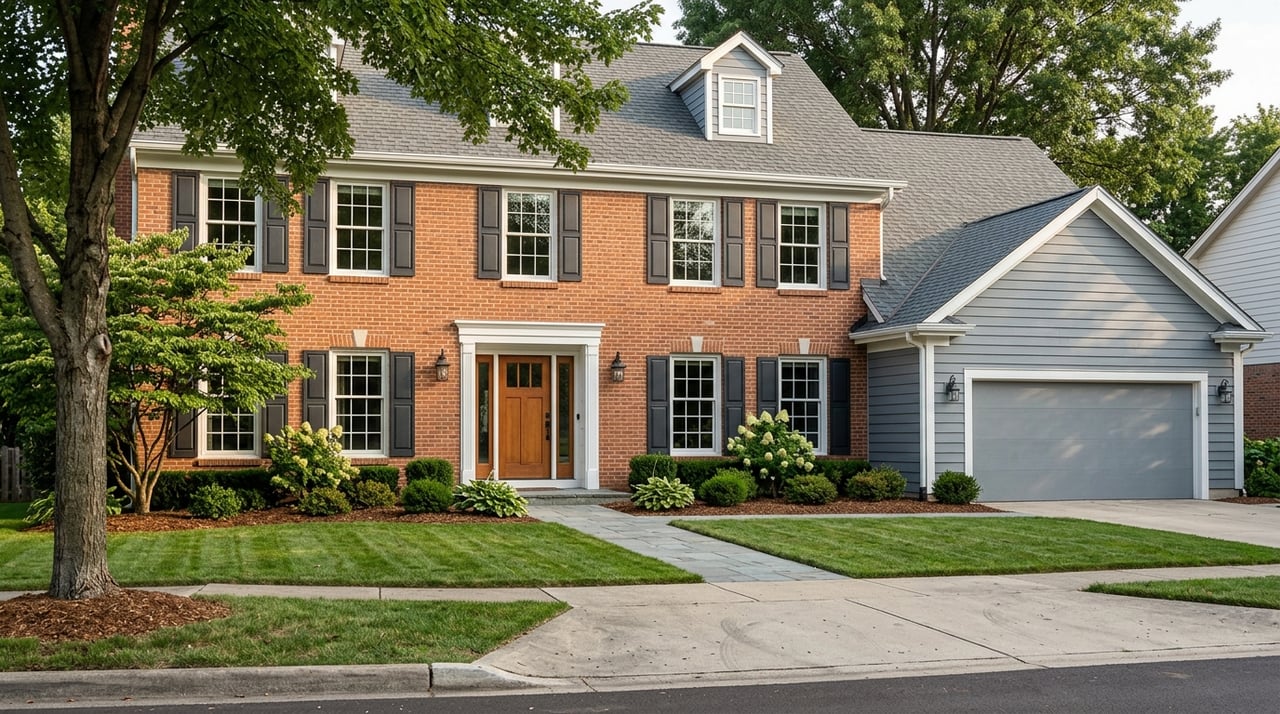
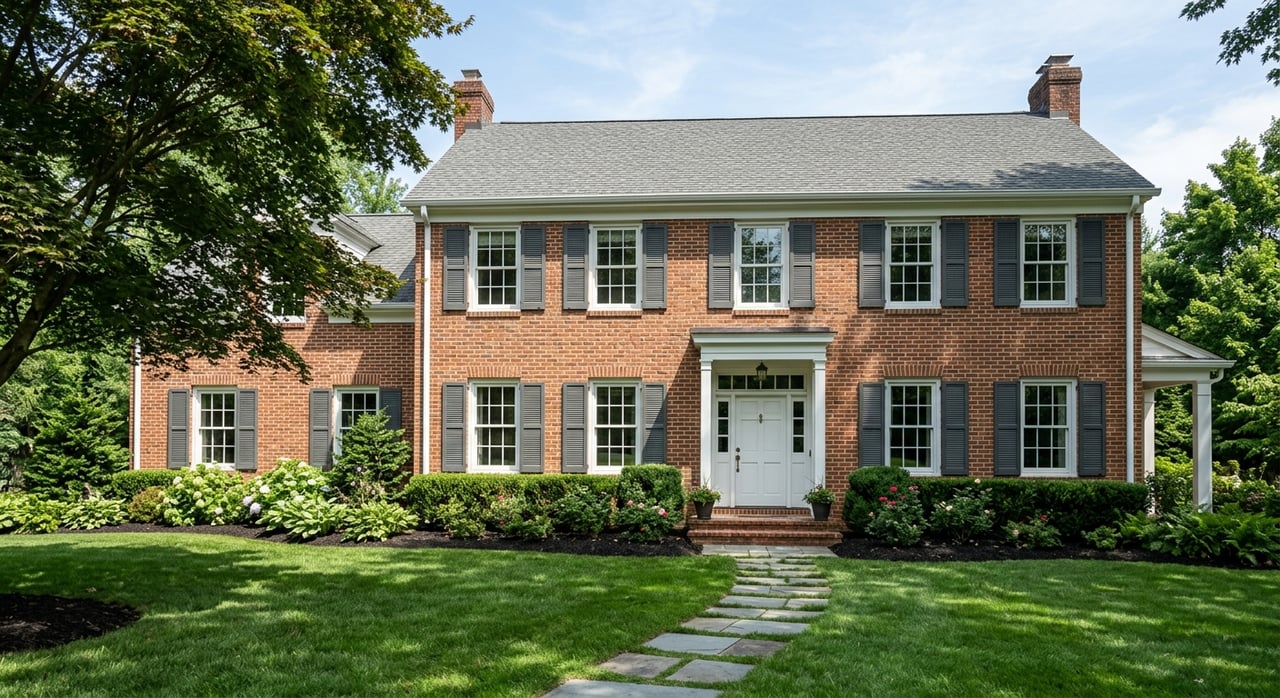
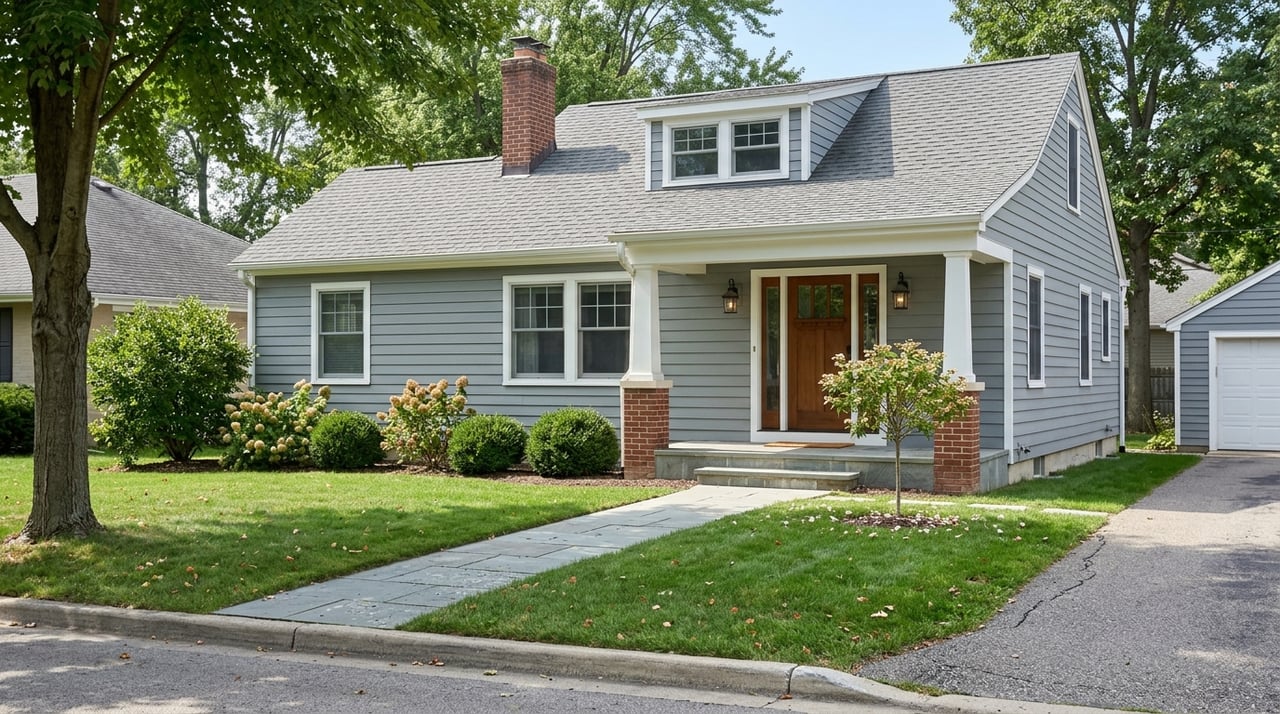
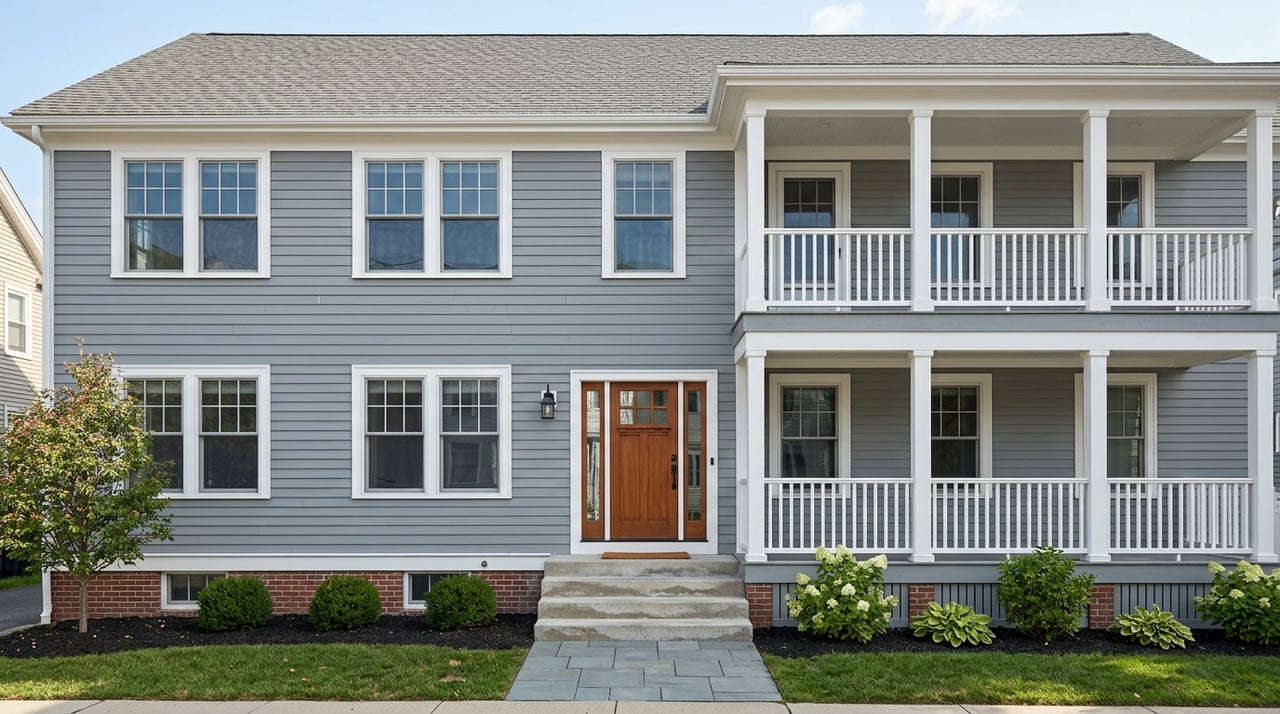
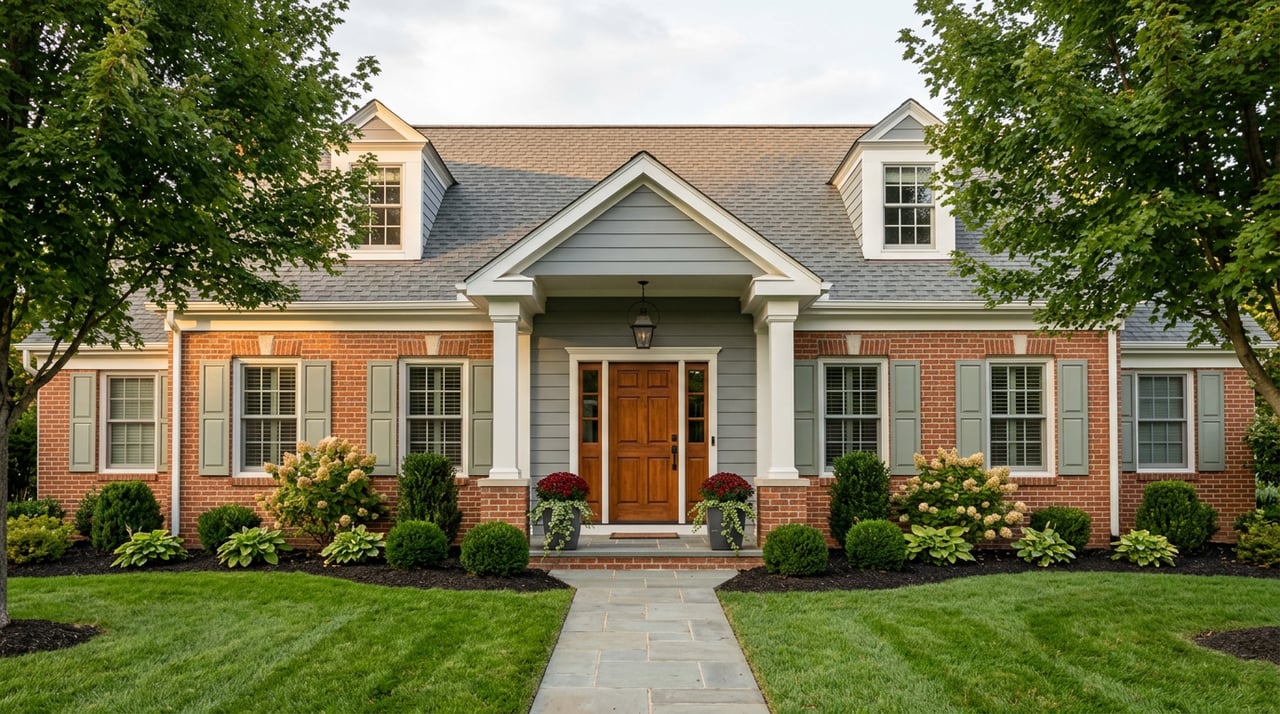
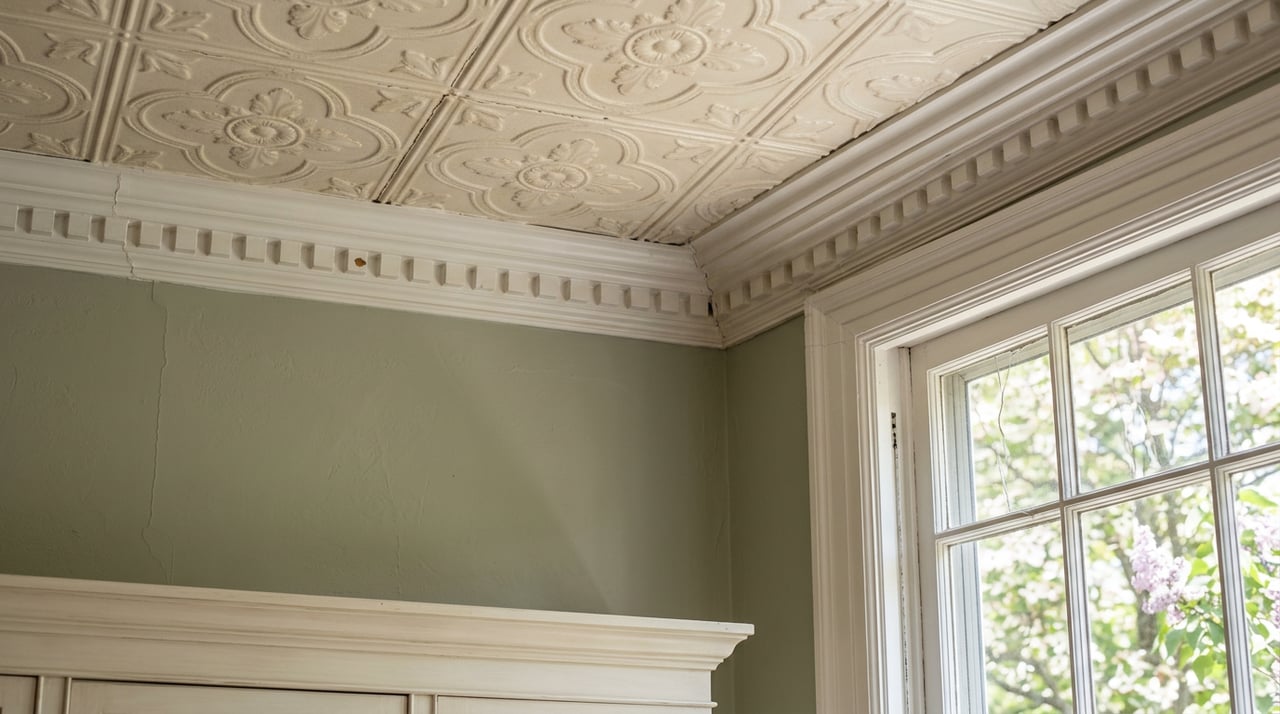
The Highlands is where the single-family stock lives, along the College Streets and the leafy grid north of I-91, with Victorians, turn-of-the-century Colonials, and the occasional Queen Anne on a deep lot. Downtown Holyoke is a different animal: brick row houses, three-deckers, and mill-era multi-families along and above the canal system. When those two are averaged, the composite tells you nothing about either.
The direction of travel tells you more than the level. In January 2026, Downtown Holyoke home prices were up 51.1% compared to last year, selling for a median price of $237K, though that reading rests on only 5 homes sold in January, so the percentage is loud but the sample is thin. Meanwhile citywide volume was compressing: 13 homes sold in February this year, down from 20 last year. Fewer transactions, a wider gap between sub-neighborhoods, and a portal average that tries to hide both.
A useful comparison to keep in your head while shopping:
| Snapshot | Metric | Reading |
|---|---|---|
| Holyoke citywide, Feb 2026 | Median sale price | $289K, down 11.2% YoY |
| Holyoke citywide, Feb 2026 | Median $/sq ft | $151, down 17.0% YoY |
| Holyoke citywide, Feb 2026 | Days on market | 50 |
| Downtown Holyoke, Jan 2026 | Median sale price | $237K, up 51.1% YoY on 5 sales |
| Massachusetts, mid-2026 | ZHVI (statewide) | ~$667K |
Sources: Redfin Holyoke and Downtown Holyoke market pages, Zillow Massachusetts ZHVI. The two Holyoke rows are the same city in the same month.
What that gap actually buys you: a Highlands single-family with the original woodwork and a fenced yard on a long-settled street sits at the upper end of the local band, while homes in the city start around $200,000 for three bedrooms and can reach the low four hundreds for larger, updated stock. In the same window, a Highlands two-family listed near Morgan Street Park will trade on rent roll and separate utilities more than on curb appeal. Two very different transactions, one line on the chart.
The 90-day clock most buyers do not see
Here is the mechanism the median cannot show you. Holyoke's housing stock skews older than the state average, and the state average is already old: according to the American Community Survey (2012-2016), 71% of Massachusetts' housing stock is built before 1978. In Holyoke, the share is higher. Almost every Highlands Victorian, every downtown row house, and every three-decker along the canals falls on the wrong side of that year.
That matters because of a state statute most out-of-market buyers underweight. Under the Massachusetts Lead Law, real estate agents are required to disclose that a new owner of a home built before 1978 in which a child under six will reside must have it deleaded or under interim control within 90 days of taking title. The obligation is triggered by the child, not by a test result. As the Department of Public Health writes it, the law applies to both rental and owner-occupied dwellings and embodies the principle of primary prevention, meaning that the requirement to delead is triggered by the occupancy of a child not by whether a child is experiencing an elevated blood lead level.
Two consequences follow, and they show up in real Holyoke transactions.
First, disclosure has to happen before the purchase and sale is signed, not at closing. The state's guidance is explicit: the owner or real estate agent must deliver the complete notification packet before the buyer signs the purchase and sale agreement. A buyer who reads the packet for the first time at the attorney's office has lost their leverage.
Second, the 90-day clock runs on the buyer, not the seller. If you close in June with a two-year-old, your abatement work has to be scoped, permitted, and inspected by early September. The state notes that the Massachusetts Property Transfer form itself notes that an inspection is highly recommended but not required, but skipping it is a gamble, since a professional lead inspection typically runs $300 to $800, and discovering hazards after closing means you own the abatement bill. Full letter-of-compliance work on a Highlands Victorian with original windows and painted trim can run into five figures. That is your median-price discount, hidden as a compliance cost.
What that reprices, in practice
The Lead Law does not change what a house is worth. It changes when you pay for it and who signs the check.
- A Highlands Colonial priced at the top of the local band, with painted original windows, may still be the right buy, but a lead inspection during the contingency period is the difference between negotiating on paper and negotiating on a surprise.
- A downtown two-family bought as an investment brings a different exposure: the owner is strictly liable for lead poisoning; if someone gets sick from lead paint, they can be held responsible to pay for it even without evidence. Rent roll math changes when the abatement reserve is real.
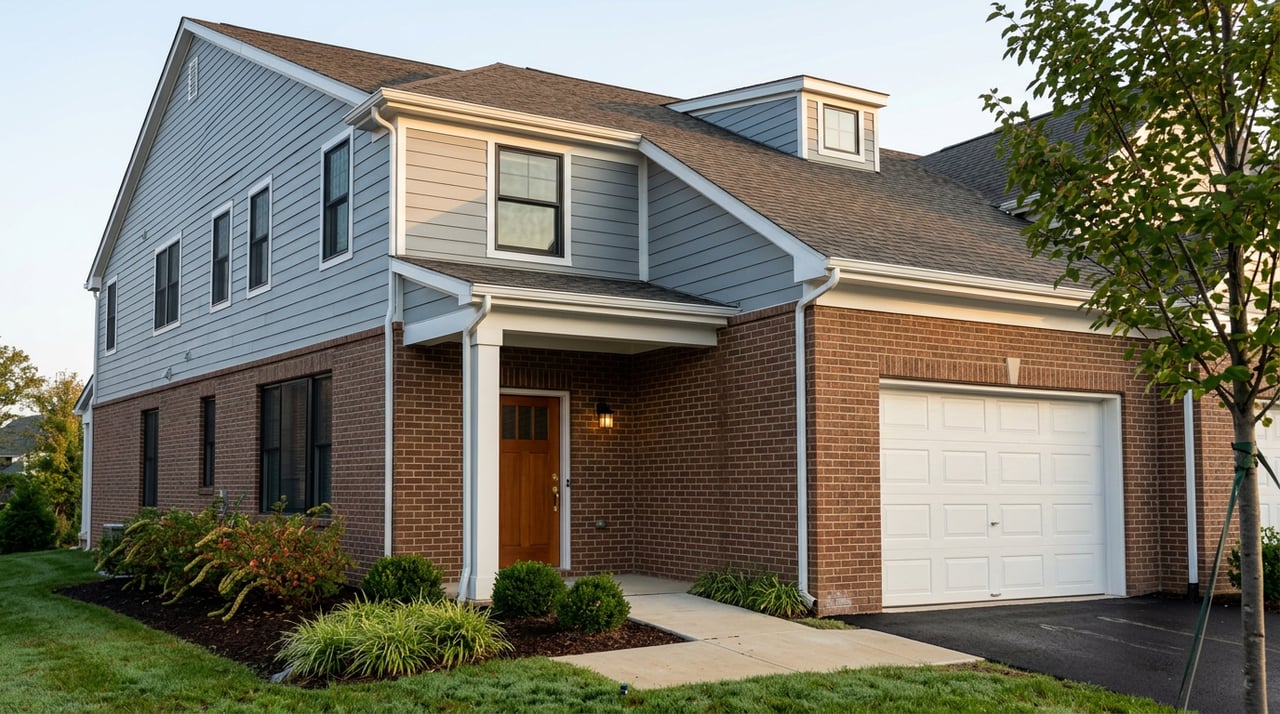
- A move-in-ready condo in River View Estates, one of the area's most desirable condominium communities, offering 2500 sf of living space with an open floor plan, or a garden unit in Cherry Hill Estates, sidesteps most of this by being newer and by having the association hold the exterior. That is worth something the portal will not price.
- The city offers help. Holyoke provides financial assistance for deleading through the Neighborhood Improvement Program and the Rental Neighborhood Improvement Program, and RevitalizeCDC is funded with Holyoke CDBG and ARPA funds to create healthy homes including lead abatement. Whether you qualify depends on income and property type, but the programs exist and are worth calling about before you write the offer, not after.
The Appleton signal, and why it matters for resale
Downtown Holyoke's thin-volume, high-percentage price swing did not come out of nowhere. The single largest recent piece of downtown housing news is the $55.3 million adaptive reuse that transformed a long-vacant, historic mill complex into 88 affordable apartment homes for seniors ages 55 and older, featuring new loft-style apartments created within three interconnected, 120-year-old industrial buildings that had been vacant for decades. Residences on Appleton, in the old Farr Alpaca Mill, reached full occupancy in December, less than three months after it opened.
Read that as a demand signal, not a supply one. Eighty-eight senior units filling in ninety days tells you that downtown Holyoke, walkable to the Canal Walk and the Heritage State Park, has more absorption capacity than the citywide inventory numbers suggest. It also tells you what the city is willing to underwrite: the project was assembled with state and federal Low Income Housing Tax Credits authorized by the Massachusetts Executive Office of Housing and Livable Communities, state and federal Historic Tax Credits awarded by the Massachusetts Historic Commission and the U.S. National Park Service, and tax-exempt bonds from MassHousing. That is a stack that keeps repeating. If you are buying a two- or three-family in the canal district as a hold, the neighbor across the street is likely to be a stabilized, professionally managed building rather than a vacant hulk.
That is the resale story a citywide median cannot tell you.
How to price this in before you write an offer
- Get a lead inspection during your contingency window on any pre-1978 Holyoke home. The $300 to $800 buys you a scope, not a hope.
- Read the Property Transfer Lead Paint Notification before you sign the P&S. If you have a child under six or plan to, model the 90-day delead cost into your offer, not your closing statement.
- Look at Highlands and downtown as two markets. Compare a College Streets single-family to Longmeadow or Easthampton stock, and compare a canal-district multi-family to Chicopee or Springfield multis. Averaging them is what the portal is doing wrong.
- Ask which units are certified lead-free or carry a Letter of Compliance. In Holyoke, that certificate is a real line item on value.
FAQ
Does the Lead Law apply if I do not have kids? The 90-day delead requirement is triggered by a child under six residing in the home. Disclosure, however, still applies to any pre-1978 sale, and strict liability follows the property if a child later moves in.
Is the citywide median down or up in Holyoke right now? Both, depending on the source and the month. Redfin's February 2026 read showed the median down year over year, while Zillow's May 2026 index showed the typical home value up year over year. Read them as two views of a market with low transaction volume and a wide spread between sub-neighborhoods.
Can I waive the lead inspection to compete on offer terms? You can, and buyers in tight markets sometimes do. The trade you are accepting is that any hazards discovered after closing are your bill, on a 90-day clock if a young child is in the household.
If you are weighing a Highlands single-family against a downtown two-family, or trying to figure out what a Holyoke offer should actually look like after the lead work is priced in, Suzi Buzzee will walk the property with you, read the disclosure packet line by line, and build the numbers before you sign. Get your free home valuation and let's talk about what your money really buys here.