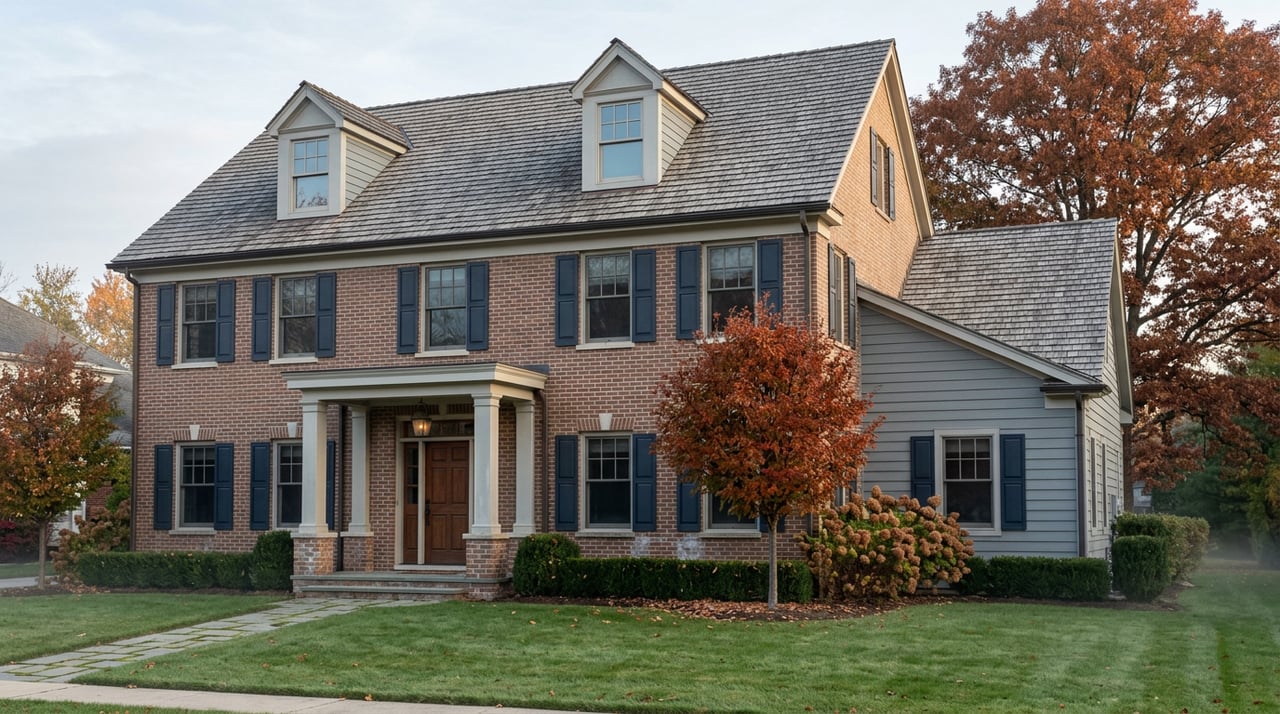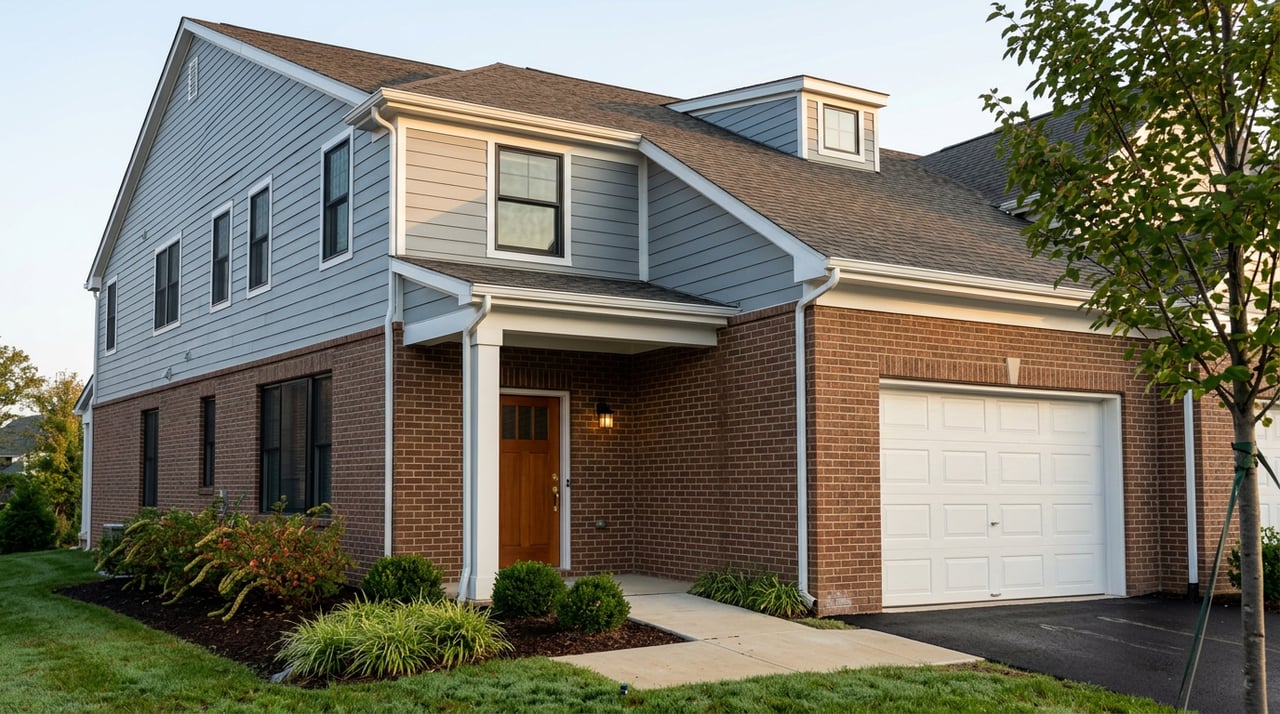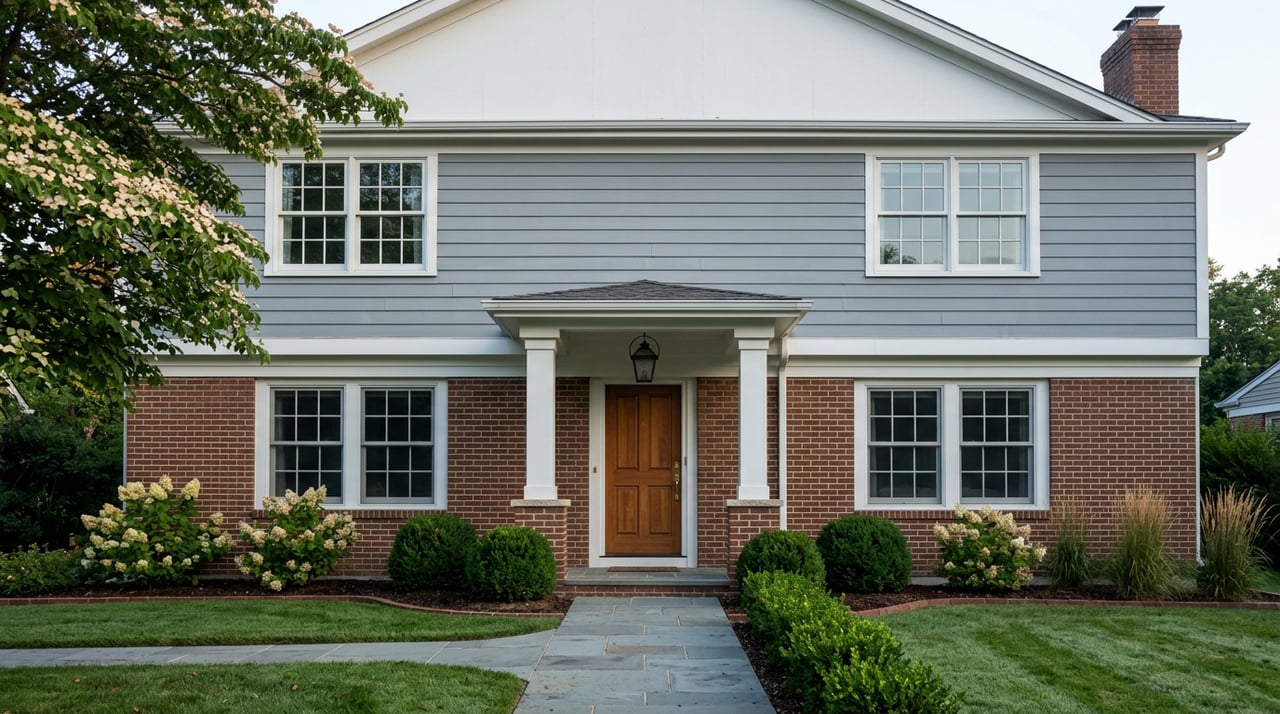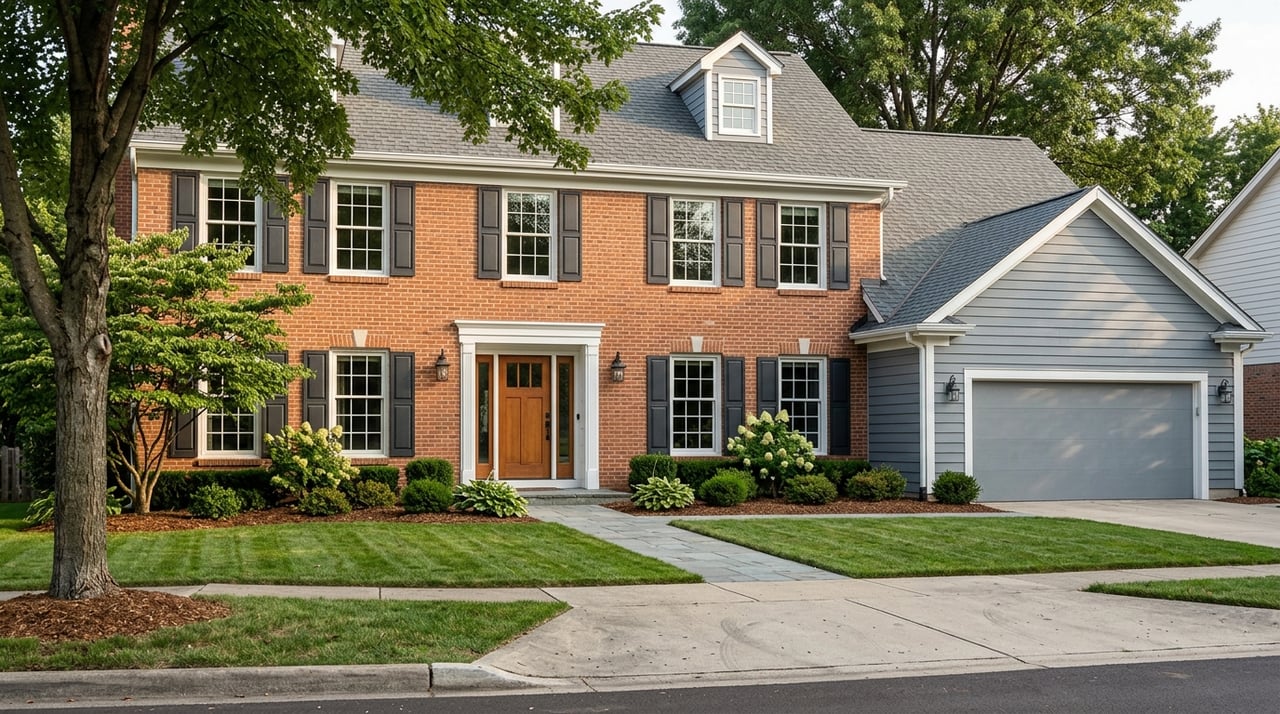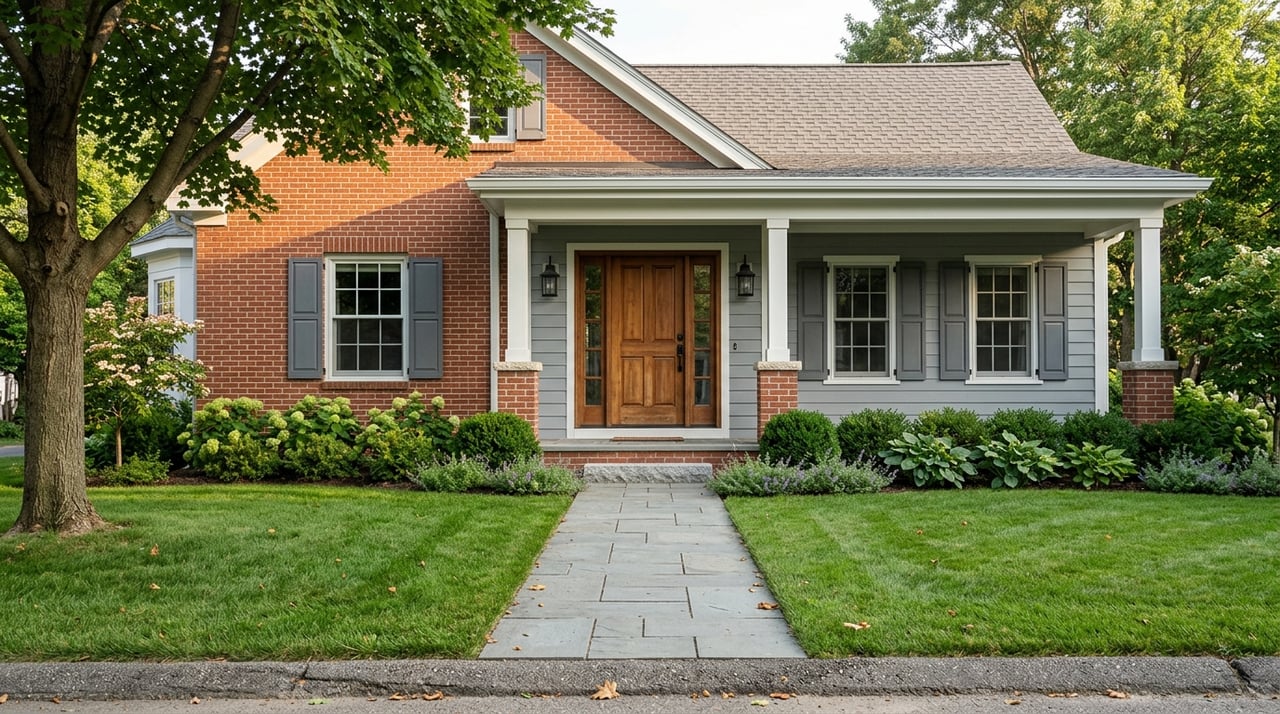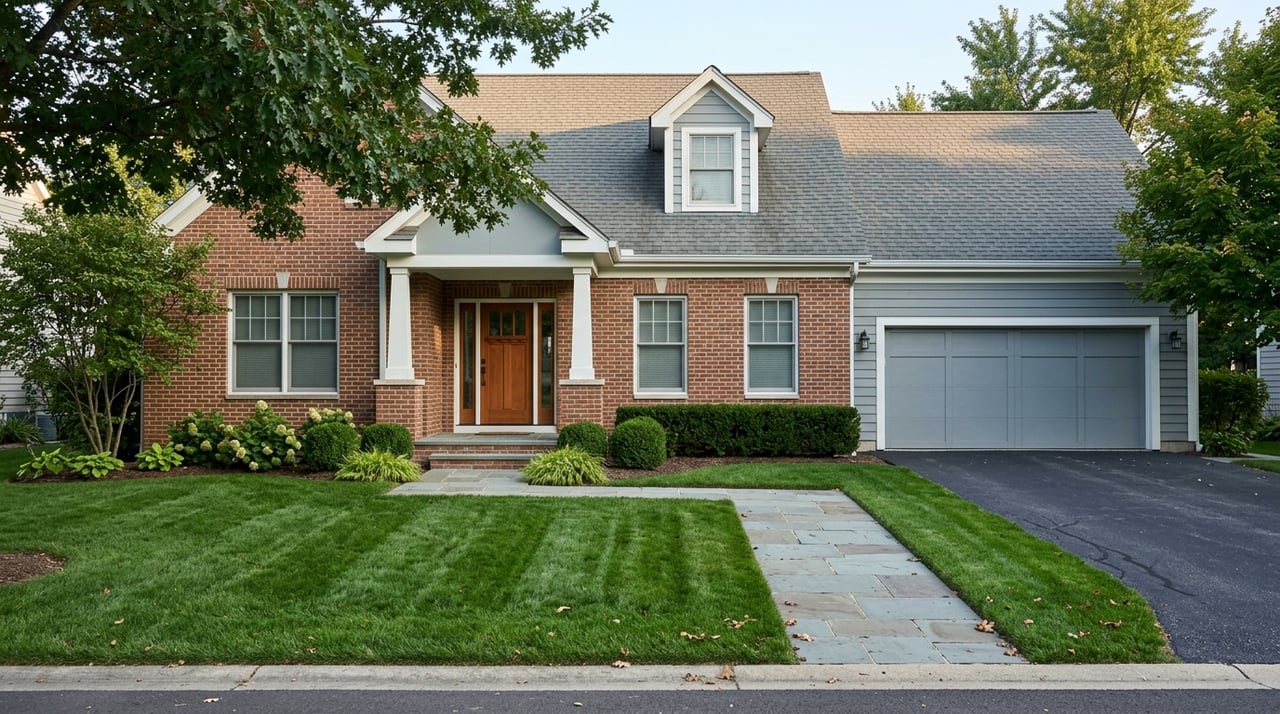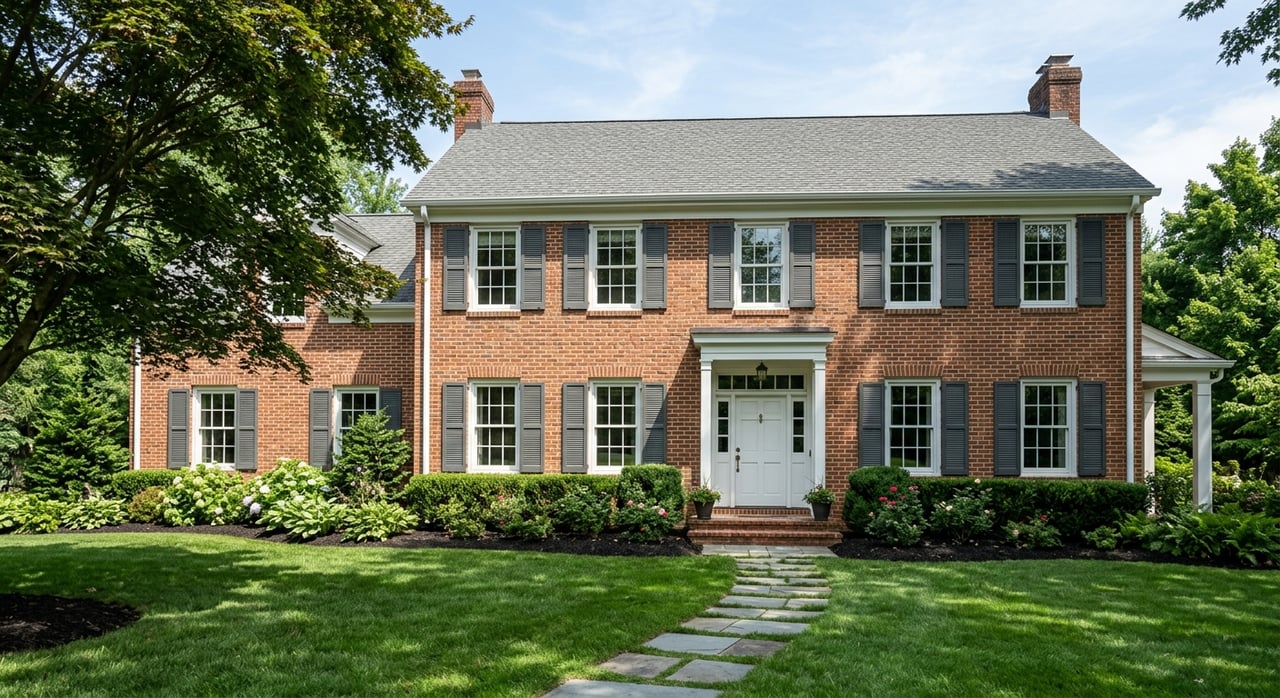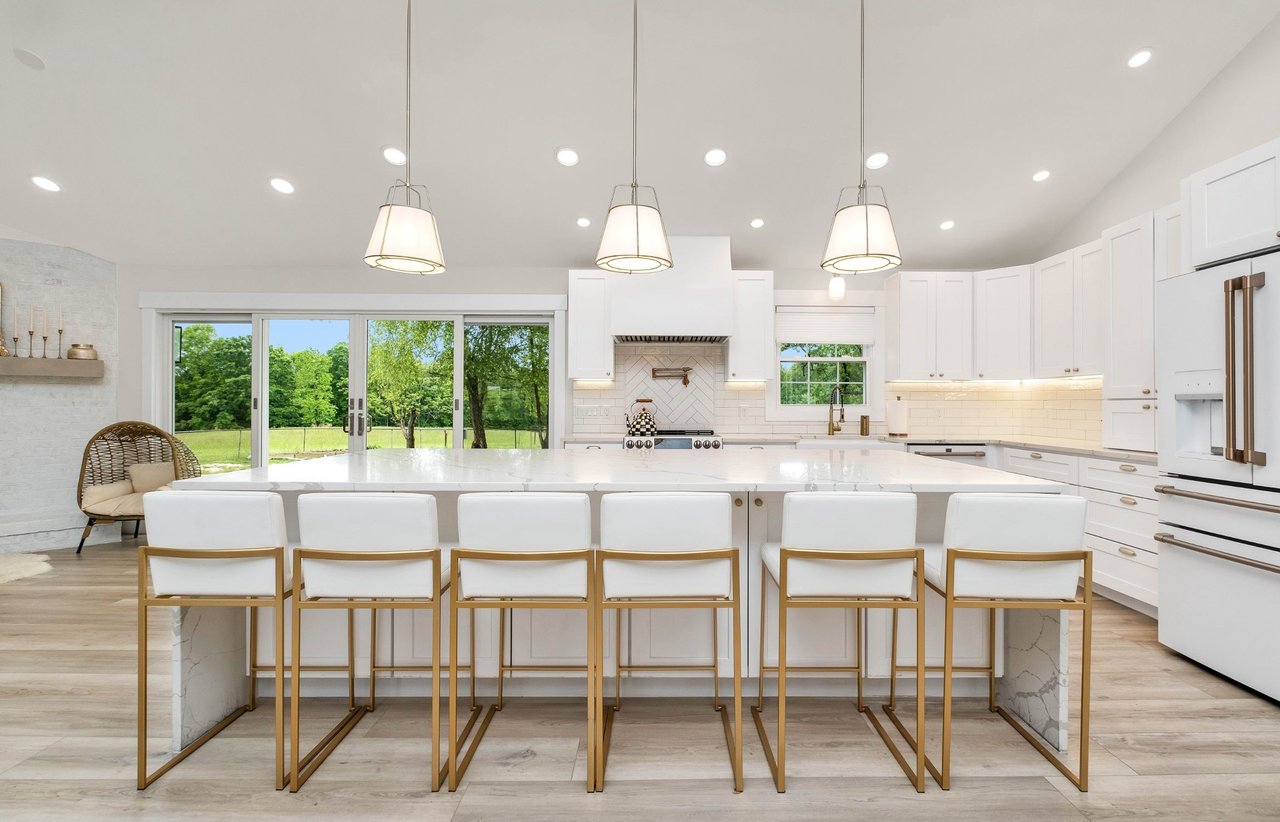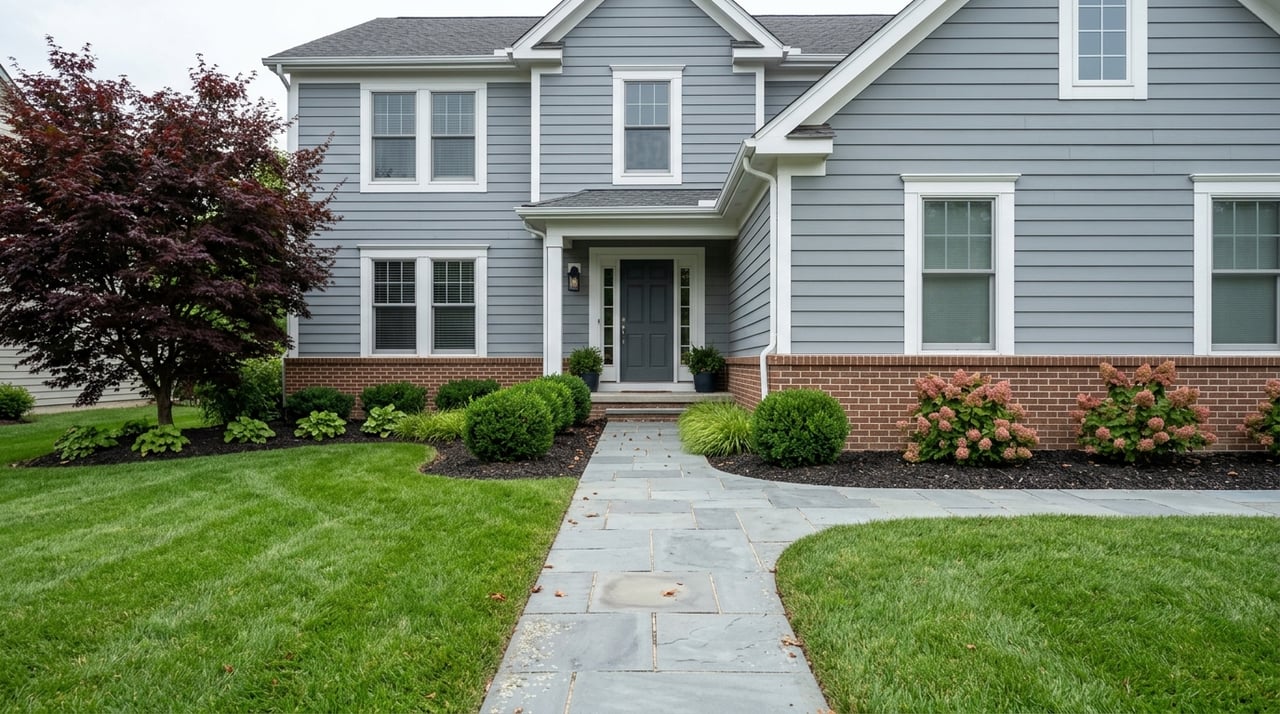
A buyer I talked with this summer had two printouts side by side on her kitchen table. One was a Colonial in Longmeadow, the other a comparable house a few minutes east. She had circled the annual tax figure on each, subtracted one from the other, and written the difference in the margin. It was a sensible thing to do. It was also, this particular August, close to meaningless.
Both of those numbers are true. Neither of them describes what those two houses will cost to hold five years from now, because the two towns are standing at opposite ends of the same cycle. East Longmeadow has already absorbed the tax increase from its high school building project. Longmeadow has voted for a middle school and has not yet started paying for it. Subtract one current tax line from the other and you get a number that points the wrong direction.
The figure on the listing sheet is older than it looks
Massachusetts assessments run on a lag that surprises almost everyone the first time they see it. Longmeadow's online assessment database says the values behind Longmeadow's fiscal 2026 tax bills reflect full and fair cash value as of January 1, 2025, built from sales that happened during calendar year 2024. A buyer writing an offer in August 2026 is looking at a valuation drawn from a market roughly two years behind the one she is competing in.
The instinct that follows is usually wrong in a helpful way. Buyers assume that paying well above assessed value will trigger a reset and a higher bill. Under Proposition 2½, a community's total levy can only grow by 2.5 percent over the prior year's limit, plus new growth from construction and improvements, plus any voter-approved overrides or exclusions. When assessed values across a town rise faster than the levy, the rate falls to compensate. That is why the Division of Local Services found assessed values up a median 6 percent statewide for fiscal 2026 while levies rose a median 4.2 percent.
So a rising assessment, by itself, is not the thing to watch. The thing to watch is what sits outside the 2.5 percent limit. That is where debt exclusions live, and that is where these two towns part company.
East Longmeadow already took the hit
East Longmeadow is the cleaner illustration because the increase has already appeared on real bills. The town's residential rate went from $18.48 per $1,000 in fiscal 2025 to $19.43 in fiscal 2026. At the same time, the assessors reported that the average single-family value rose about 6 percent, from $392,900 to $418,200.
Ordinarily those two things do not happen together. When values climb, the rate usually drops. This time both went up, and the town said plainly why: the average single-family bill rose $864.84, and roughly 83 percent of that increase traces to bonding for the high school and natatorium debt exclusion. Reminder Publishing's coverage of the November 2025 classification hearing put the average bill increase at 10 to 11 percent, with Director of Assessing Diane Bishop cautioning that the rate was not final until the state signed off.
The levy arithmetic is worth seeing once. East Longmeadow's fiscal 2025 levy limit was $53.21 million. Adding the allowed 2.5 percent and new growth brought it to $55.53 million. The first year of high school debt added $5.57 million on top, for a maximum levy of $61.1 million. The town budgeted $59.17 million and left about $1.9 million in excess capacity unspent.
Two things follow from that. The debt piece is temporary and declines over the life of the bond. And the $1.9 million the town chose not to levy is real headroom, not a rounding error.
Longmeadow's increase is scheduled, not applied
Reminder Publishing reported that on September 30, 2025, Longmeadow voters approved a Proposition 2½ debt exclusion for a $151.59 million consolidated middle school by a margin of 2,130 to 1,360. The Massachusetts School Building Authority will reimburse $54.8 million, leaving $96.8 million to local taxpayers. At Town Meeting, Town Manager Lyn Simmons put the impact at roughly $247 per $100,000 of property value, declining in subsequent years and ending entirely once the bond is repaid. For context, the town's median value was $596,300.
The timing matters when comparing current bills with the coming debt cost. Town officials told WWLP the increase begins in fiscal year 2028. The fiscal 2026 bill on the assessor's card today, and the fiscal 2027 bill that follows it, contain none of it.
The project is not hypothetical. Reminder Publishing reported that enabling work began in June 2026, with the first equipment and fencing arriving June 8 and Phase 1A running through August 22: mobilization, utility relocations, a new driveway, and off-site Williams Street improvements including road widening, drainage, and line painting. Remaining site utility and demolition work continues into September and October, with Fontaine's phasing plan targeting access and sidewalk improvements before the school year. Completion is expected in fall 2028. If you tour a house near 410 Williams Street this autumn, you will see the construction. You will not yet see it on the tax bill.
| East Longmeadow | Longmeadow | |
|---|---|---|
| Already in the current bill | High school and natatorium debt, first year applied in FY2026 | Operating levy and older debt only |
| Not yet in the current bill | Nothing major pending | Middle school debt, beginning FY2028 |
| Reported impact | Average bill up $864.84, about 83% from the bonding | About $247 per $100,000 of value in year one |
| Direction from here | Declines over the life of the bond | Declines, then ends |
For scale, the statewide average single-family tax bill for fiscal 2026 was $8,113 on an average value of $742,986, with the median of community averages at $6,829.
Why the whole levy lands on houses
Longmeadow's residential rate has been consistently among the highest in Massachusetts. In fiscal 2025 it was $21.12 per $1,000, up from $20.68, and the average single-family homeowner at a value of $502,755 owed about $227 more than the year before.
The reason is structural rather than political. Reminder Publishing reported that Longmeadow taxes at a single rate, and roughly 93 percent of the town's property is residential. Principal Assessor Maria Cataldo has recommended against a split rate on the grounds that shifting the burden onto a very small commercial base spreads a thin benefit across many homeowners while landing hard on a few. Select Board member Mark Gold has argued the other way, pointing to the sale of The Longmeadow Shops for $30.4 million against a 2022 assessed value of $20.2 million. Cataldo noted six demolition or remodel permits pending at the time of that sale and said the property now carries a $29 million assessment. Cutting the other direction, a Dwight Road office building assessed at $10 million sold for $5 million and the owners received an abatement.
East Longmeadow reached the same conclusion from its own numbers. With 83 percent of property residential, Bishop calculated that shifting half the burden to commercial and industrial payers would trim the average residential bill by $811 while raising commercial bills by roughly $10,000, and she did not recommend it.
One more piece of context that gets misread often. S&P Global Ratings reported that Longmeadow's rate sits near the $25 per $1,000 levy ceiling. Longmeadow's FY 2022 budget report explained that excluded debt is not counted toward that ceiling and noted that, in an earlier year, the comparable rate would have been $22.89 once an estimated $2.58 of excludable debt was set aside.
A debt exclusion is the one part of your tax bill with an end date. That is genuinely different from a permanent operating increase, and it deserves to be modeled differently.
What that is worth against the price negotiation
WWLP's July 2026 regional report showed Pioneer Valley single-family sales up 3.1 percent year over year, from 488 to 503, while the median sale price fell 3.6 percent from $399,500 to $385,000. In Hampden County, sales were essentially flat at 324 and the median slipped 2.2 percent to $357,000.
Read that plainly: prices softened slightly, volume held. Your leverage on price this fall is modest. Meanwhile the gap between two towns' carrying costs over the next several years can run well into four figures a year. On monthly cash flow, a four-figure annual tax difference behaves like tens of thousands of additional principal, and unlike principal you cannot refinance it away. What you can do is know its shape in advance: when it starts, how it declines, and when it stops.
Before you write the offer
- Pull the actual tax bill and assessed value for the specific parcel, not a town average. Averages are for budget hearings, not offers.
- Ask which exclusions are already inside the current rate and which have been voted but not yet borrowed. Those are two different answers.
- Model your own parcel. Longmeadow posts an assessed-value calculator alongside its middle school building project page.
- Confirm the installment schedule for proration at closing.
- Note the abatement window. East Longmeadow's FY2026 tax notice says the deadline was February 2, 2026 at 4 p.m., tied to the mailing of the actual bill rather than to your closing date.
- If you or a family member may qualify, ask about statutory personal exemptions. Longmeadow's Board of Assessors says the town offered three for fiscal 2026, for blind residents, low-income elderly residents, and veterans with disabilities, with applications due at the end of March.
None of this is tax or legal advice, and figures change once the state certifies a rate. Confirm anything you plan to rely on with the assessors in the town you are buying in.
Questions buyers actually ask
Does the middle school debt ever come off the bill?
Yes. A debt exclusion covers debt service for the life of the bond and then ends. The town's estimate has the impact highest in the first year and declining after that. East Longmeadow's assessors described the same pattern for their high school debt.
Should I just buy in East Longmeadow instead?
Sometimes the answer is yes, and sometimes the houses are not comparable enough for the tax line to be the deciding factor. The honest version is that you should compare the two towns on where each sits in its debt cycle, not on this year's snapshot, and then let the house and the commute break the tie.
Reading a tax bill correctly is one of those small, unglamorous pieces of preparation that quietly protects a decision worth several hundred thousand dollars. If you are weighing Longmeadow against its neighbors this fall, Suzi Buzzee will sit down with the actual parcel data, walk you through what is already in the bill and what is coming, and handle the rest of the details so you can live your life while she changes your address. Get your free home valuation to start the conversation.