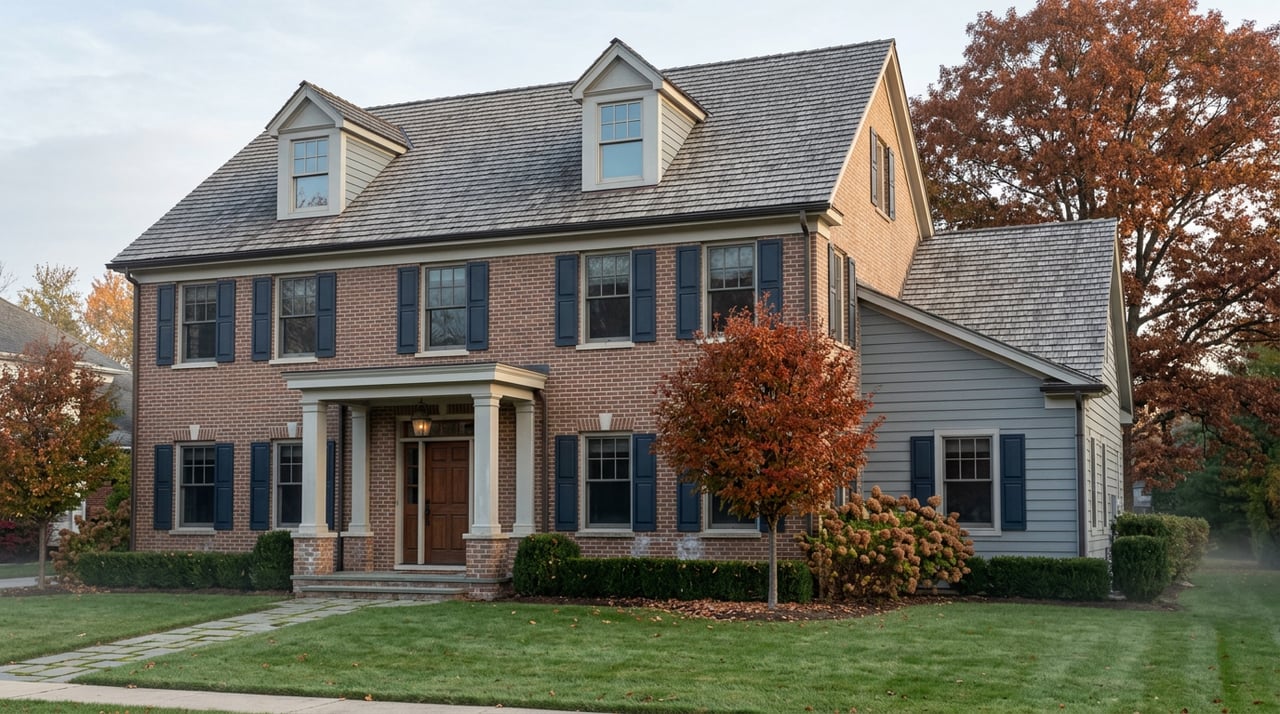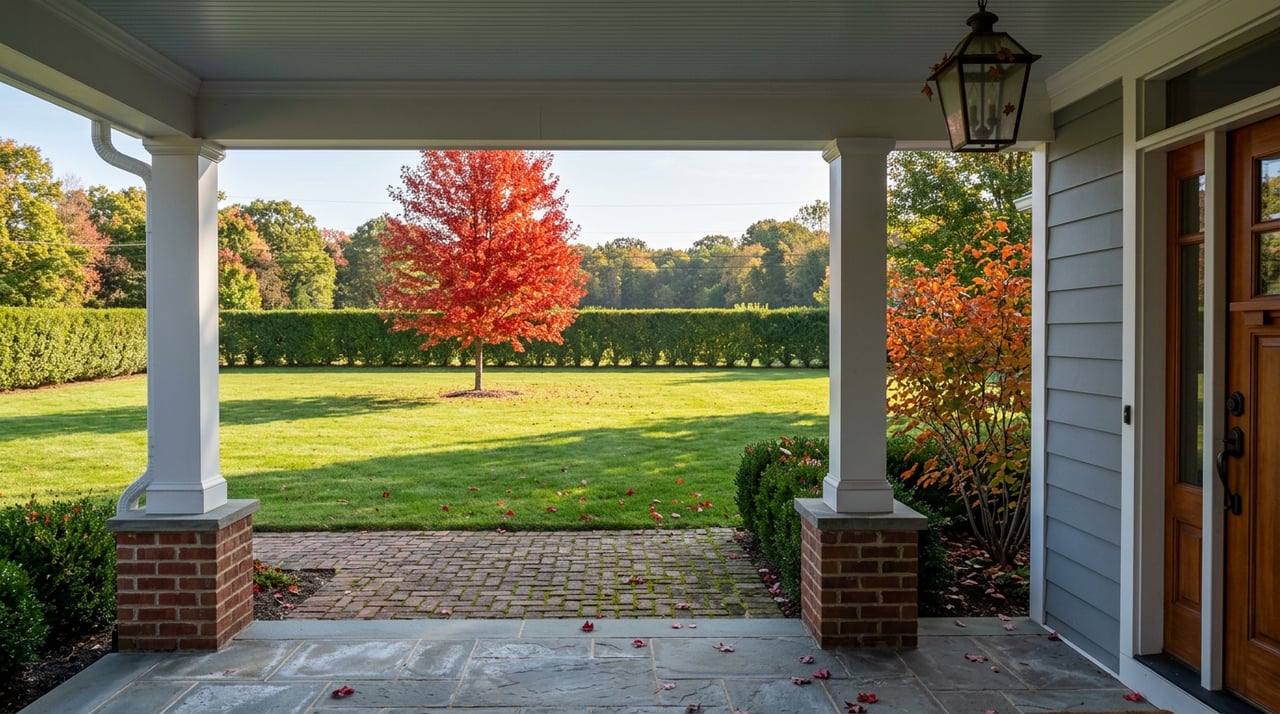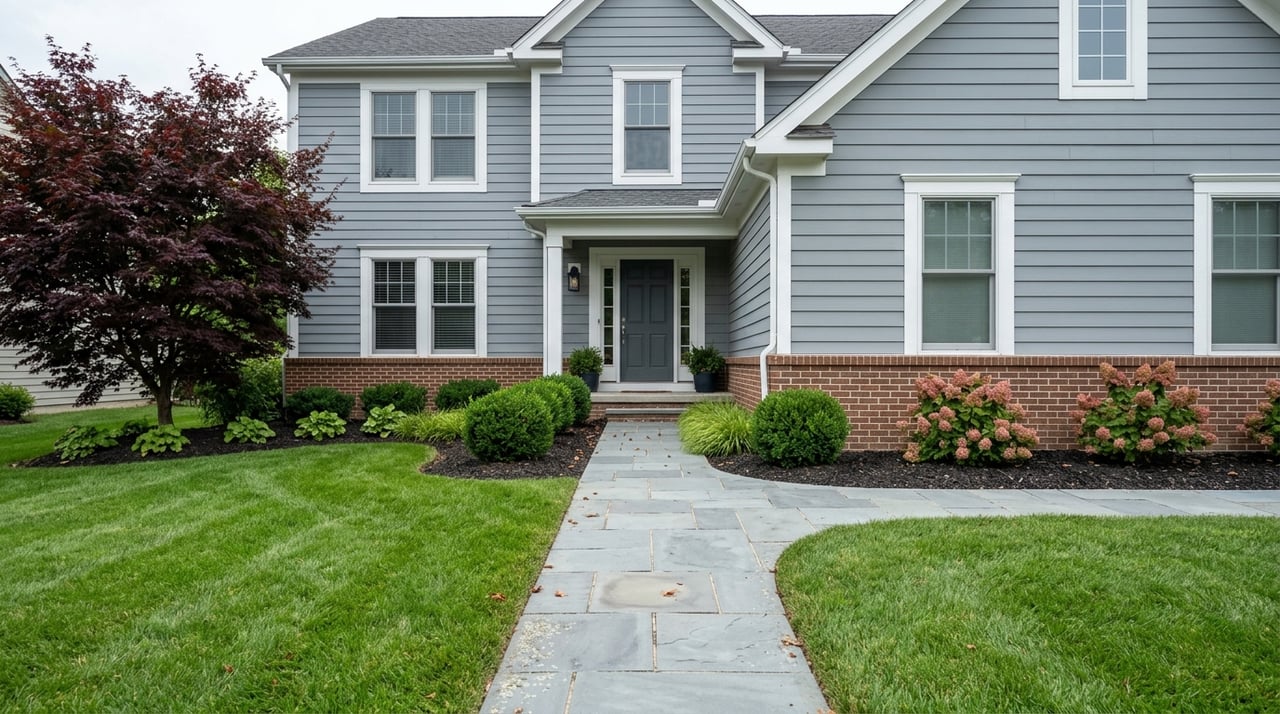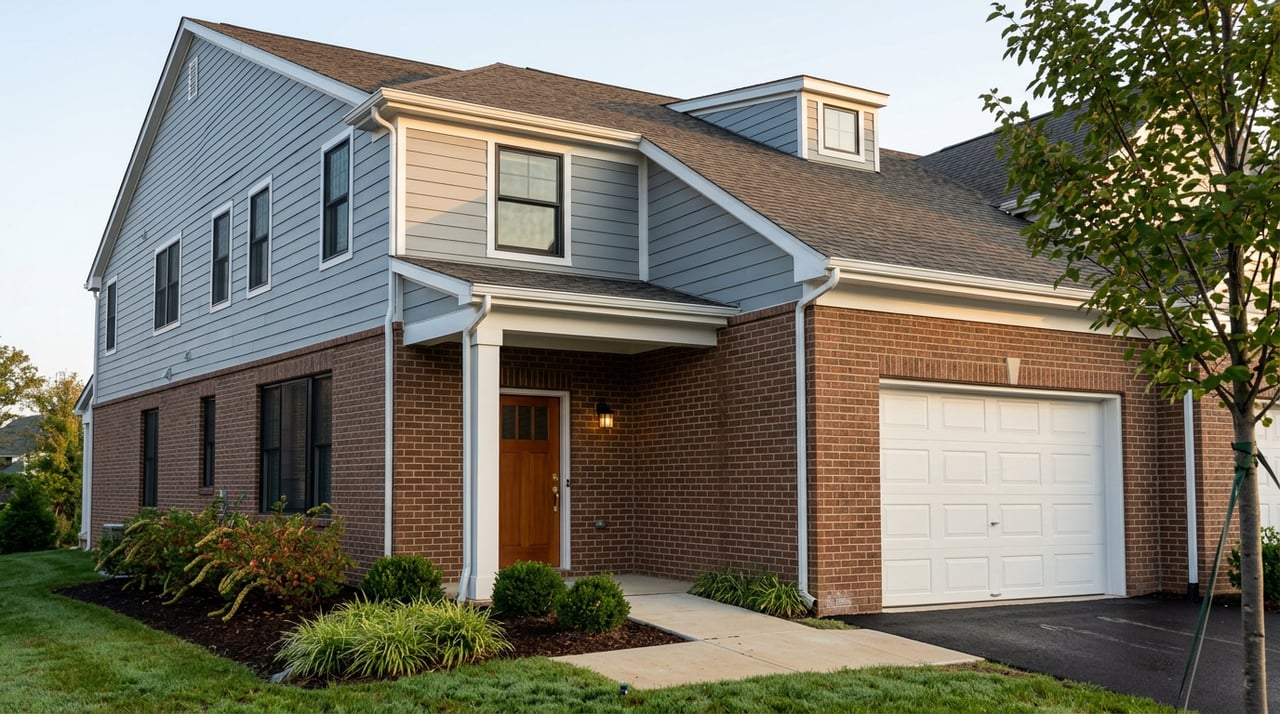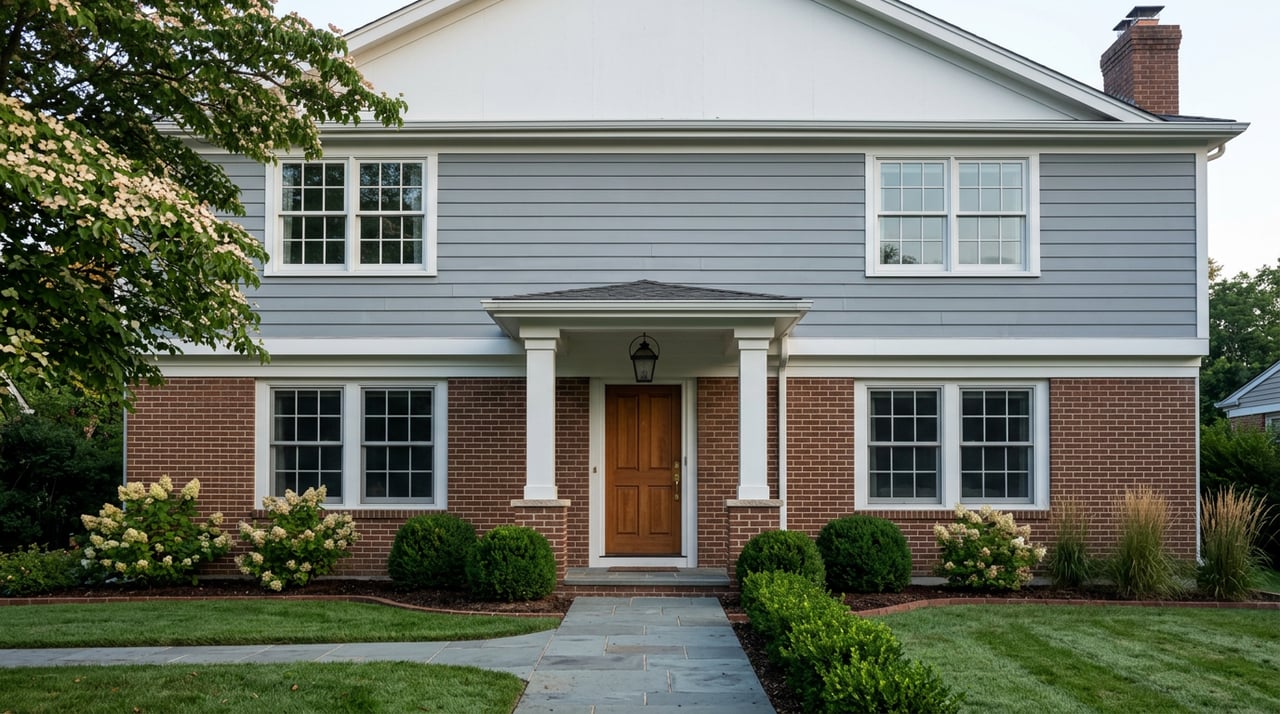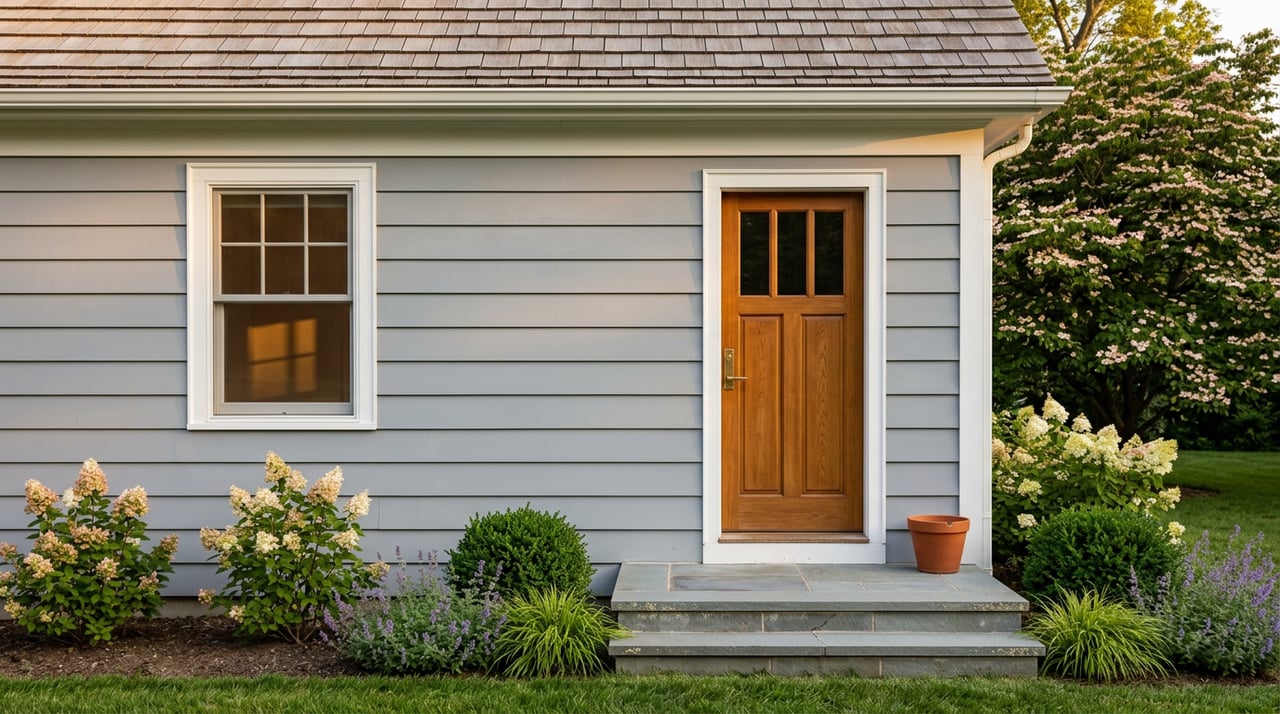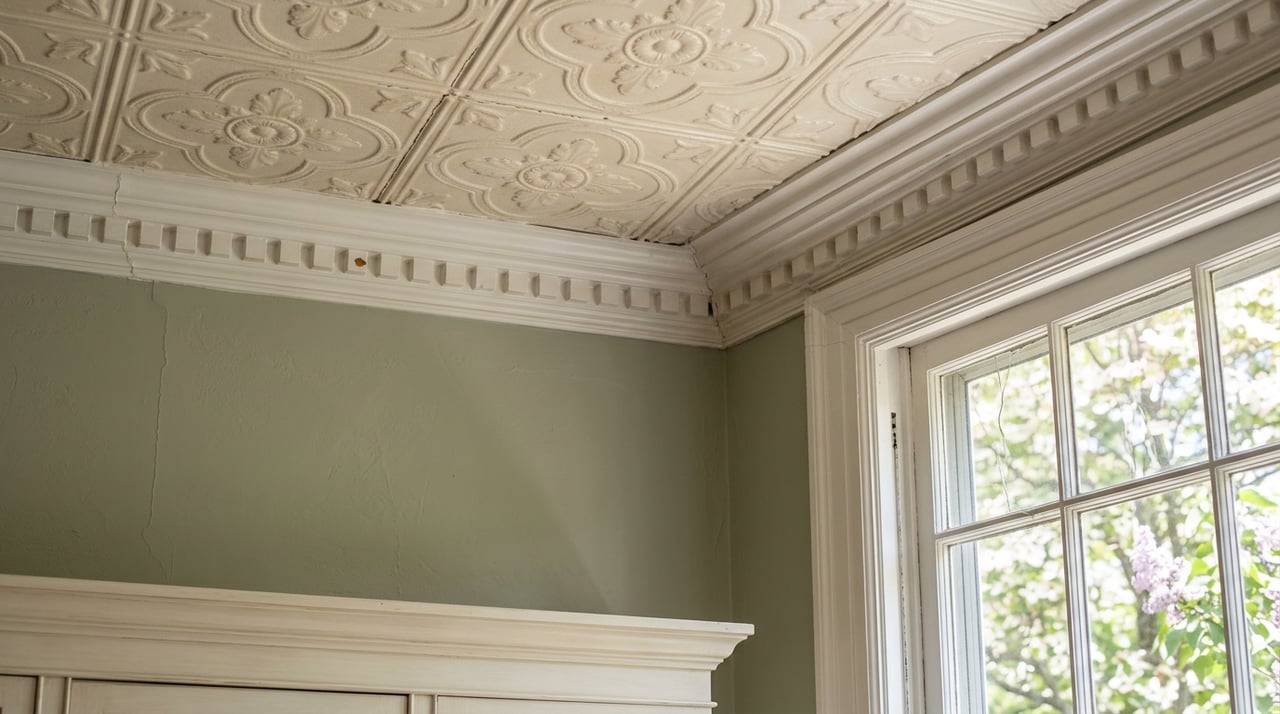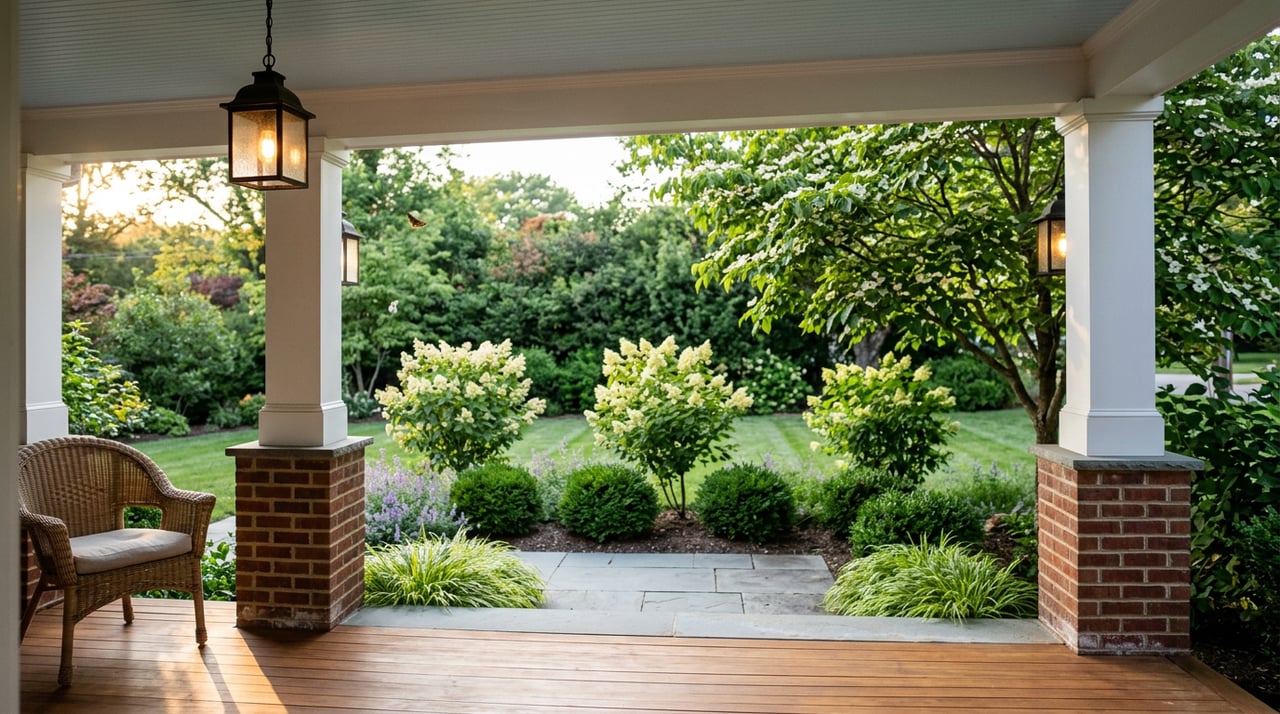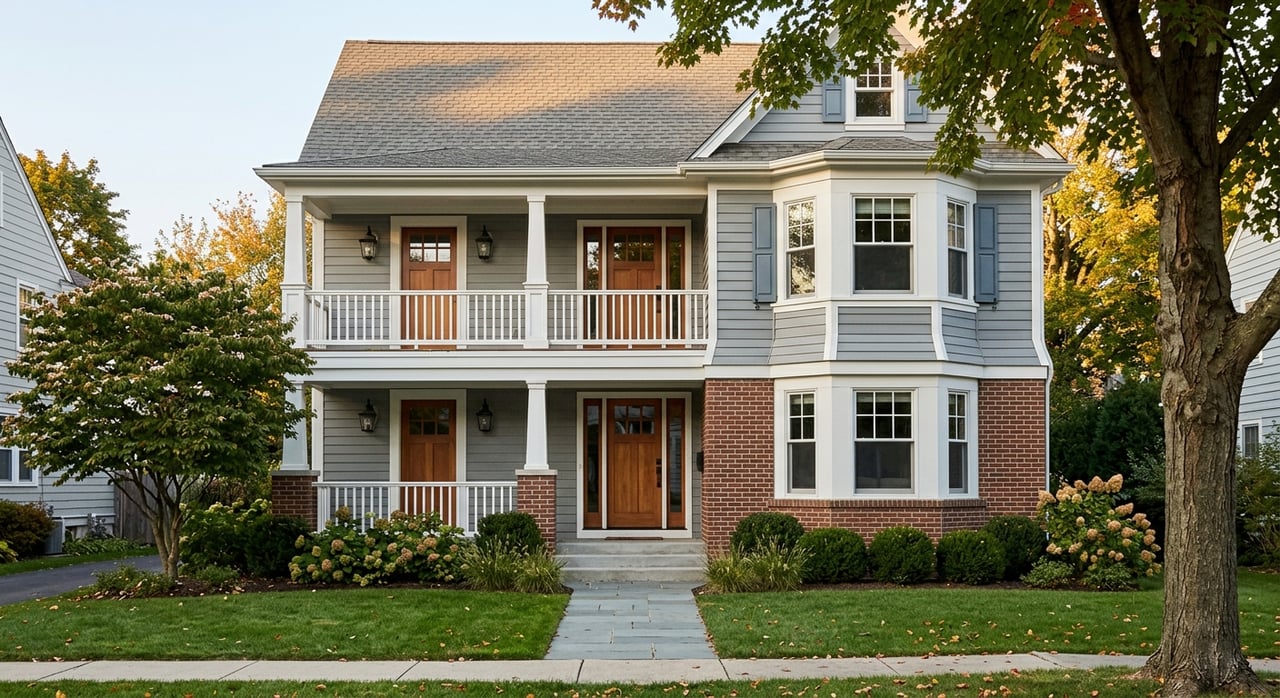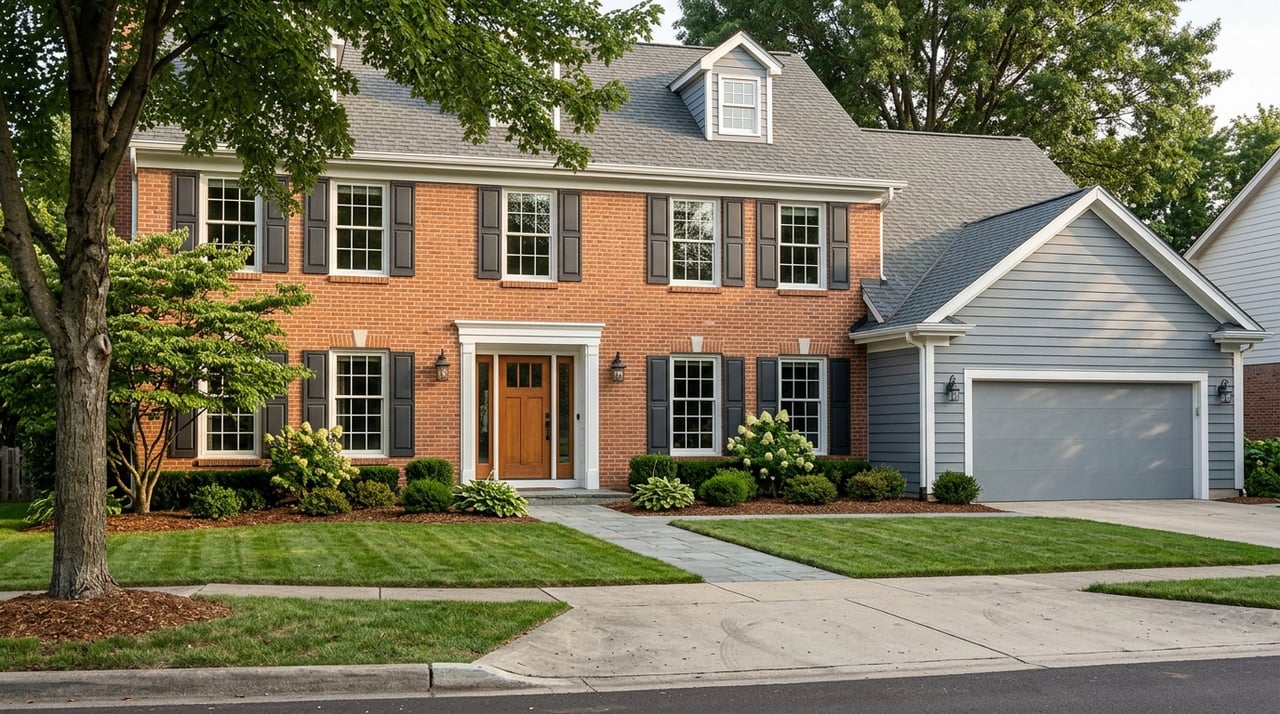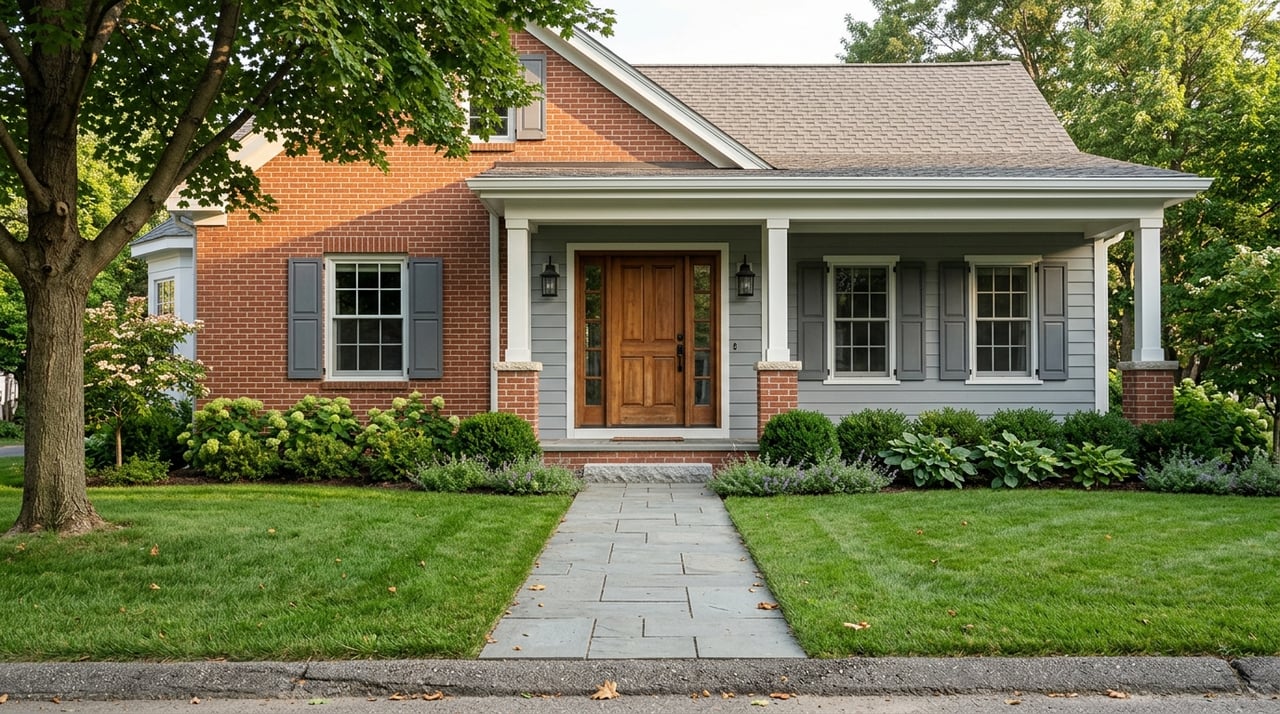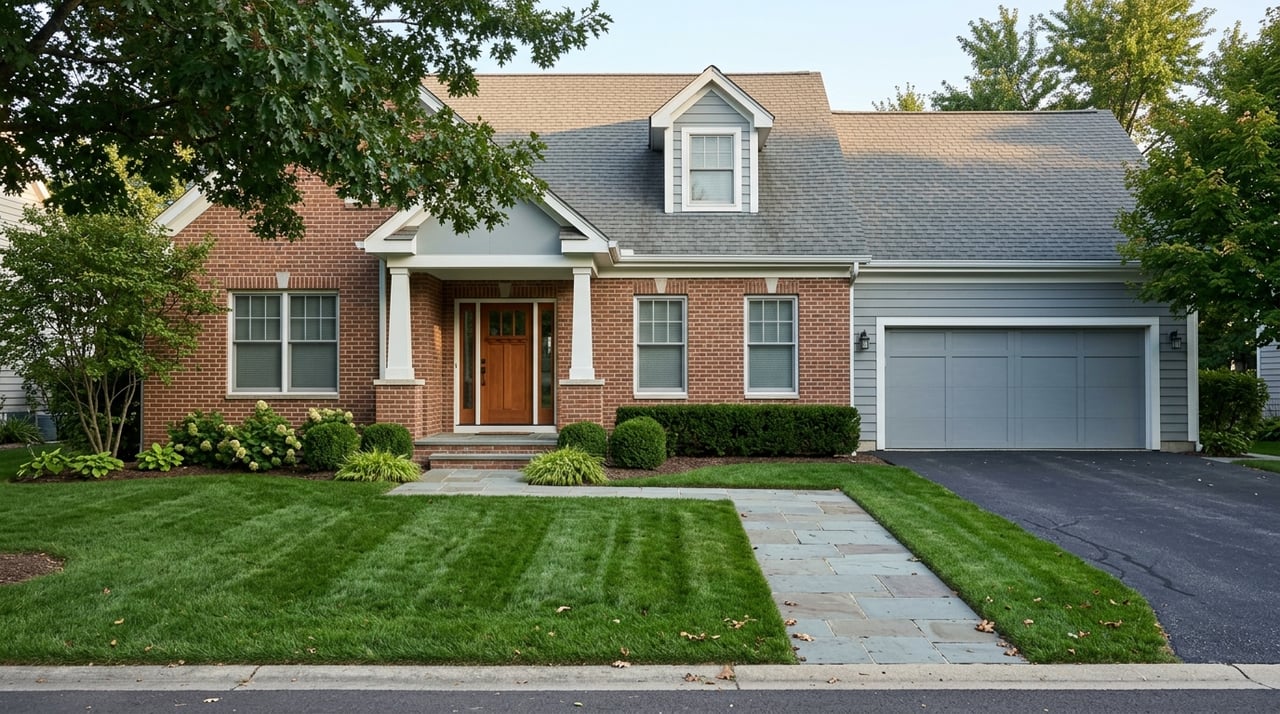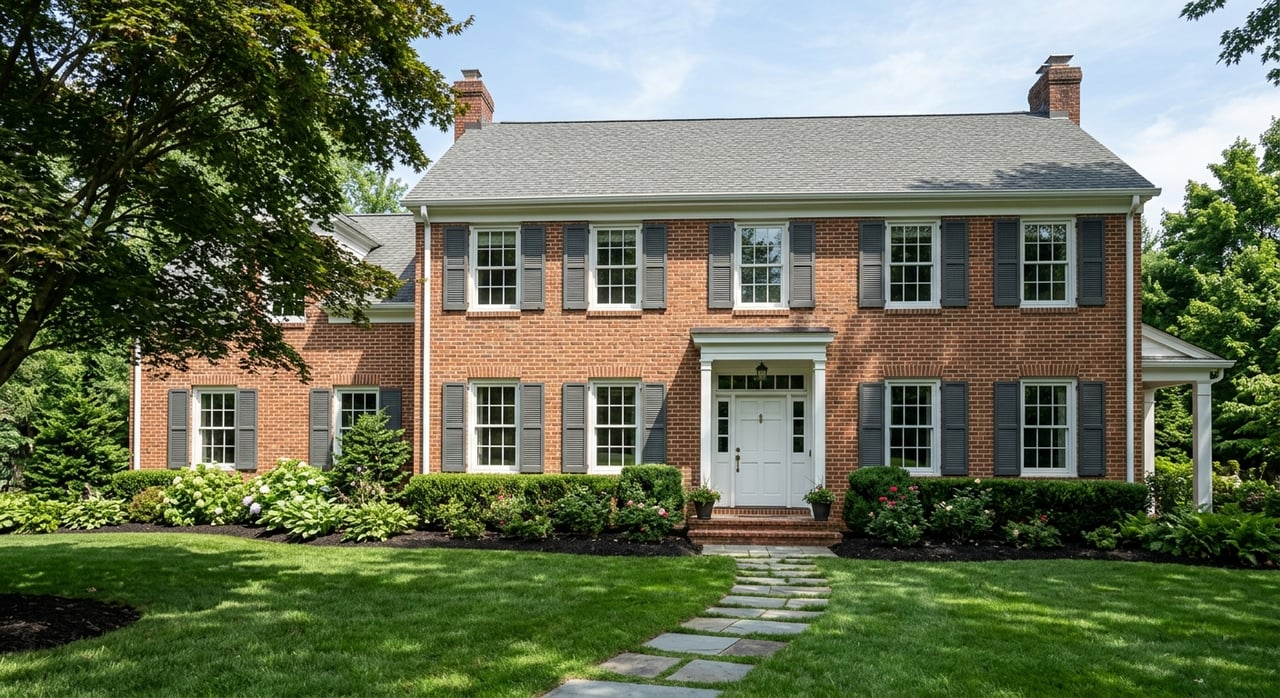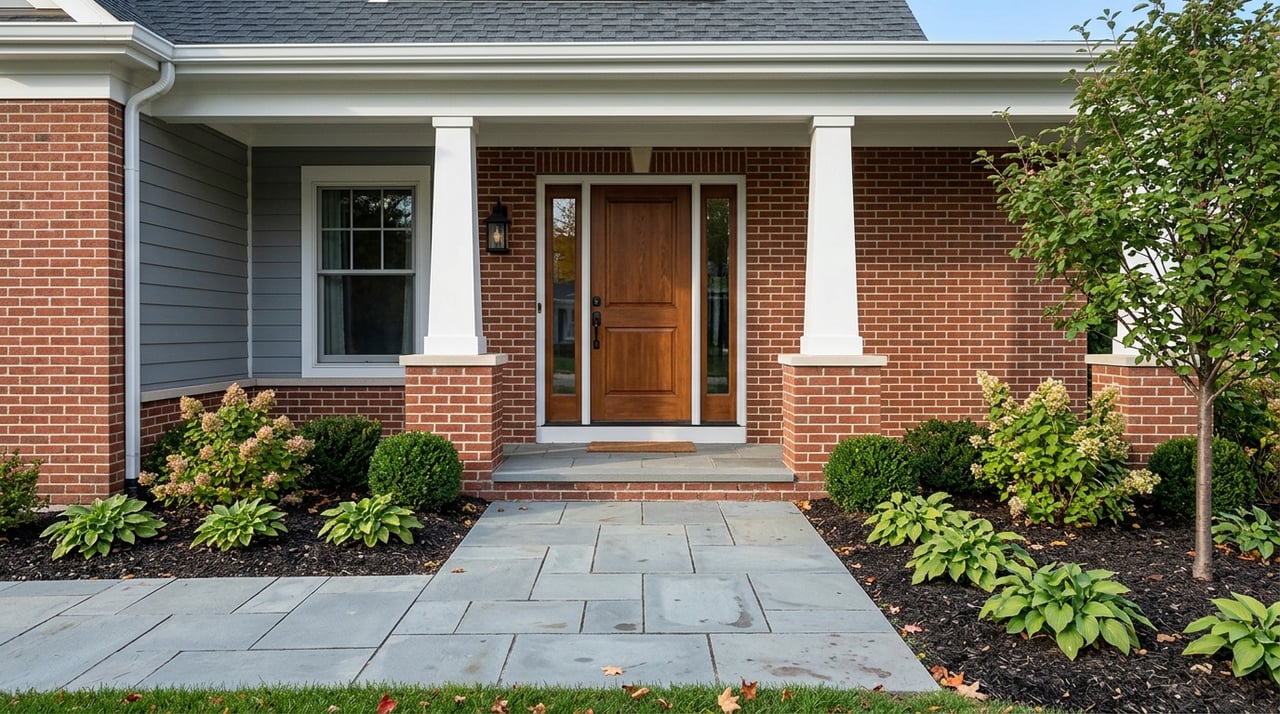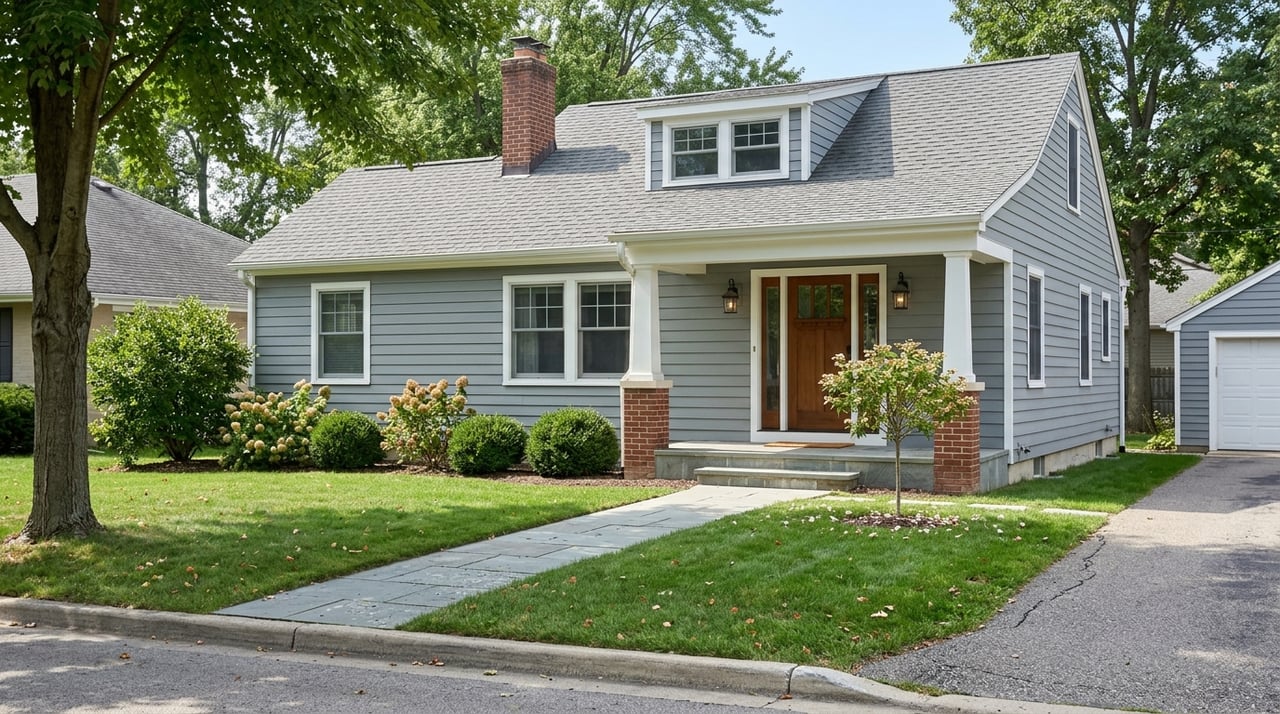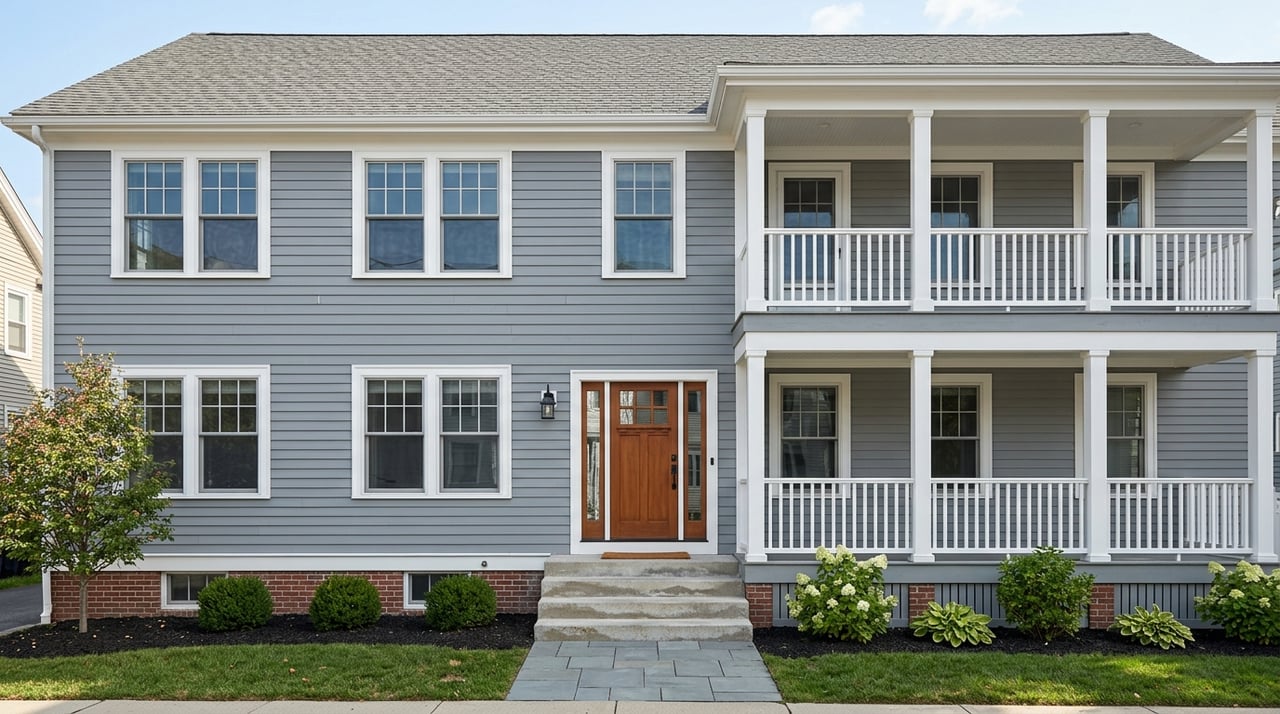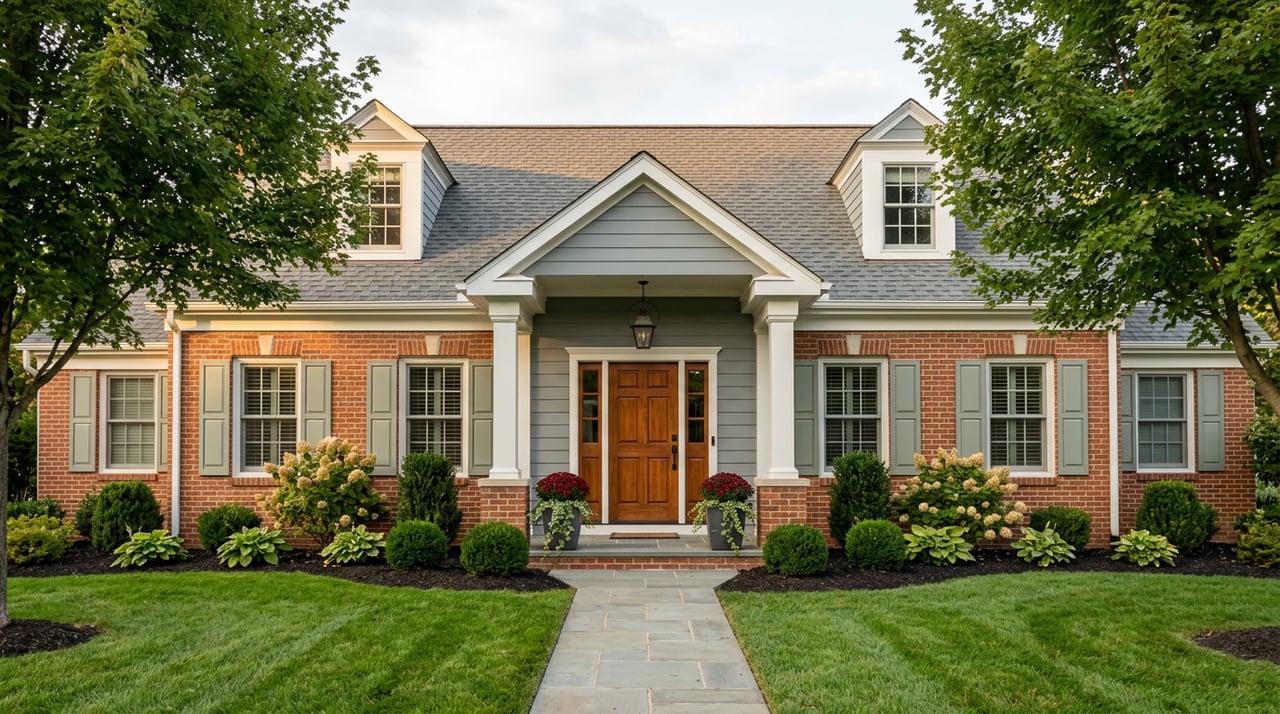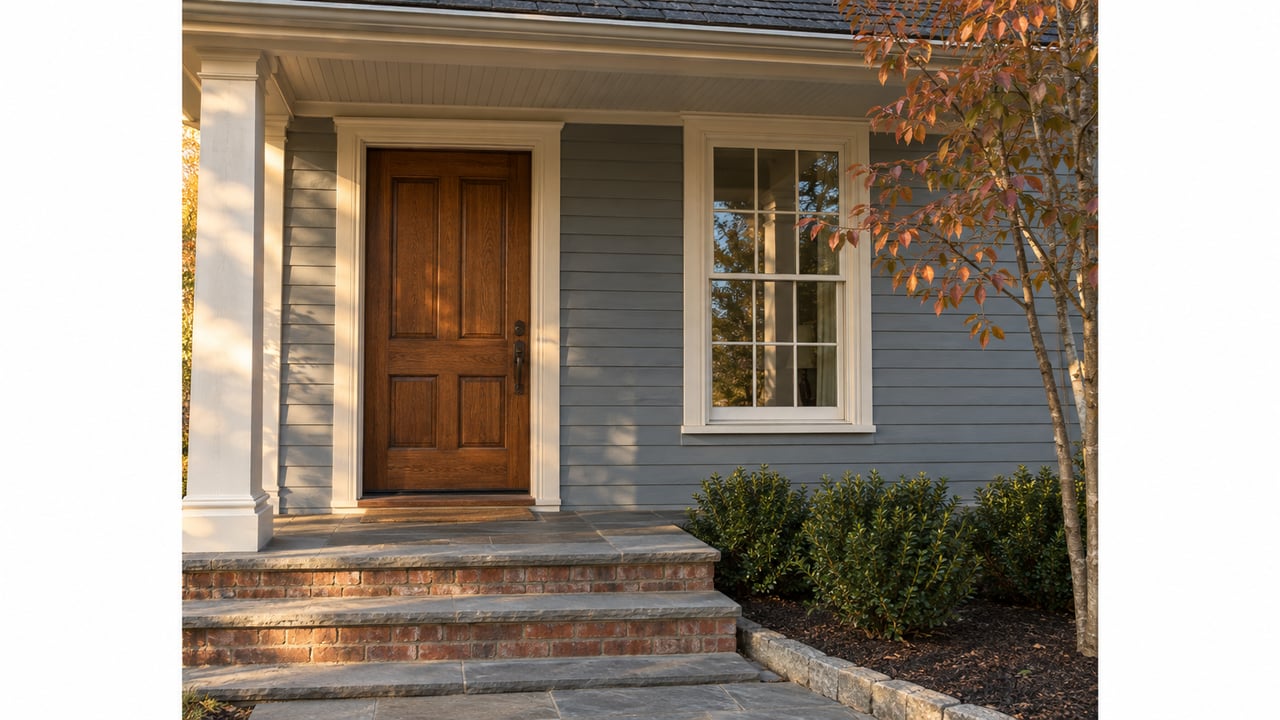
A Victorian on a McKnight street corner and a triple-decker three blocks over in Six Corners can look like the same kind of purchase. They are not. One of them comes with a City Hall relationship that starts the moment you want to replace a window, and most buyers do not find that out until they are standing at the permit counter with a contractor's quote in hand.
Springfield has thirteen local historic districts. Anyone shopping for character architecture in the city, whether it is a single-family rehab or a small multi-family for a rental portfolio, needs to know which parts of a renovation plan are theirs to make and which ones require a certificate from the Springfield Historical Commission first.
What the commission actually controls, and what it doesn't
The Springfield Historical Commission says any exterior architectural feature visible from a public street or park is protected, and approval has to come before the work starts, not after.
The city's own ordinance carves out specific exemptions to that rule, and this is the detail most renovation plans get wrong in one direction or the other. The Commission's own application has a dedicated worksheet for solar projects, complete with renderings and photos of the existing roof, because that is a change the Commission reviews.
So a buyer planning a visible exterior renovation should check the certificate process before setting a timeline.
Three certificates and one deadline that works in your favor
The Historical Commission issues three kinds of certificates. A Certificate of Appropriateness covers work that matches the district's guidelines as written. A Certificate of Hardship covers work that would not normally be approved but is necessary because of a property's specific economic, physical, or social circumstances, distinct from the district as a whole. A Certificate of Non-Applicability covers work the Commission determines it doesn't actually control, such as a repair with no change to materials, design, or dimensions.
Applications go to the Office of Planning and Economic Development at 70 Tapley Street, and the Commission meets twice a month, on the first and third Thursday. Once an application is filed, the Commission has 60 days to issue a decision. If it misses that window, the certificate is automatically granted. That clock is the one piece of good news buried in the process: a stalled application does not mean an indefinite wait, it means the applicant eventually gets a default yes.
McKnight is the name everyone knows, but it isn't the only one on the map
McKnight gets most of the attention because it is Springfield's largest and best-known historic district, developed starting in 1870 during the era when Springfield carried the nickname the City of Homes. The McKnight District Improvement Association has advocated for the neighborhood since 1957, which is longer than most Massachusetts neighborhood associations have existed at all.
But McKnight sits inside a group of five districts the city classifies the same way: primarily large single-family homes, alongside Forest Park Heights, Ridgewood, Maple-Hill, and Colony Hills. Two other districts, Quadrangle-Mattoon and Lower Maple, are described by the city as more urban in character, with housing still the focus but a denser, more mixed building stock. That distinction matters for an investor comparing a single-family rehab in Colony Hills against a small multi-family closer to downtown in Lower Maple. Both require the same certificate process, but the renovation scope and the guidelines that apply can look different.
Apremont Triangle is its own category entirely, protecting early 20th-century commercial buildings rather than houses.
| District type | Districts |
|---|---|
| Large single-family homes | McKnight, Forest Park Heights, Ridgewood, Maple-Hill, Colony Hills |
| Urban, mixed housing | Quadrangle-Mattoon, Lower Maple |
| Commercial architecture | Apremont Triangle |
| Other districts | Bliss House, Driscoll Block, Immaculate Conception, Our Lady of Hope, Thomas Wason House |
A buyer's agent or a title search will not automatically flag which of these thirteen a given address sits inside. The city maintains a list of districts by street through the Office of Planning and Economic Development, and it is worth checking before writing an offer that assumes a specific renovation timeline.
What happens if the work goes ahead without a certificate
Springfield's ordinance gives the Historical Commission the ability to go to Superior Court or Housing Court and seek an injunction against work done without approval. A judge can order the offending feature removed or the building restored to its prior condition, and the code sets a fine range of ten to five hundred dollars for a violation. For a homeowner doing a one-time repair, that is a real but manageable risk. For an investor running a flip on a compressed timeline, an injunction that requires undoing finished work is the kind of delay that erases a renovation budget.
The Commission's seven members are not an anonymous board. By ordinance, the group includes a nominee from the Springfield Historical Society, one from the local chapter of the American Institute of Architects, one from the City Board of Realtors, and one from the Springfield Preservation Trust. A real estate professional's seat on that board is built into how the city structured the Commission from the start, which is one reason the process, while genuinely a step most buyers don't expect, is not designed to be adversarial to the people actually buying and fixing up these houses.
A city grant that can offset exterior restoration costs
The same regulatory structure that requires a certificate also comes with a funding source most buyers never hear about. Springfield's Historic Homes Restoration Program, paid for through the city's Community Preservation Act allocation, is described by the city as the first program of its kind in Massachusetts. It started as a pilot in 2020 that restored eight homes in McKnight, then expanded in July 2022 to cover all seven of the districts with residential guidelines. That expansion drew 197 applications for a single lottery. Additional lottery rounds followed in March 2023, January 2024, and December 2024, according to the city's most recent Community Preservation Plan.
The Springfield Community Preservation Plan says the program covers exterior work specifically: restoration of original windows and doors, purchase and installation of energy-efficient storm windows, porch restoration, exterior carpentry repairs, exterior painting, roof work, and chimney or other masonry repair. For a buyer budgeting a McKnight or Forest Park Heights rehab, checking whether a new lottery round is open before pricing out a full exterior restoration out of pocket is worth the phone call to the city's Office of Planning and Economic Development.
A few questions worth asking before you write the offer
Does the certificate requirement apply to interior work? No. The protection covers exterior architectural features visible from a public street or park. Interior renovations are outside the Historical Commission's authority entirely.
My house is old, but I don't think it's in one of the thirteen districts. Does any of this apply? Not automatically. The city's list of districts by street is the way to confirm whether a specific address falls inside one of the thirteen boundaries before assuming either the restrictions or the funding program apply.
Can I pull a building permit while my Historical Commission application is still pending? No. The certificate has to be in hand first. The city's own guidance on this is explicit: work in a local historic district needs the Commission's plans review and approval before it moves to the building permit stage, and that sequencing is worth building into any renovation contract or contingency timeline from the start.
If you are weighing a purchase in McKnight, Forest Park Heights, or any of Springfield's other historic districts, whether it is a single-family home or a small multi-family for a rental portfolio, Suzi Buzzee can walk through what the district boundary means for your specific address and your renovation timeline before you write the offer.
This article is general information, not legal, tax or financial advice. Consult a qualified professional about your situation.